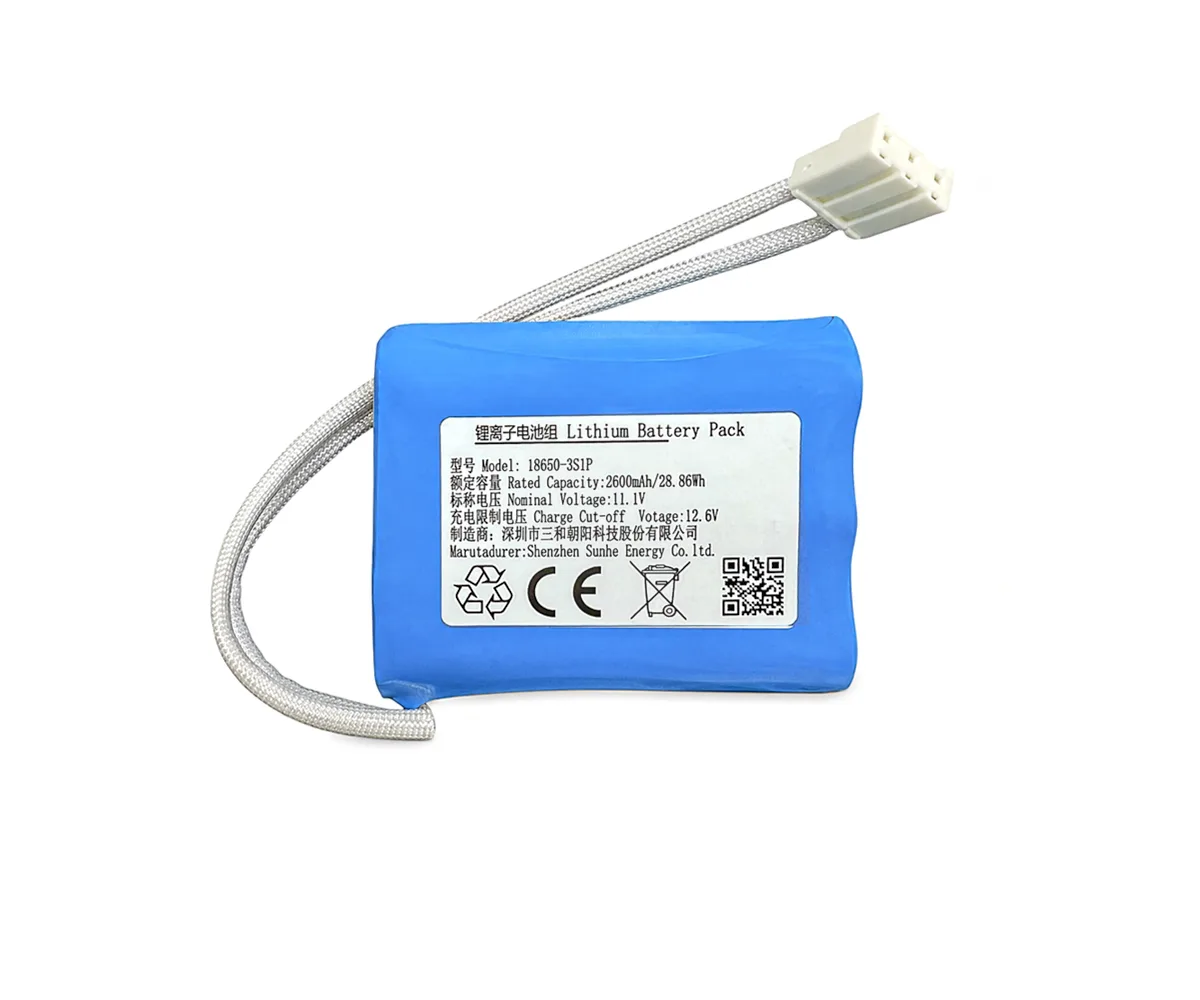

What is the Difference Between Battery Capacity and Energy Density?
Battery capacity, measured in mAh or Ah, describes how much electric charge a cell can store and deliver during a disc…
View Details

Sorted by Latest Published
Battery capacity, measured in mAh or Ah, describes how much electric charge a cell can store and deliver during a disc…
View DetailsA lithium battery's cycle life is the number of full charge-discharge cycles it can complete before its usable capacit…
View DetailsLithium batteries slowly lose charge even when switched off. Proper storage protects capacity and prevents deep discha…
View DetailsYes, most modern lithium cells can be fast-charged, but charging speed is always a trade-off with heat and longevity.…
View DetailsTemperature is one of the strongest influences on a lithium battery's performance. Both hot and cold conditions change…
View DetailsOvercharging means driving a cell past its recommended upper voltage. It is one of the most common and most damaging a…
View DetailsLithium batteries are classified as dangerous goods because of their stored energy, so shipping them — especially by a…
View DetailsCE and UL are two of the most familiar marks on imported batteries, but they answer different questions for different…
View DetailsAn IP (Ingress Protection) rating describes how well an enclosure resists solid objects and water. It is common to see…
View DetailsRate discharge, or C-rate, expresses how fast a battery is charged or discharged relative to its capacity. It is one o…
View DetailsPage 1 of 6 · Total 60 articles