
 The 15th Five-Year Plan for the Development of the New-Type Battery Industry, jointly issued by seven government departments, is the first national-level special plan for the sector. It explicitly calls for "upgrading thin, lightweight and flexible batteries for consumer electronics, and developing high-safety lithium batteries for consumer electronics." For us at SUNHE, this is both policy guidance and confirmation of our chosen track.
As a drafter of smart wearable lithium battery standards in Guangdong Province, we have devoted more than a decade to customized lithium battery solutions, with products covering smart wearables, Bluetooth devices, medical products and robotics, among other diverse scenarios. Our 2024 annual report shows that cylindrical lithium batteries accounted for 55.45% of revenue, while pouch lithium batteries accounted for 44.55%, with both product lines contributing in a balanced way. Our core strength lies not in scale, but in customization—different customers have vastly different requirements for battery size, capacity and safety, and that is exactly where our value lies.
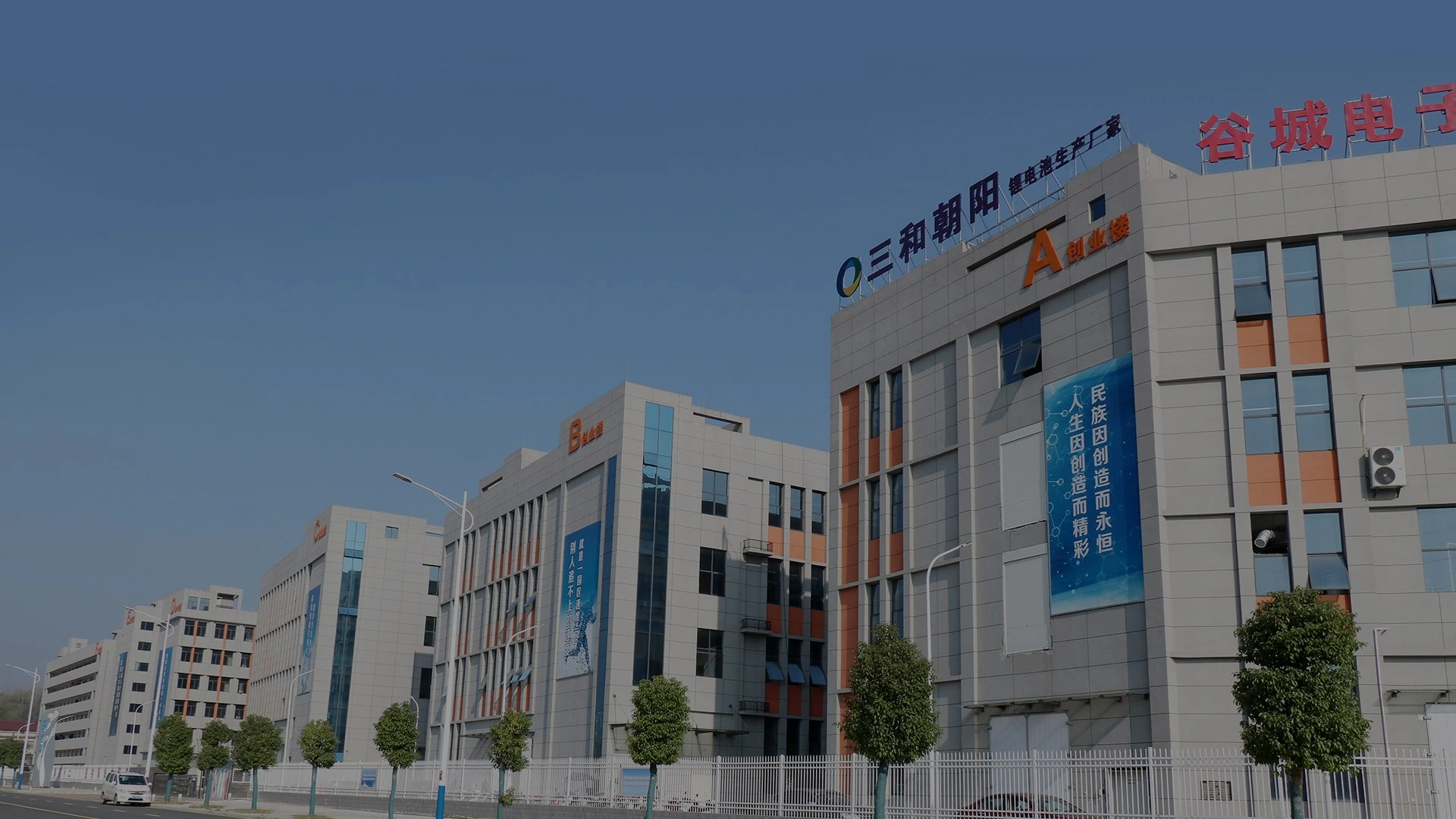
Frankly speaking, we are under considerable operating pressure at present. Fluctuations in raw material prices and intensifying price competition among downstream customers are both squeezing profit margins. But that is precisely why the company has chosen to channel resources into R&D and into capacity construction at its Xiangyang subsidiary, reducing costs while enhancing product competitiveness.
The plan requires that by 2030, leading enterprises achieve a product defect rate at the PPB level—only a handful of defective units allowed per billion products. This sets higher demands for quality control among consumer lithium battery manufacturers. SUNHE's approach is clear: focus on high-safety-sensitive fields, go deep into customized solutions, and build irreplaceability in a segmented market.
The industry is upgrading, and so are we.