
What Are the Pros and Cons of Semi-Solid Batteries and Where Do They Fit?
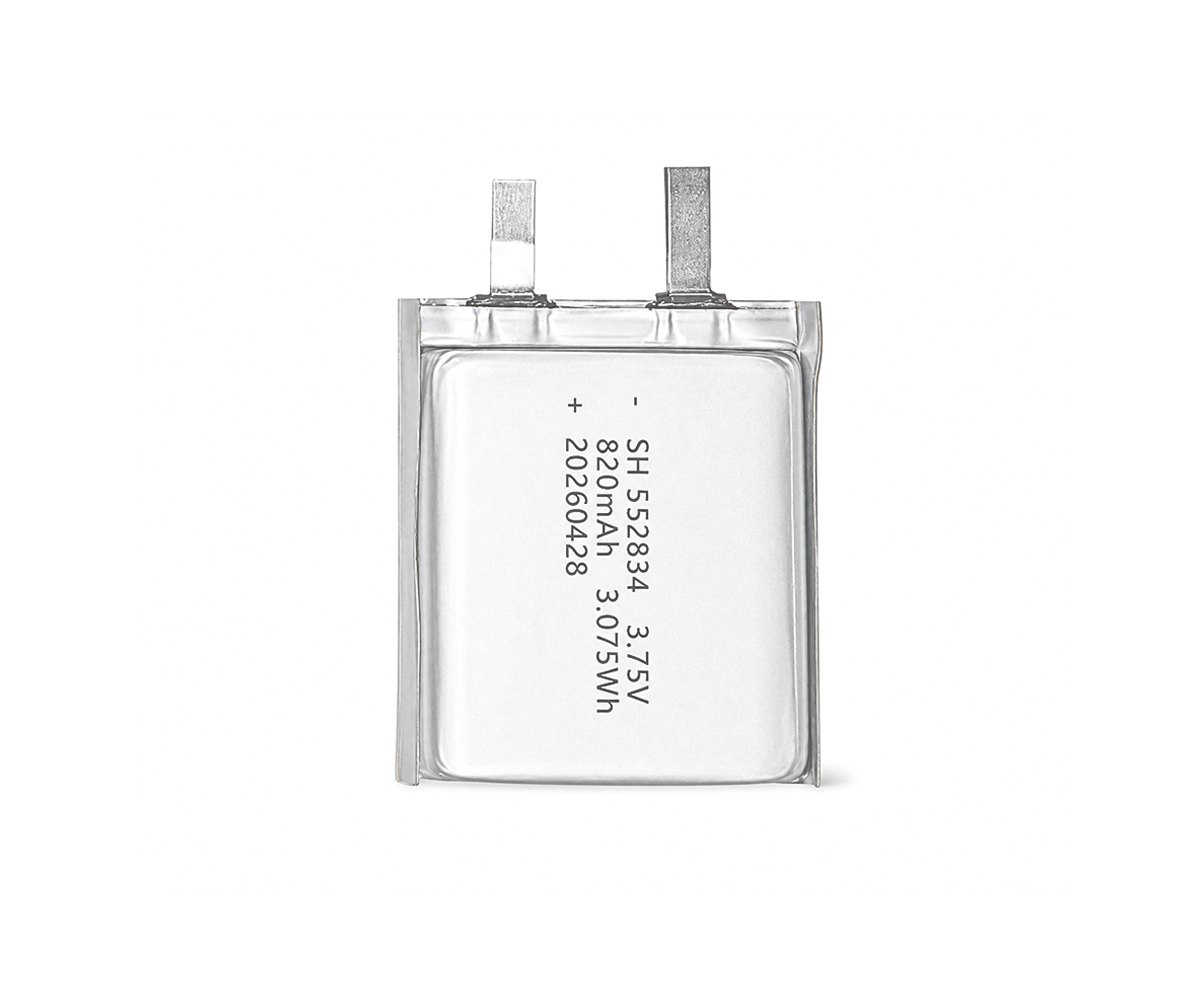
Semi-solid lithium batteries sit between conventional liquid electrolyte cells and fully solid-state designs. They typically offer higher energy density than standard polymer cells, supporting thinner, lighter devices with longer runtime, while using a gel-like electrolyte that improves safety versus liquid chemistry and reduces leakage risk.
The Advantages
The main benefit is more energy per volume and per weight, which is valuable where space is tight. The semi-solid structure also tends to be more stable thermally, which designers value in compact consumer products.
Trade-Offs and Typical Applications
On the downside, semi-solid cells are more expensive, and their high-rate discharge and low-temperature performance can be more limited than proven liquid designs. They are best suited to slim, high-capacity consumer products such as premium wearables, smart glasses and thin IoT devices where energy per volume is the priority. For high-power or extreme-temperature applications, a conventional high-rate chemistry may still be the better fit, and feasibility is confirmed per project with samples. Designers typically reserve semi-solid cells for applications where the extra energy per cubic centimeter justifies the premium, rather than for general-purpose use.