
What Happens During Overcharging and What Role Does a Protection Board Play?
Overcharging means driving a cell past its recommended upper voltage. It is one of the most common and most damaging abuse conditions, and it is entirely preventable with proper charge management.
What Overcharging Does
Once the cathode is fully saturated, extra charge energy cannot be stored safely. Lithium ions are likely to plate as metal on the anode, the electrolyte decomposes and gas is generated. The cell heats up, may swell, and in severe cases can enter thermal runaway.
The Protection Board
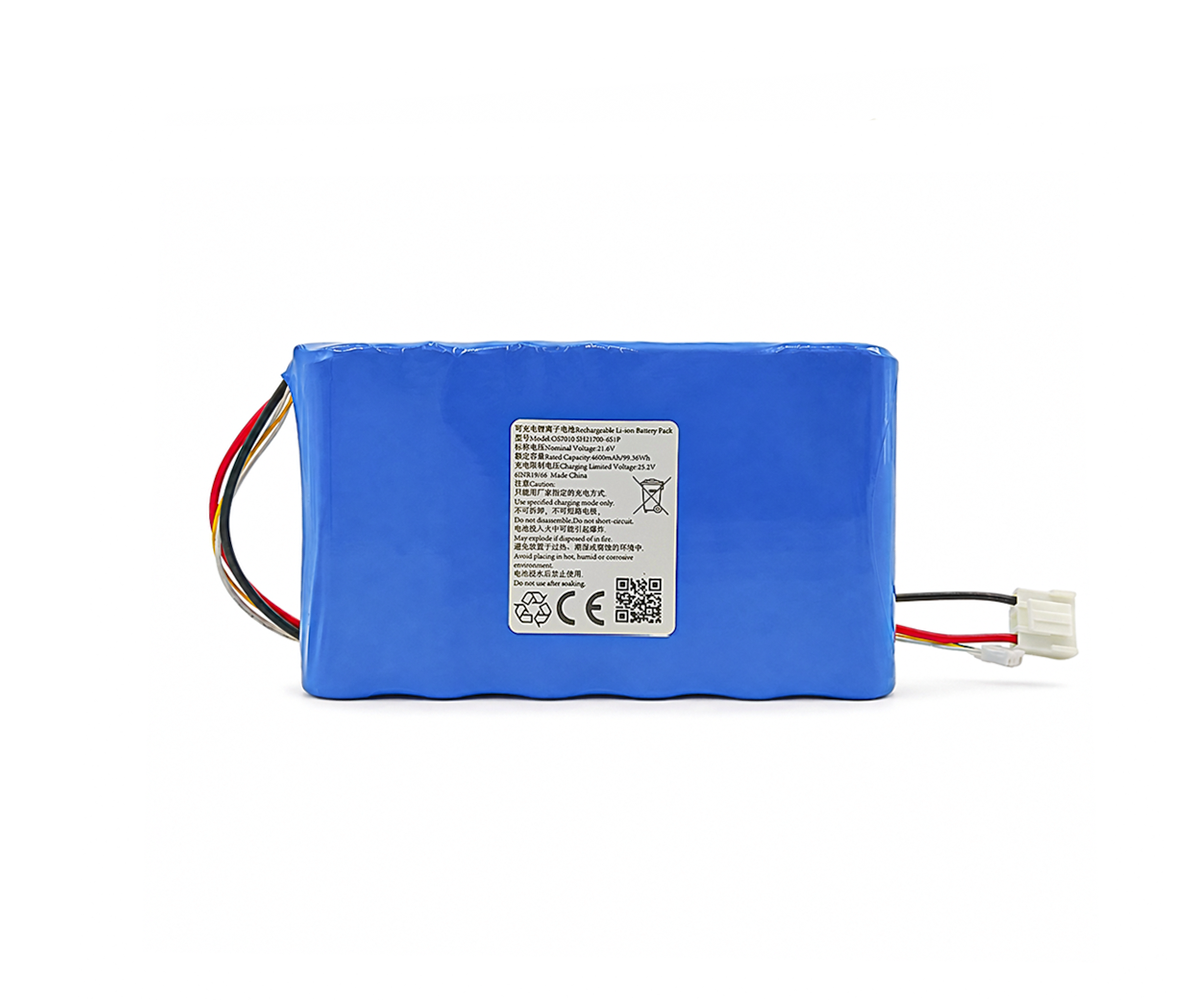
A protection board (PCM) or battery management system (BMS) continuously monitors each cell's voltage. When any cell reaches the over-charge threshold, it cuts off the charger; it also protects against over-discharge, over-current and short circuit.
Matched Charging Matters
A charger whose voltage and current match the pack specification is as important as the board itself. A mismatched or low-quality charger can push the system past safe limits.
Never rely on a single protection device: the charger, the protection board and the mechanical enclosure all work together, and bypassing any one of them removes a layer of safety.