Lithium vs NiMH vs Lead-Acid: What Are the Key Differences?
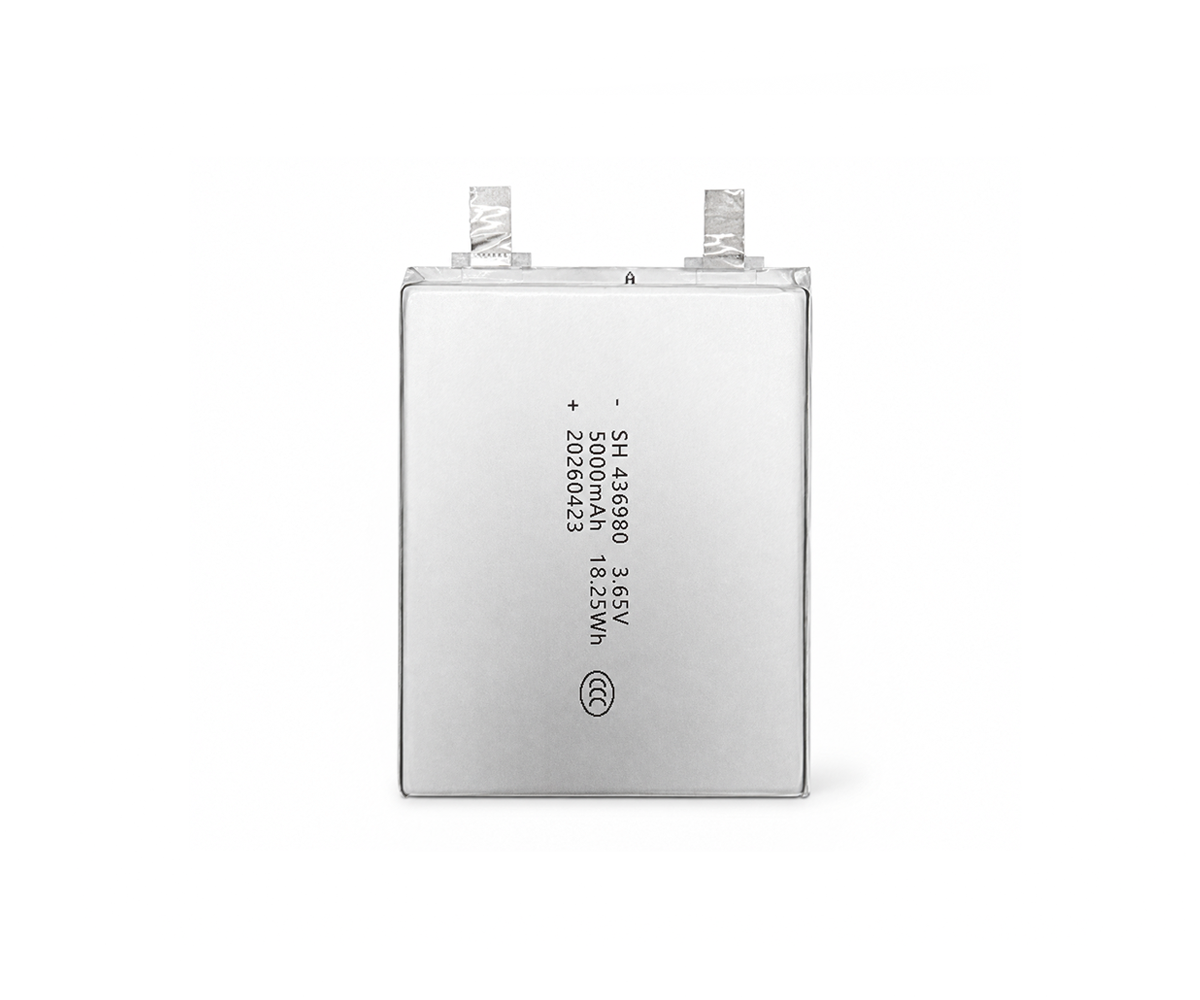
Lithium-ion batteries deliver far higher energy density than nickel-metal hydride or lead-acid, meaning more runtime in less weight and volume. This is why slim wearable, portable and drone devices almost always choose lithium chemistry. NiMH remains tolerant and low-cost in some consumer niches, while lead-acid stays common in stationary and cost-sensitive uses.
Self-Discharge, Memory and Care
Lead-acid and NiMH self-discharge more readily, and older NiMH is associated with a memory effect. Modern lithium cells have effectively no memory effect and need no full discharge cycles. Lithium also tolerates partial charging far better, but it requires a protection circuit and certified charging, whereas lead-acid is more forgiving by comparison.
Cost and Fit
Cost-wise, lead-acid is cheapest up front, while lithium carries a higher initial price but longer service life and far lower weight. Lead-acid also tolerates deep discharges more forgivingly but is heavy and requires acid handling, while NiMH is a middle ground that avoids lithium's protection requirements yet offers lower energy density. Choose the chemistry by runtime, space, weight and total cost of ownership for the specific application.