

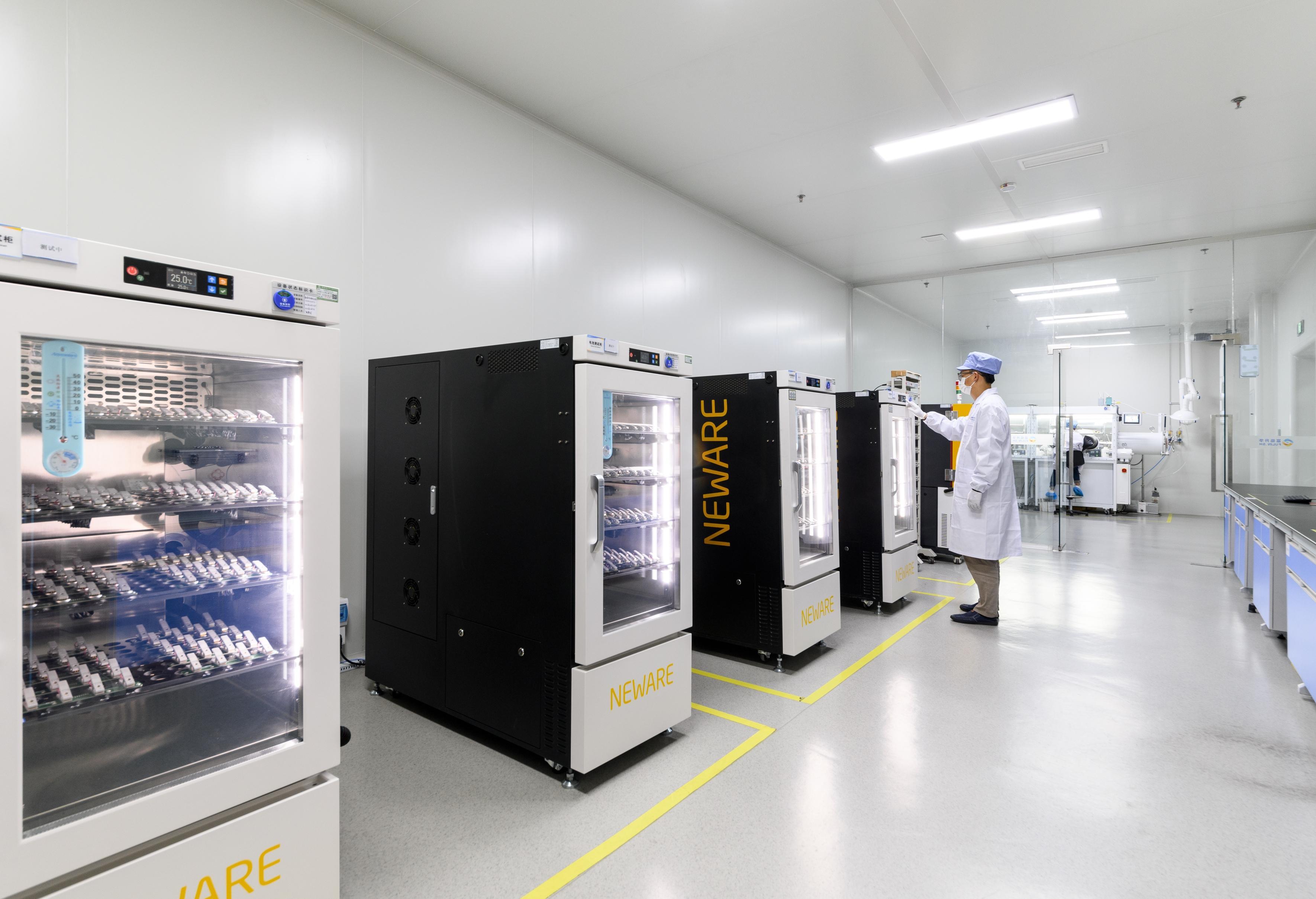
Wide-temperature lithium cells are built to operate across roughly minus 40 to plus 80 degrees Celsius, where ordinary packs lose capacity quickly or stop working.
What Scenarios Suit Wide-Temperature Batteries (-40 to +80°C)?
Where They Add Value
Standard lithium cells struggle below about minus 20 and above 60 degrees Celsius, losing capacity and life rapidly. A wide-temperature formulation and modified construction open up environments where conventional batteries fail, without always needing heavy heaters.
Typical Applications
Outdoor IoT and metering gear faces winter cold and summer heat, automotive and aftermarket locations experience cabin and under-bonnet warmth, and military, field, oil and gas sensing and cold-chain logistics demand dependable operation across seasons. Outdoor surveillance and aerospace-adjacent devices also benefit.

Note that even wide-temperature cells deliver reduced capacity at the coldest end and age faster at the hottest end. Preheating and thermal management help, and charge limits may differ between hot and cold ranges. Discharging at low temperature is usually more forgiving than charging, and charging below freezing can trigger lithium plating, so a conservative charge window is often programmed. Define your actual temperature profile, currents and duty cycle during project evaluation so the chemistry is selected correctly.