

Pouch, Steel-Can and Aluminum-Can Cells: What Are Their Characteristics?
The outer package of a lithium cell is not just housing; it determines weight, safety behavior, cooling and the shapes you can build. The three main formats are pouch (aluminum laminate film), steel-can and aluminum-can.
Pouch cells
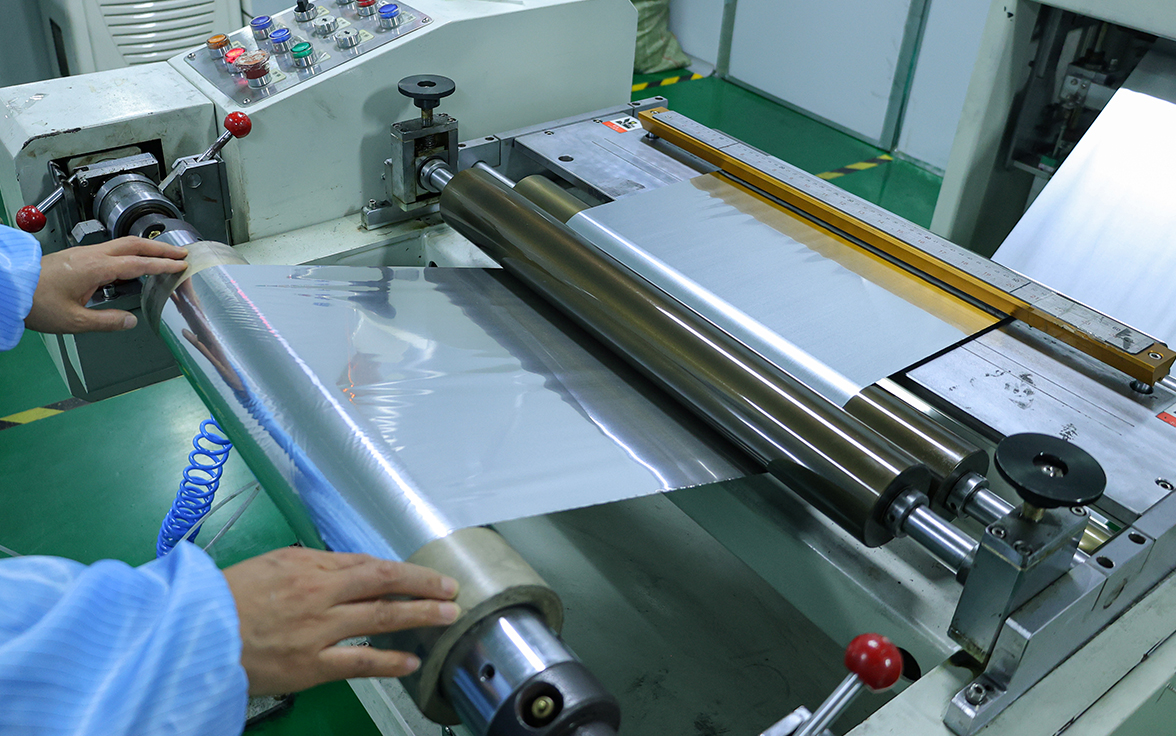
Wrapped in a flexible aluminum-plastic film, pouch cells are the lightest and thinnest, can be made in custom and curved shapes, and offer high volumetric efficiency. The trade-off is that they can swell as they age and require a constraining frame inside a pack.
Steel-can and aluminum-can cells
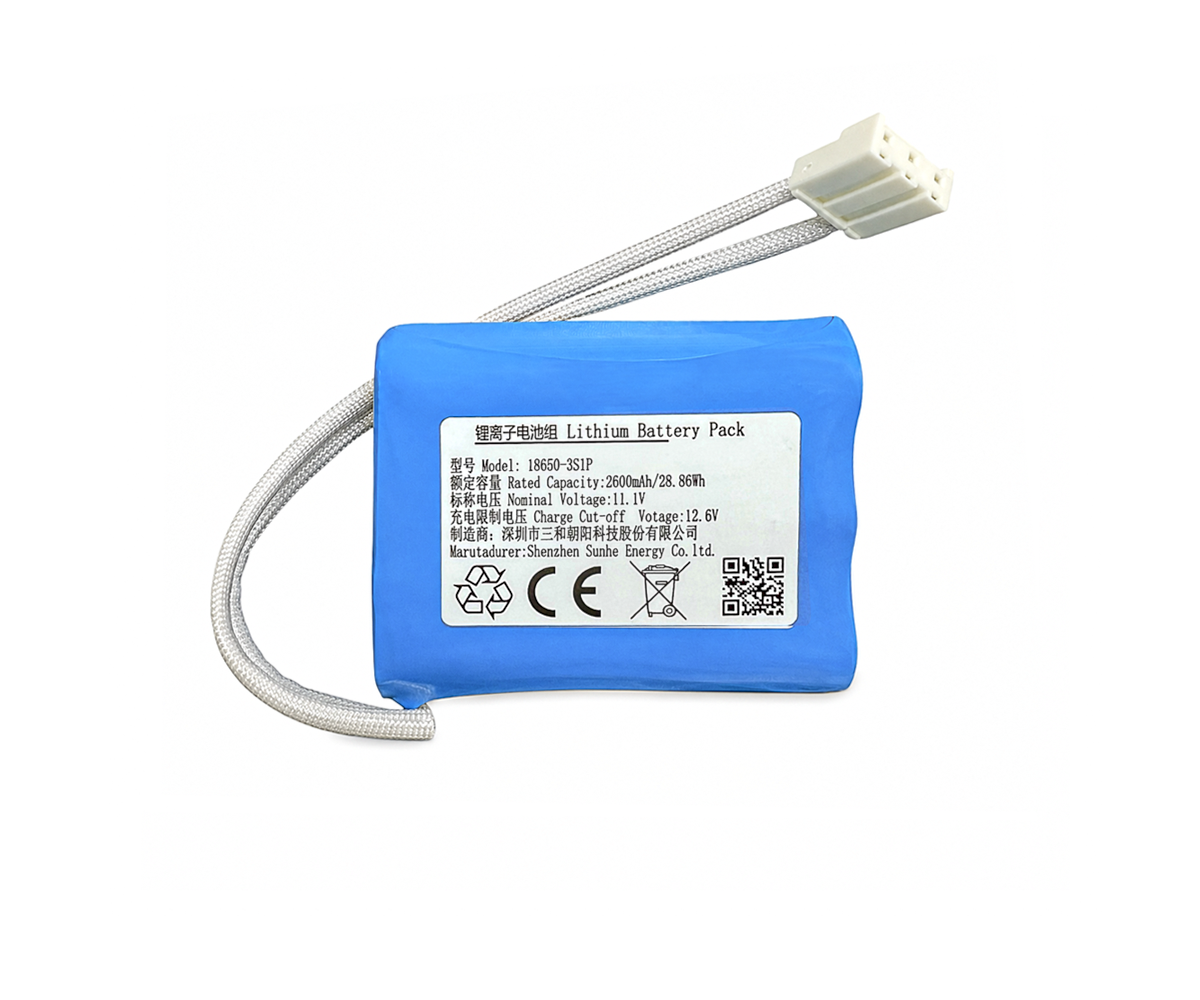
Rigid metal cans, such as the familiar steel cylindrical 18650 and 21700, provide strong mechanical protection, excellent thermal conductivity and a mature, low-cost supply chain. Aluminum cans save weight compared with steel and are common in prismatic designs. They are stiffer but heavier and less shape-flexible than pouch.
Choosing between them
Thin, light and shaped products favor pouch; high-rate, durable and cost-sensitive packs favor cylindrical steel cells; prismatic aluminum suits space-constrained stationary or vehicle modules. The best choice depends on volume, cooling, crash safety and budget, not energy density alone.