

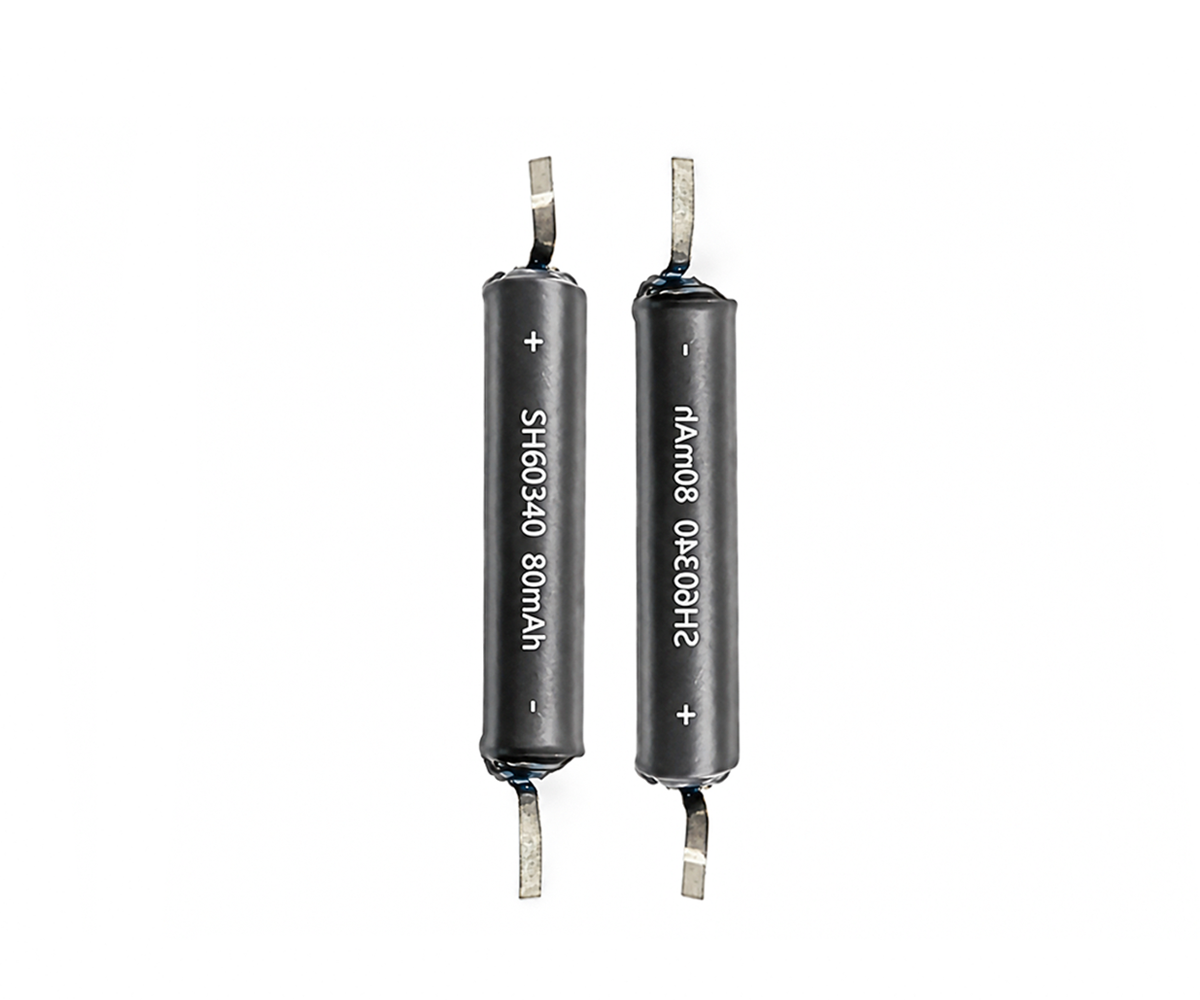
Are High-Voltage Batteries (4.45V/4.53V) Safe?
High-voltage lithium cells, often called LiHv and charged to 4.45 V, 4.50 V or 4.53 V per cell, can be safe when they are designed and operated as a matched system. They are not simply ordinary cells charged to a higher voltage.
Why they need special design
Raising the charge voltage stores more energy in the same cell, but it also stresses the electrode and electrolyte. Reliable high-voltage cells use high-voltage-tolerant electrolytes, stabilized cathode materials and careful formation and aging to control gas generation and leakage current.
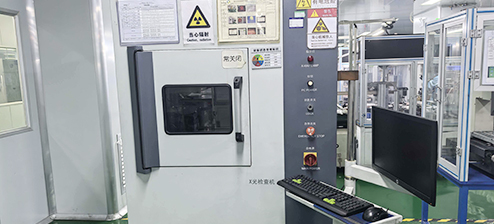
The charger and protection must match
A high-voltage cell must never be charged with a charger set to a standard 4.2 V limit, and a standard cell must never be pushed to 4.5 V. The protection board cut-off voltage, the charger termination voltage and the cell specification must all agree. Using the wrong charger is the main cause of failure.
Practical guidance
For custom devices, specify the target voltage from the start so the cell, protection board and charger are co-designed. When sourced from a qualified manufacturer with cycle and safety testing, high-voltage cells are a proven way to gain runtime without growing the pack size.