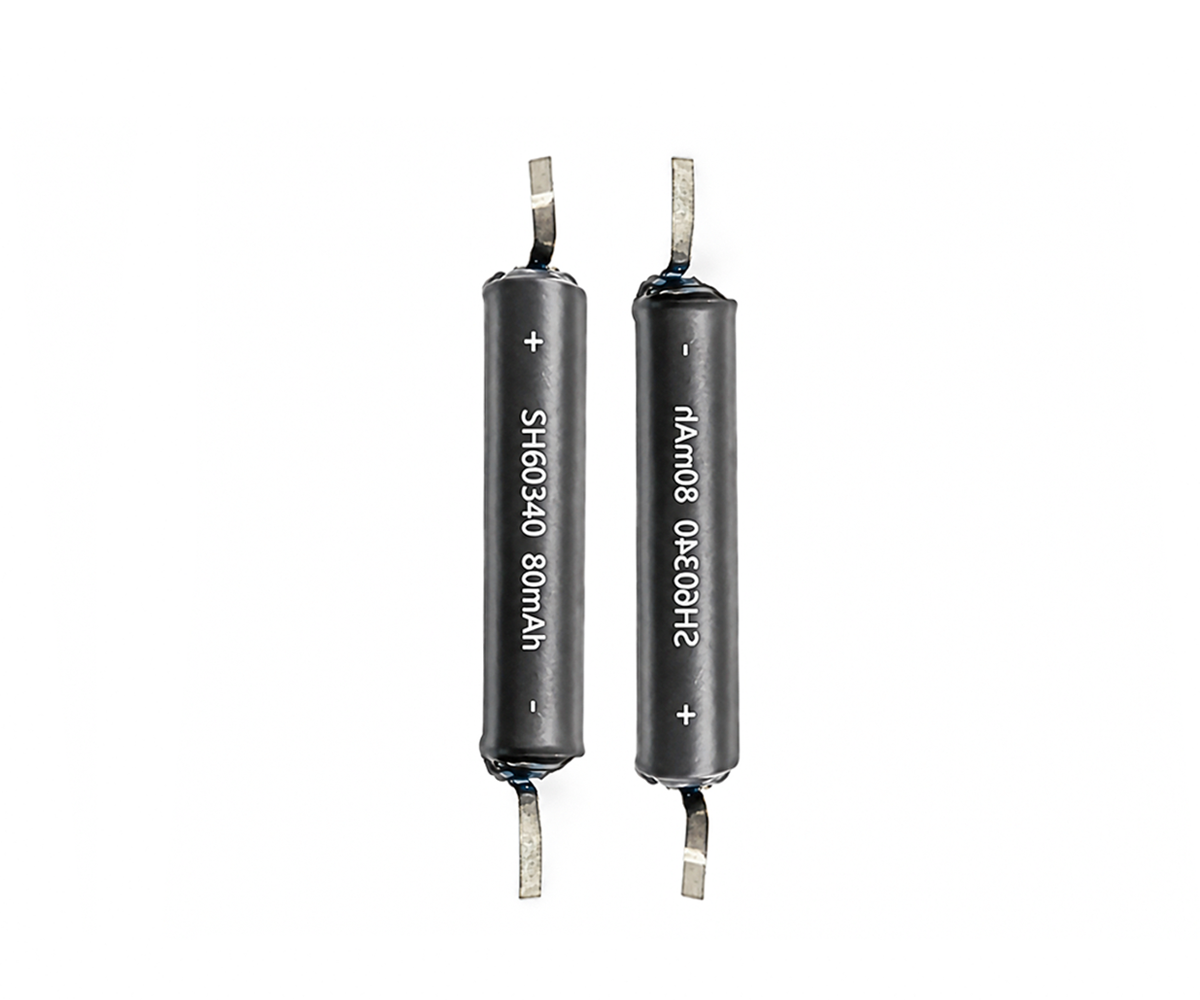

Do New Batteries Need to Be Fully Charged and Discharged Three Times?
This advice comes from the nickel-cadmium era. Modern lithium-ion and polymer lithium batteries do not have a memory effect, so there is no need to fully cycle a new unit three times to activate it.
Why the old advice no longer applies
Nickel-based batteries suffered from a memory effect that could make them appear to lose capacity after partial cycling, which is why full charge-discharge routines were once recommended. Lithium cells behave differently: their capacity is determined by electrode chemistry, not by an initial conditioning ritual. Repeated deep discharges actually stress them.

What should you do instead?
Simply charge your new battery to the level recommended by the device maker and use it normally. For long life, avoid leaving the pack fully depleted for long periods and avoid sustained extreme temperatures. Think of it as a consumable that is gently cared for, not a device that needs breaking in.
If you want a useful check after the first charge, run one normal discharge-and-recharge cycle to confirm the device reports capacity as expected, then continue ordinary use. There is no benefit to forcing the battery to empty repeatedly, and doing so can actually shorten its calendar life.