How Do I Choose Between Polymer and Cylindrical Batteries?
Polymer pouch cells and cylindrical cells are the two most common form factors, and choosing between them is mainly a question of shape freedom, power needs and cost.
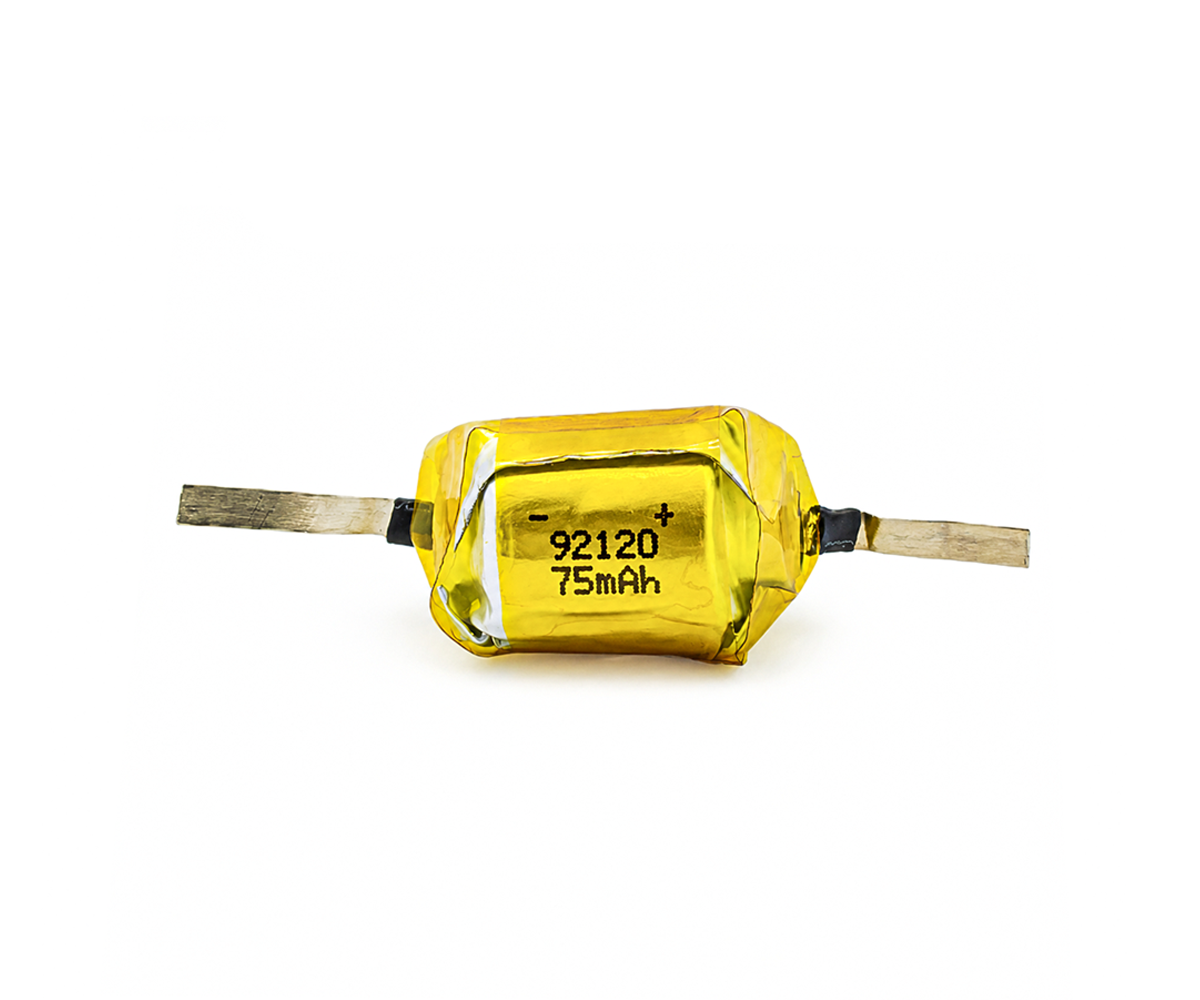
Polymer pouch cells
Pouch cells use a soft aluminum-laminated film, so they can be made thin, flat, shaped or curved to fill awkward internal spaces. They are the default choice for wearables, earphones, smart cards and slim consumer devices where space is irregular. Their packaging is less rigid, so mechanical protection and pack structure matter.
Cylindrical cells
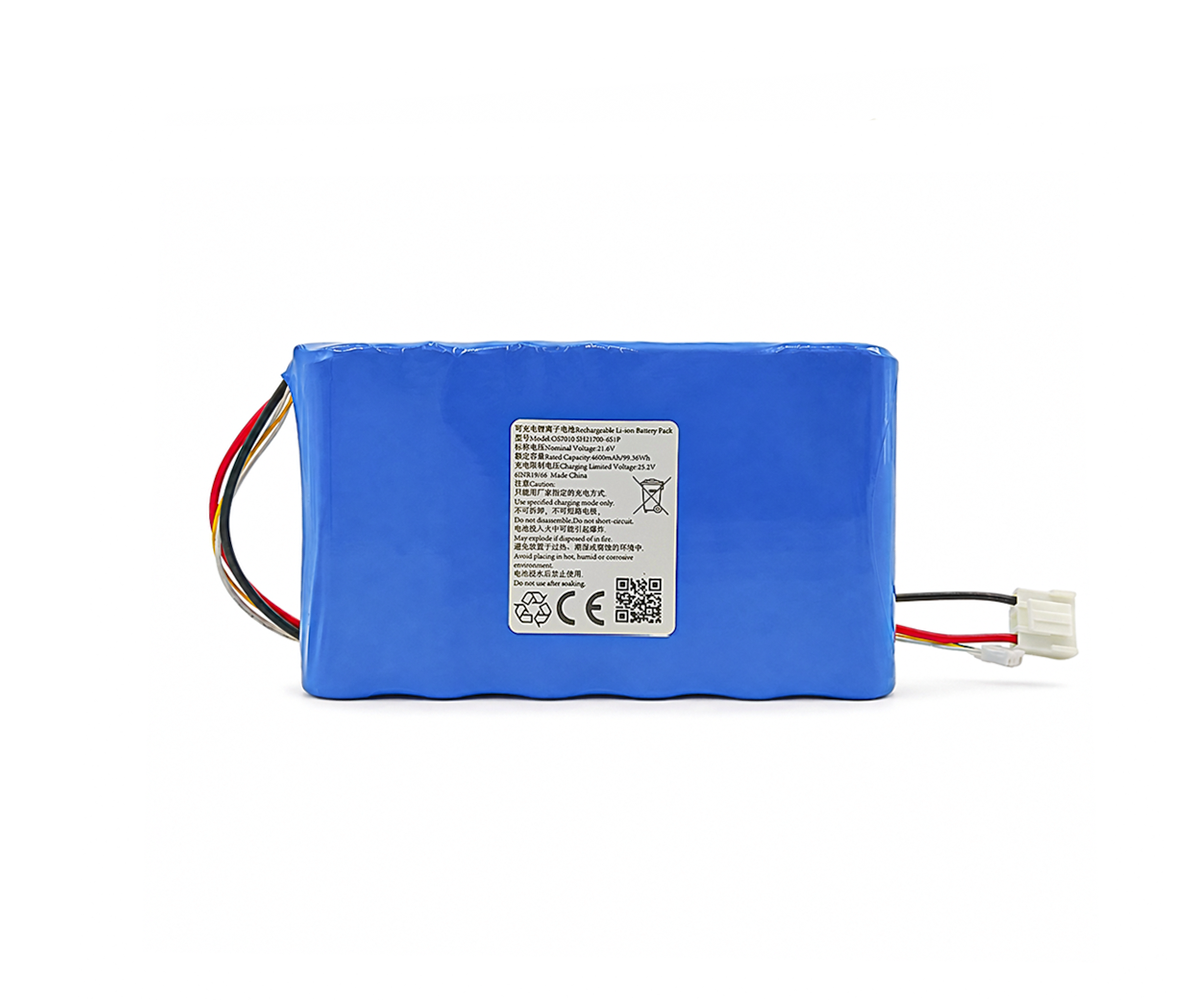
Cylindrical cells (such as 18650 and 21700) come in fixed diameters and heights but offer strong consistency, good thermal behavior and high-rate discharge. They are preferred for power tools, e-bikes and packs where ruggedness and standardized supply outweigh shape flexibility. Your decision should weigh available space geometry against required discharge current, cooling and cost targets.
A quick decision rule is: if your enclosure has irregular, thin or curved space and only modest current is needed, choose polymer; if you need sustained high power, easy serviceability and proven supply at lower cost, choose cylindrical. Many products actually combine both, using a slim pouch where space is tight and cylindrical cells where power is demanded.