What Is the Difference Between Semi-Solid and Liquid Batteries?
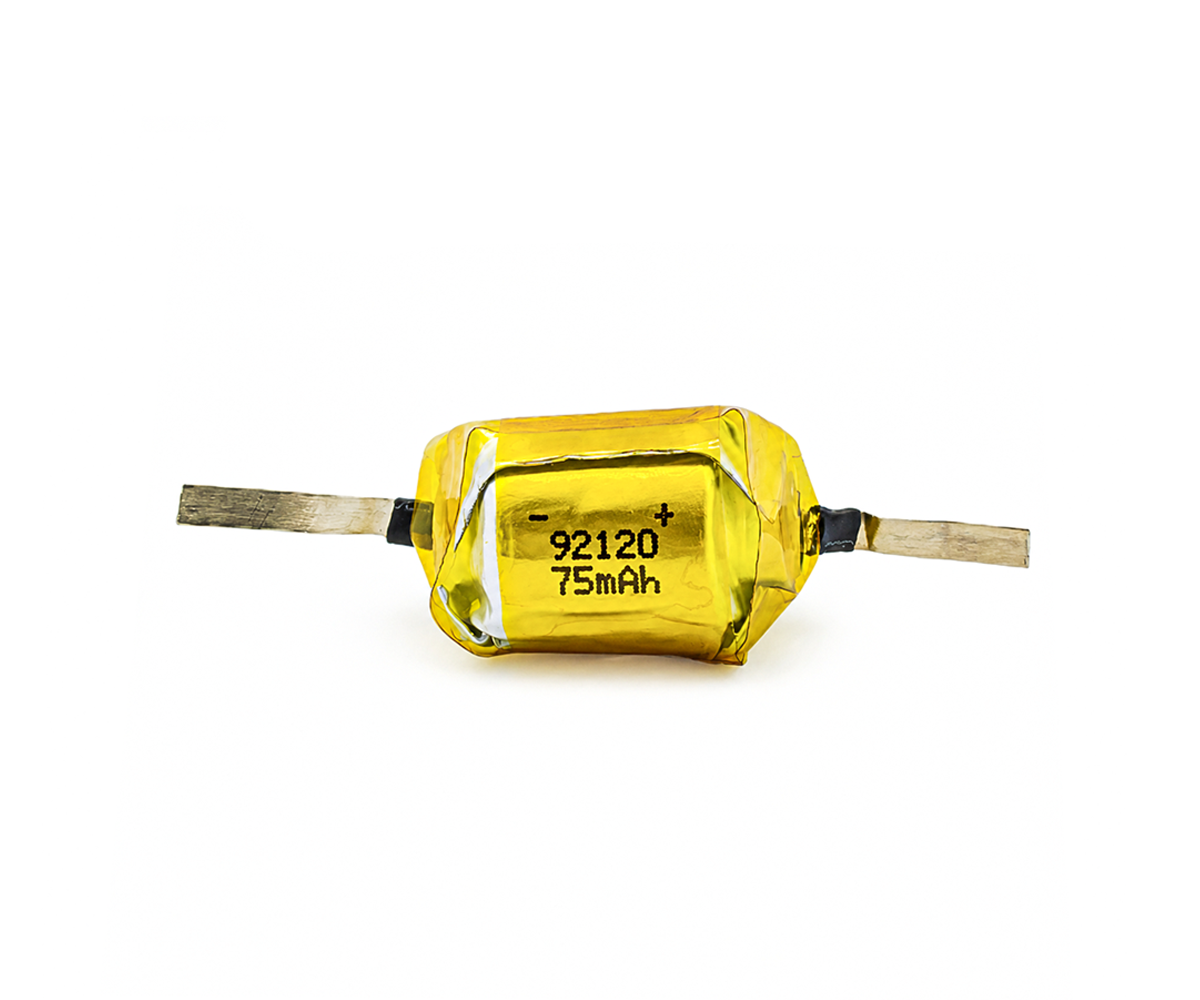
Semi-solid has become a familiar term in high-energy consumer batteries, but it is often confused with fully solid-state cells. The practical difference comes down to the form of the electrolyte.
How do they differ?
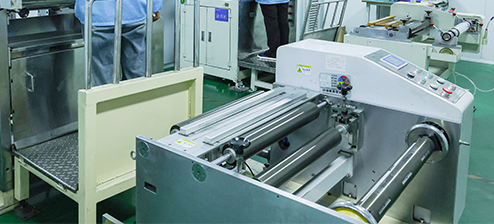
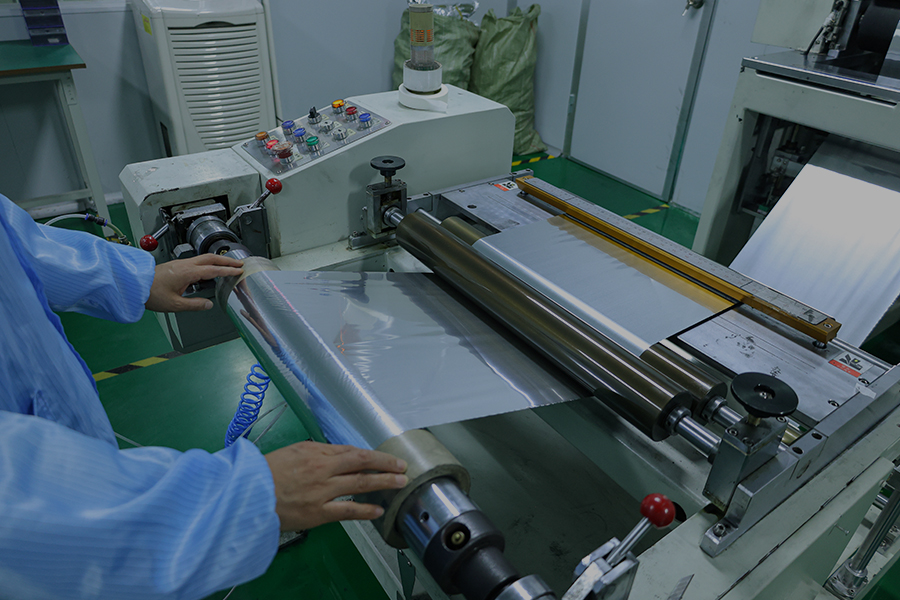
Conventional lithium-ion cells use a liquid electrolyte soaked into a separator. A semi-solid cell uses a higher-viscosity, gel-like electrolyte and a more compact, dry-style assembly process. This reduces the amount of free liquid, which lowers leakage risk and allows a higher packing density.
What are the trade-offs?
Semi-solid designs can deliver higher energy density in slimmer form factors, which is why they appear in thin wearable and premium consumer devices. They are not, however, the same as solid-state technology, which still uses a fully solid electrolyte and remains in later development stages. For most customers, the choice comes down to whether the target energy density and slim shape justify the semi-solid chemistry within your cost and cycle-life expectations.
In daily terms, if your goal is maximum runtime in a very thin or wearable device, a semi-solid option is worth evaluating; if cost, maturity and maximum cycle life matter most, a well-proven liquid system remains the more pragmatic choice.