
What Is the Custom Battery Process and Typical Lead Time?
A custom battery is not ordered like a catalog item; it follows a structured development flow. Understanding the stages helps you plan your product launch realistically.
From requirements to samples
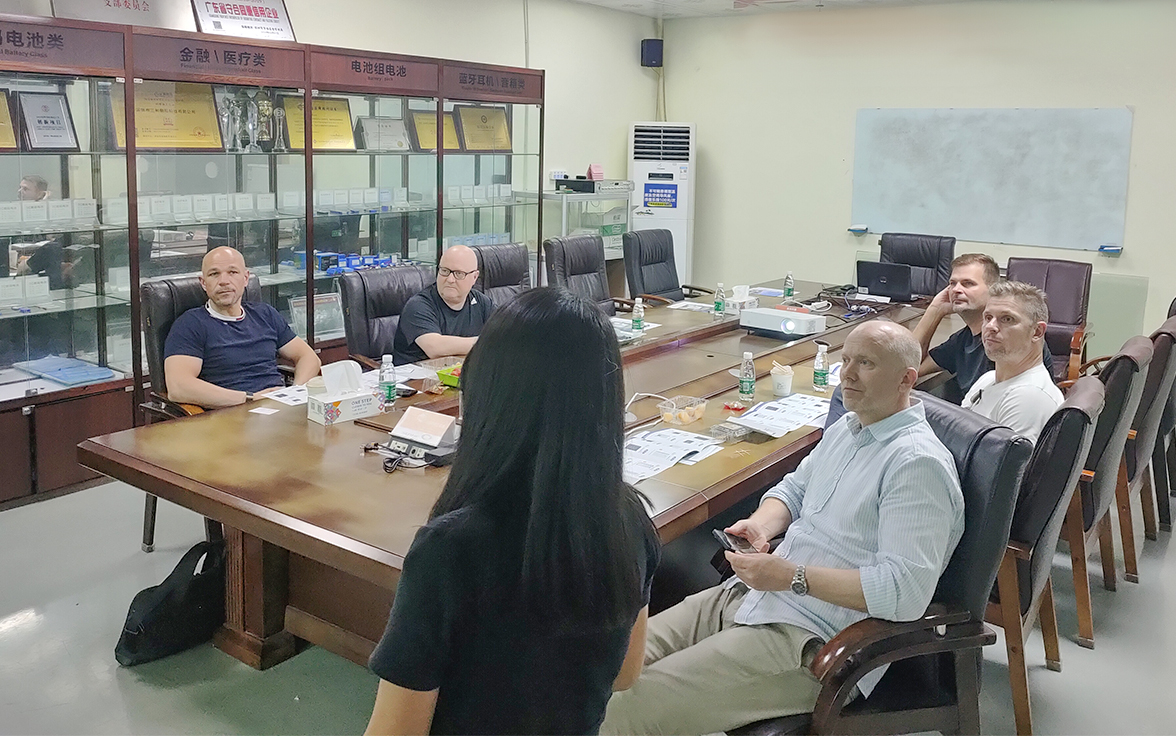
The process usually begins with a technical discussion covering dimensions, capacity, voltage, discharge rate, operating temperature, connector and certification needs. The supplier then proposes a cell-and-pack scheme. Once approved, prototypes are built and tested for capacity, internal resistance, cycle behavior and basic safety checks.
From validation to mass delivery
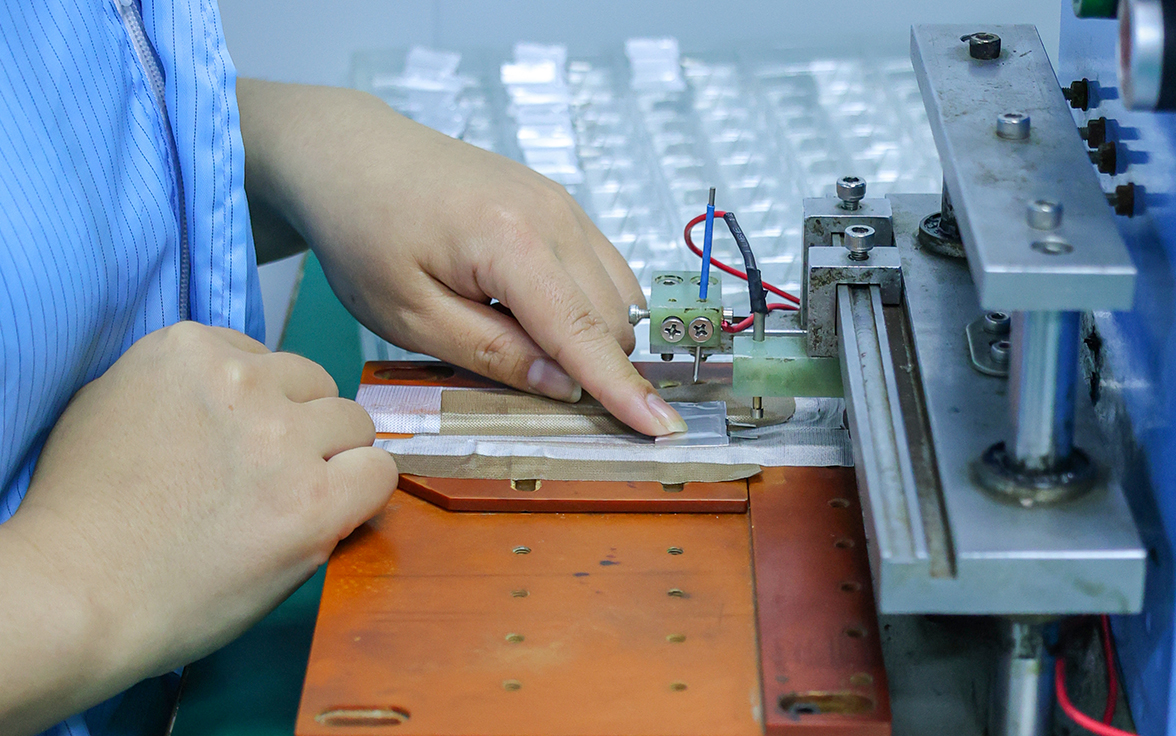
After samples are confirmed, tooling and production fixtures are finalized, and a pilot run verifies consistency before full production. Lead times vary with design complexity, certification workload and material availability, so they are typically quoted per project rather than as a fixed table. Sharing detailed requirements early is the single best way to shorten the overall timeline.
A practical mental model is to treat the project in gates: specification freeze, prototype approval, pilot verification and mass shipment. Each gate reduces the risk of costly rework, and clear communication at each step is what keeps the schedule predictable instead of open-ended.