

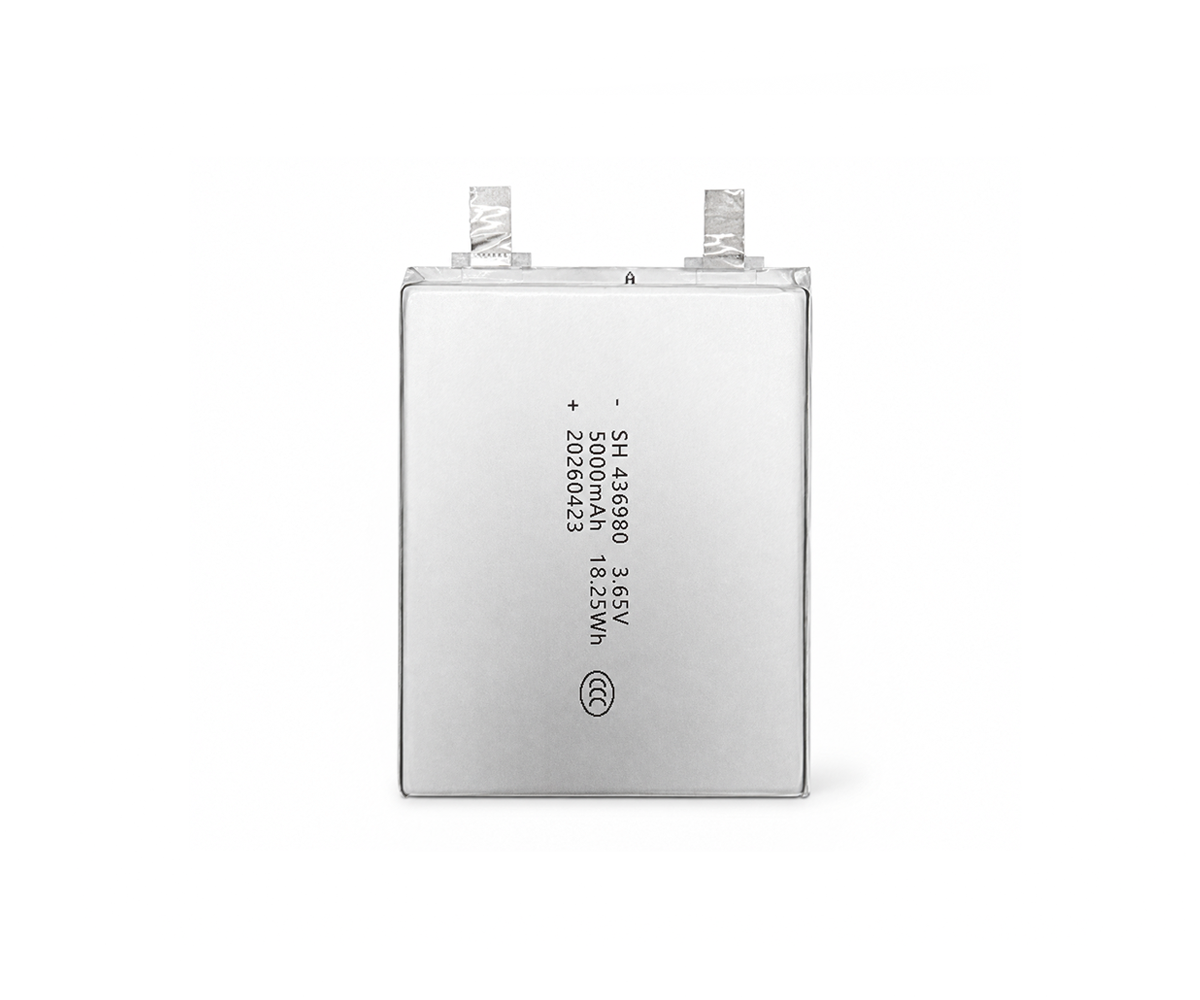
A battery pack performs best when all its cells are closely matched, so mixing new and old cells is generally not recommended.
Can New and Old Batteries Be Mixed? What About Mixing Cells in Series?
Why Mixing Is Risky
Cells in a pack should share similar capacity, internal resistance and age. Mixing new and used cells creates mismatch, and the weakest cell limits the whole pack. In a series string every cell carries the same current, but a lower-capacity cell depletes first and can be over-discharged, while a stronger cell may be overcharged.
Practical Consequences
Capacity mismatch cuts usable runtime and accelerates aging. Differences in internal resistance cause uneven heating, and repeated over-discharge of weak cells raises safety concerns. Even mixing cells of the same model from different production batches can introduce inconsistency.


For reliable packs, use cells from the same batch, matched by capacity and internal resistance, and rely on a proper protection board or BMS. If one cell in a multi-cell pack fails, replace the whole set rather than adding a single new cell. Matching and pack design are handled during project evaluation.