


Battery capacity is verified under controlled conditions, and a small gap between the nameplate figure and your measured result is normal once test conditions are considered.
How Is Battery Capacity Tested and Why Is Actual Capacity Lower?
How Capacity Is Measured
The cell is fully charged, rested, then discharged at a constant current, often 0.2C, down to its cut-off voltage. Delivered capacity in mAh equals discharge current multiplied by time. Repeating the cycle several times gives a stable rated value that can be compared with the nameplate.
Why Measured Capacity Can Look Lower
Temperature matters: cold raises internal resistance and lowers measured capacity. A high discharge current also reduces usable capacity because more energy becomes heat and voltage drops earlier. As cells age, active material degrades and resistance rises, so capacity fades gradually. Charging cut-off settings, contact resistance and resting time all affect the result too.

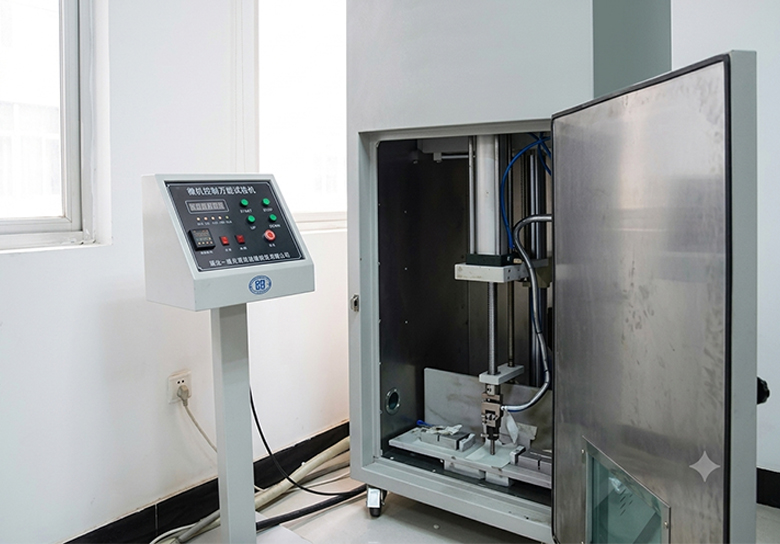
Always compare capacity under identical conditions, using the same current, temperature and cut-off voltage. A modest shortfall at room temperature is normal, but a large difference suggests a defect or an unsuitable test method. Acceptance tolerances are defined per project.