

The C-rate describes how quickly a battery is charged or discharged relative to its rated capacity, and choosing the right one balances runtime against power and heat.
What Do 1C, 2C and 5C Discharge Mean and How Do I Choose a Rate?
Understanding the C-Rate
A 1C current drains a fully rated 1000 mAh cell in one hour, which equals 1000 mA. At 2C the same cell empties in 30 minutes at 2000 mA, and at 5C it empties in 12 minutes at 5000 mA. In short, the discharge current in amps equals the C-rate multiplied by the rated capacity in amp-hours.
Pick the Rate by Application
Energy-type devices such as wearables and sensors prioritize runtime and run comfortably at 0.2C to 1C. Power-type applications like drones, power tools and high-drain packs need 2C, 5C or even higher, and require cells designed for that duty. Higher rates produce more heat, slightly reduce usable capacity and can shorten cycle life if overused.
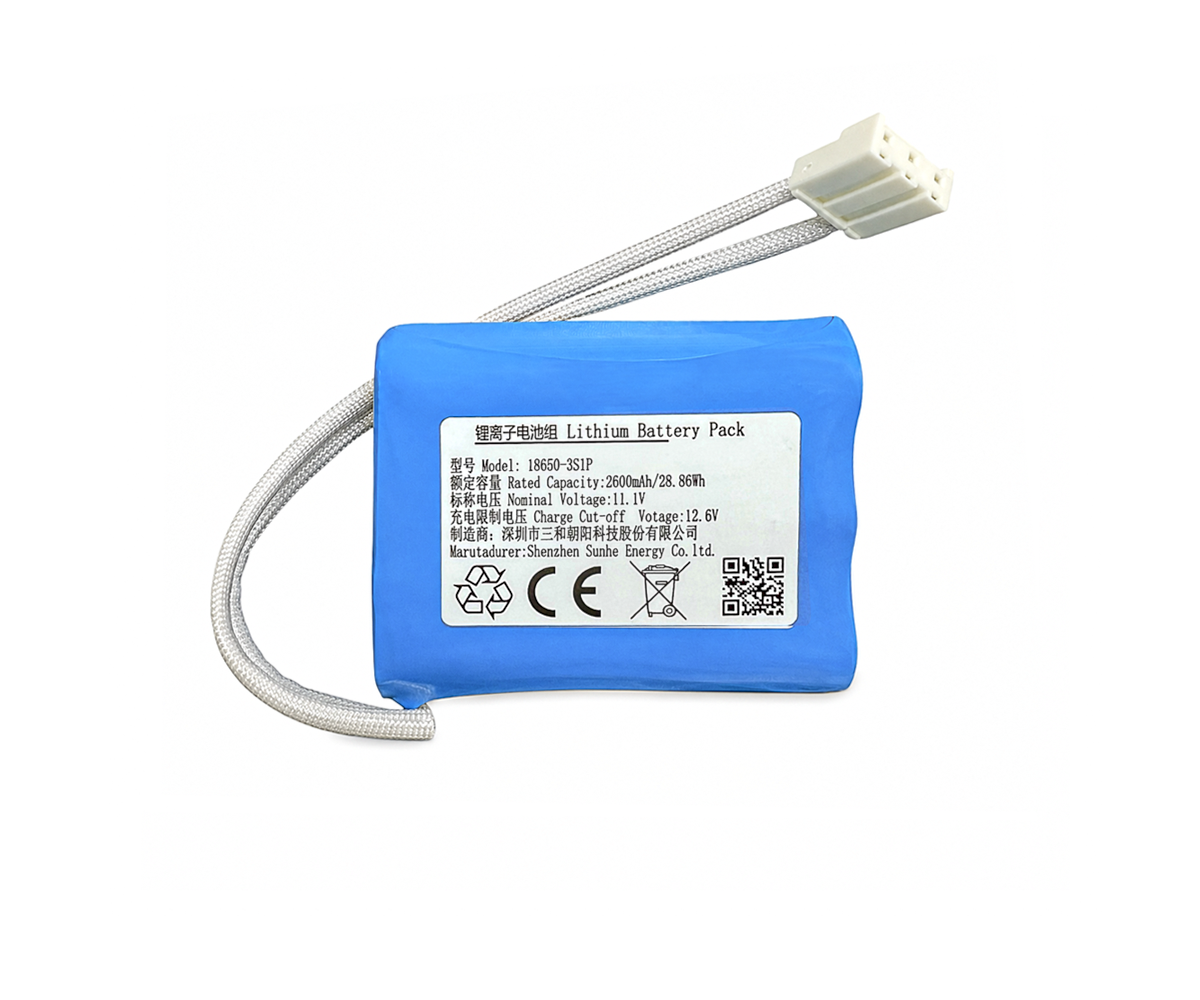
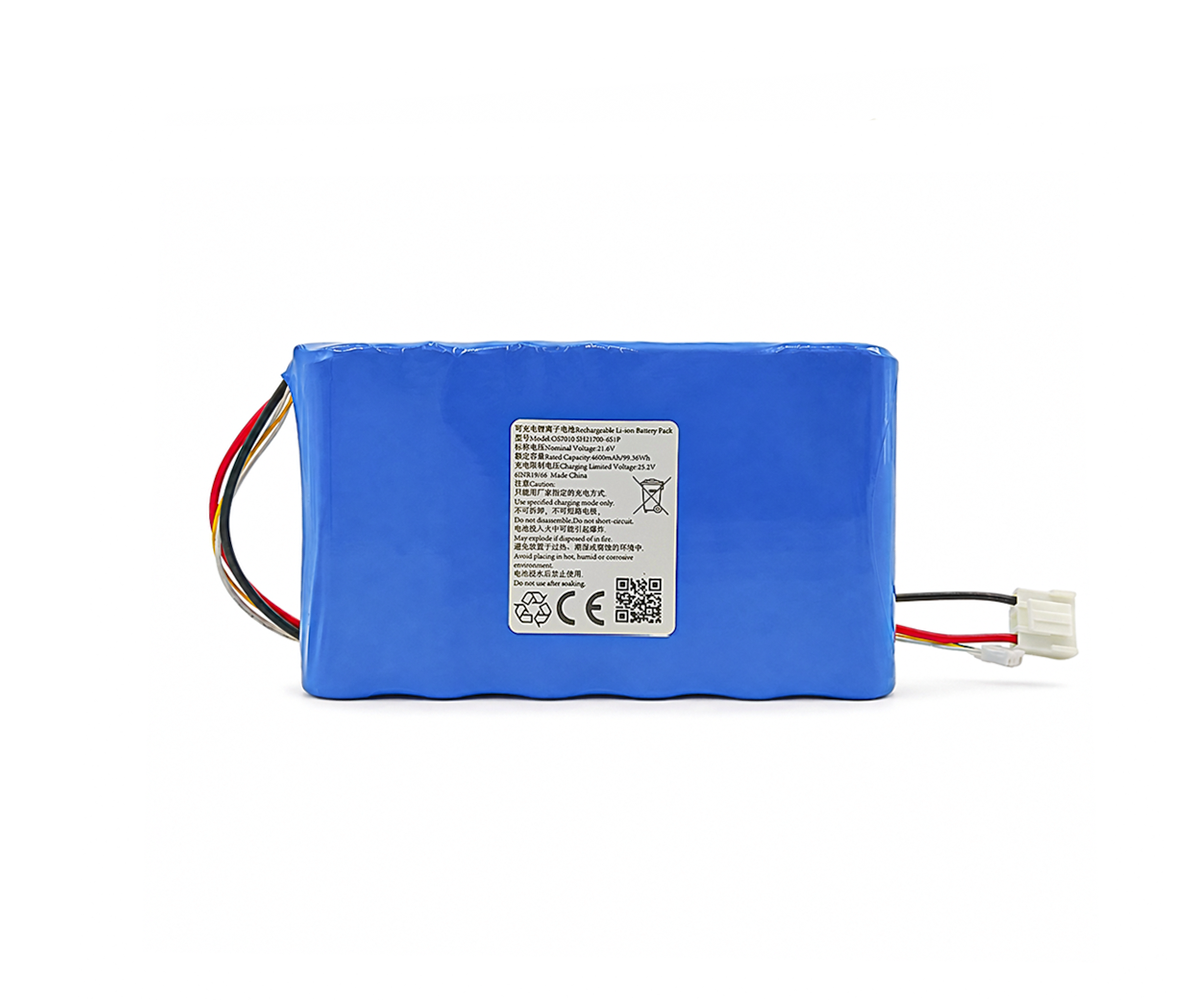
When selecting a battery, match the continuous and peak current your product draws, not just the capacity. A high-rate cell usually costs more and has marginally lower energy density, so balancing runtime against power is key. Confirm your required discharge rate and peak currents during project evaluation.