

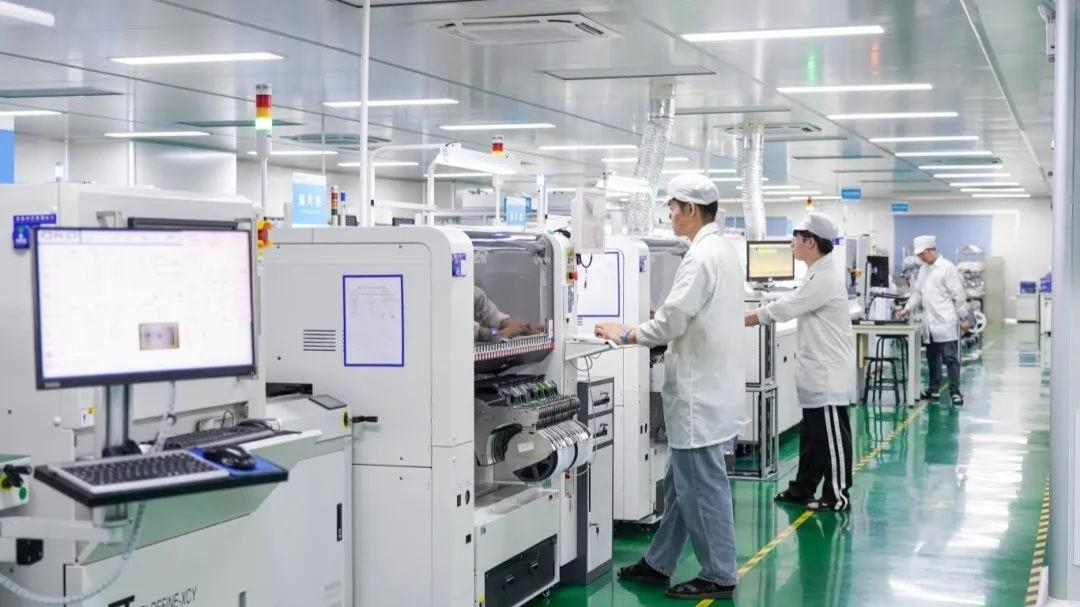
Shaped batteries let designers fit power into spaces a standard rectangular cell cannot. They are most commonly built on pouch, or soft-pack, lithium technology.
How Are Shaped Batteries Made and Does Customization Take Long?
How Shaping Is Achieved
Rather than starting from a fixed standard envelope, a shaped cell uses custom electrode cutting, tailored packaging and formed aluminum-laminate film to follow the target geometry. This allows curves, tapered edges and non-rectangular footprints that match the device interior.
What Affects Lead Time
Custom tooling, new electrode patterns, material selection and validation testing all add time. Simple adaptations of an existing platform are faster; truly new geometries require sample build and testing before mass production can begin.
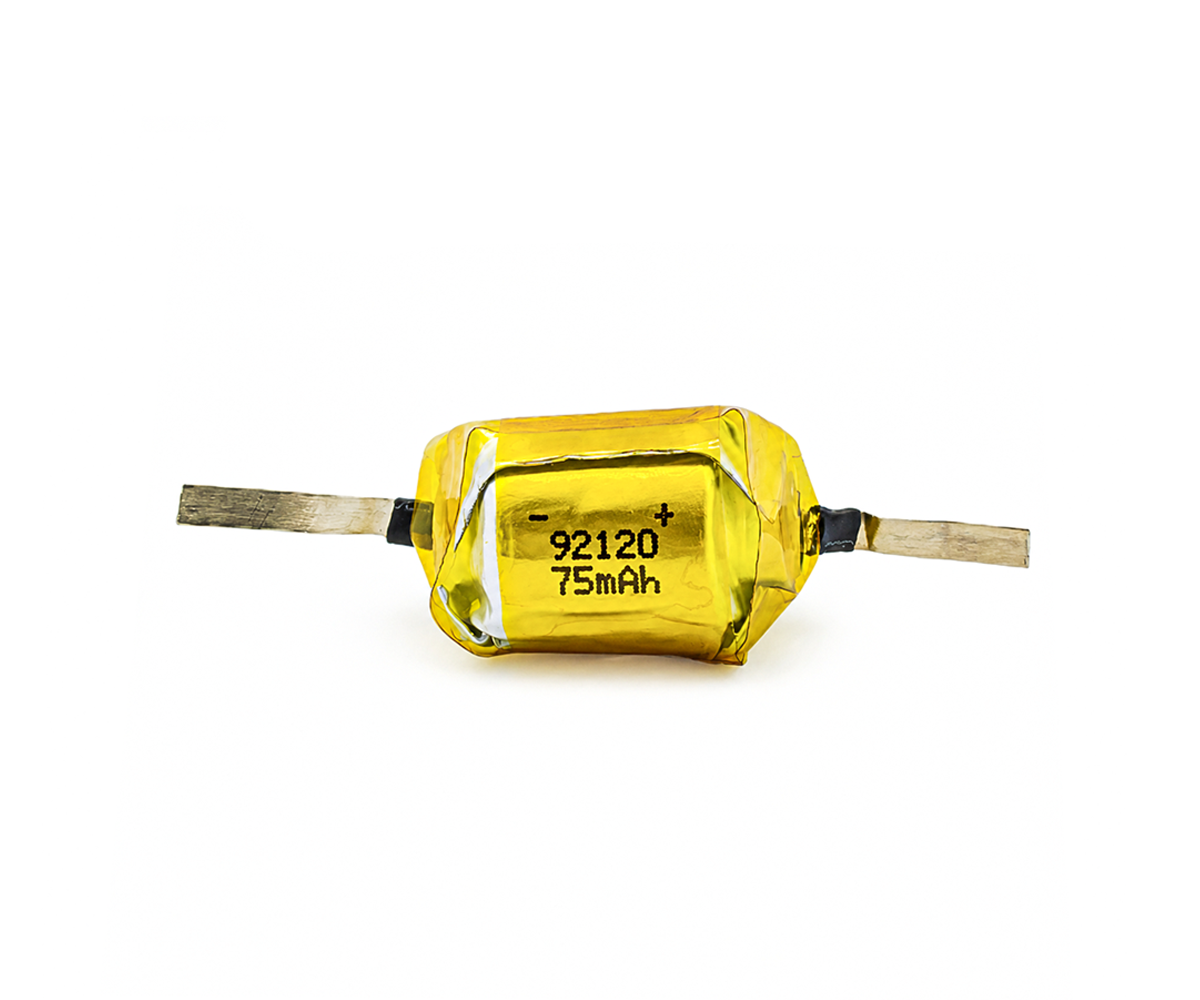

A shaped battery trades some capacity density for design freedom, so the shape and capacity must be balanced together. Lead time depends on complexity and validation needs; typical custom projects follow a define, sample, test and produce flow and are subject to project evaluation. Because packaging and electrode design are tailored, each shaped cell is validated for capacity, safety and fit before production begins, which is how a custom geometry still delivers reliable performance.