

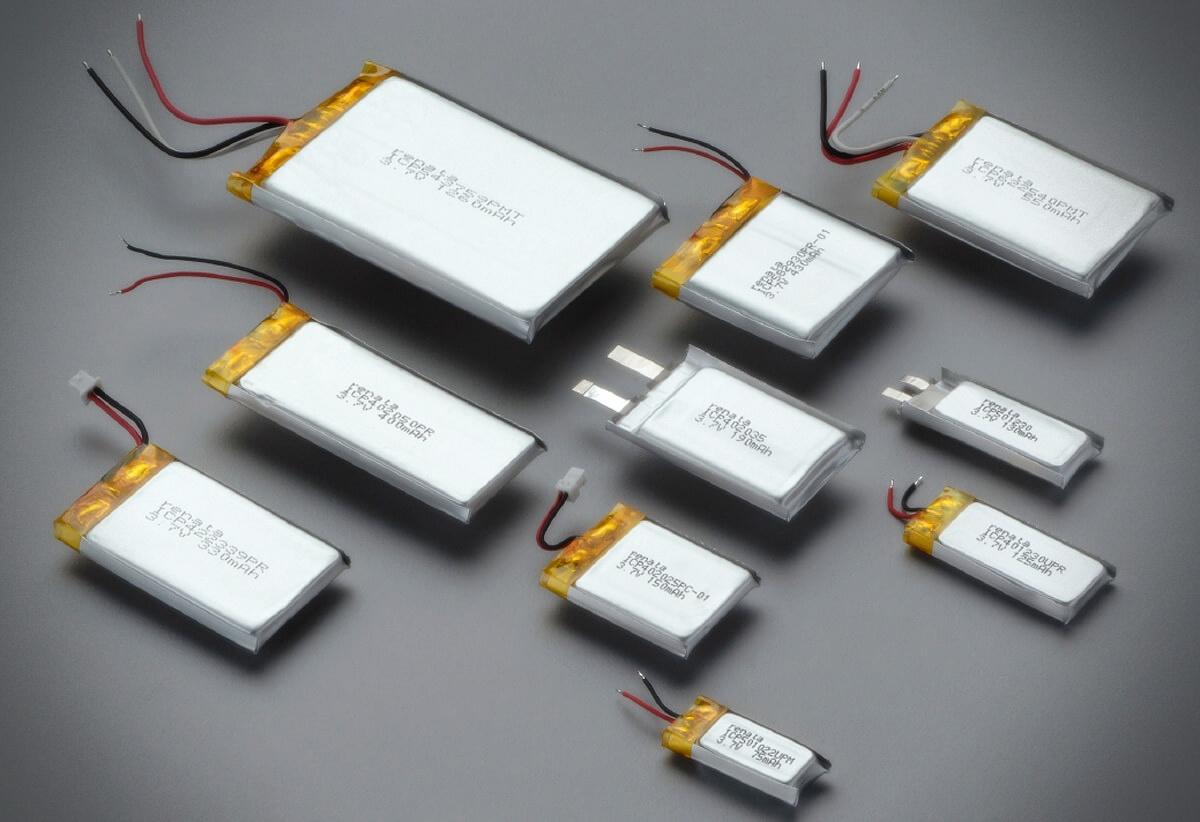
Reliable electrical connections are essential in a battery pack. The two most common methods are resistance spot welding of nickel strip and laser welding.
What Welding Methods Are Used for Batteries: Laser Welding vs Spot Welding?
Resistance Spot Welding
Spot welding presses thin nickel strip onto cell terminals and fuses them with short bursts of current. It is fast, cost-effective and widely used for connecting nickel tabs to cylindrical and pouch cells. It works best with thin, well-matched strip and carefully controlled weld parameters.
Laser Welding
Laser welding uses a focused beam to fuse tabs and busbars, often for copper or aluminum connections and higher-current packs. It offers deep, precise welds with low heat input and strong repeatability, though the equipment is more specialized.
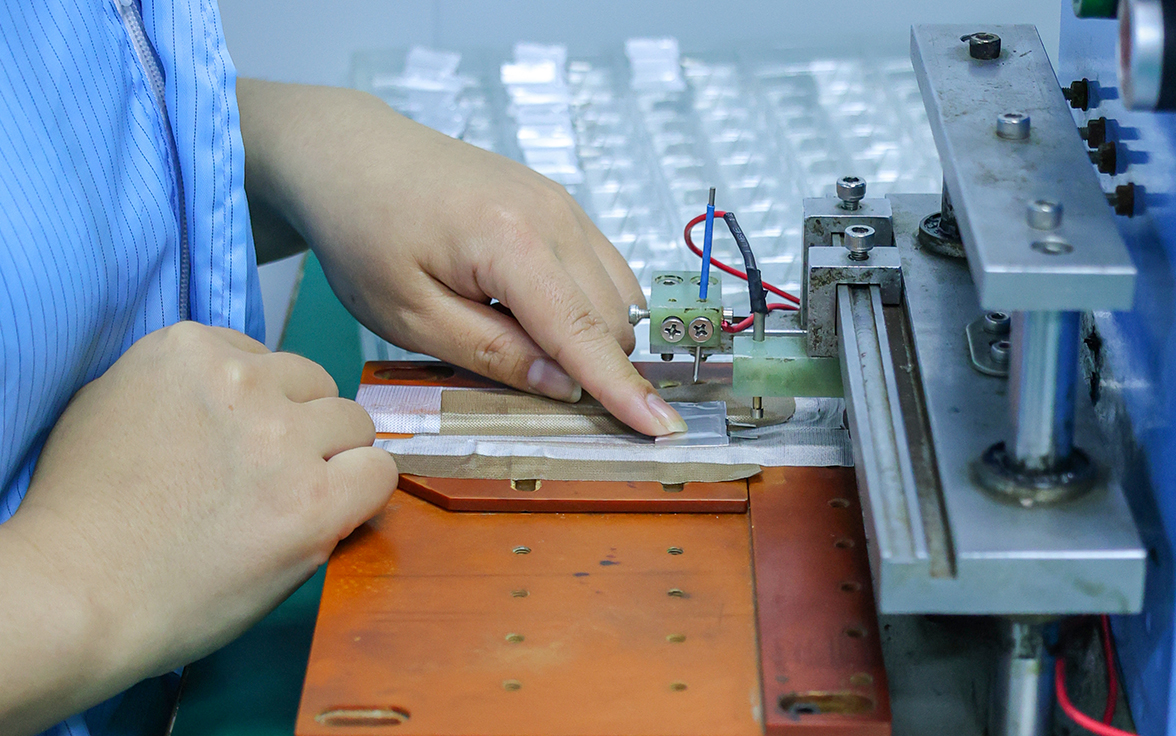
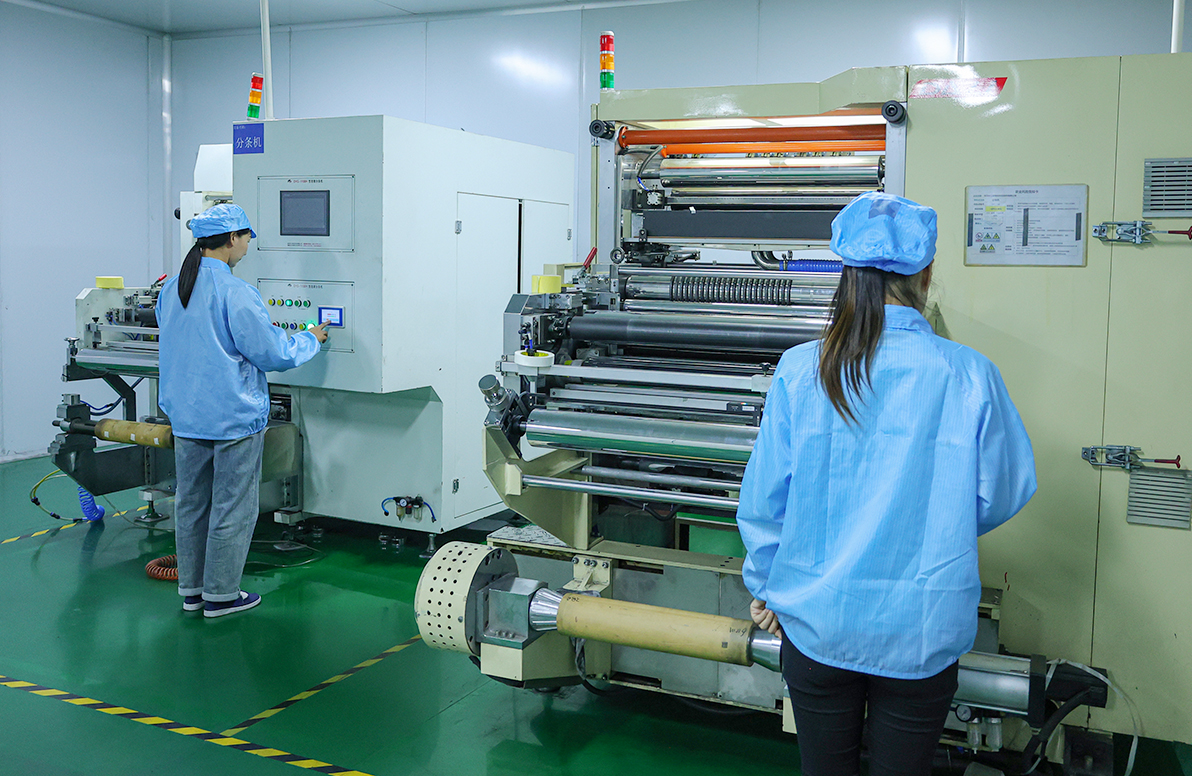
The choice depends on the tab material, current rating, production volume and required reliability. Both methods need controlled process parameters and inspection to keep joints consistent. For custom packs, the joining method is selected with the design and subject to project evaluation. Poor joints add resistance and heat, which hurt both efficiency and safety, so process control and sample validation matter whichever method is chosen.