


A single small cell often works with a simple protection circuit, but multi-cell packs almost always benefit from a dedicated battery management system, or BMS.
Does a Battery Pack Always Need a BMS and What Does It Do?
What a BMS Monitors and Protects
A BMS continuously tracks each cell's voltage, the pack's current and its temperature. It prevents overcharge, over-discharge, over-current and short circuit, and disconnects the pack when a limit is approached. This protects both the cells and the device they power.
Cell Balancing
In multi-series packs, cells drift slightly over time. The BMS balances them so no single cell is repeatedly stressed, which improves both safety and usable life. The more cells connected in series, the more valuable balancing becomes.
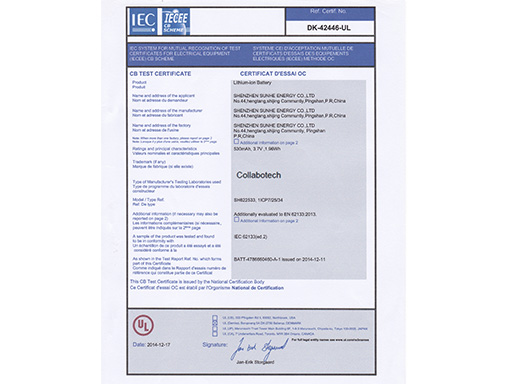
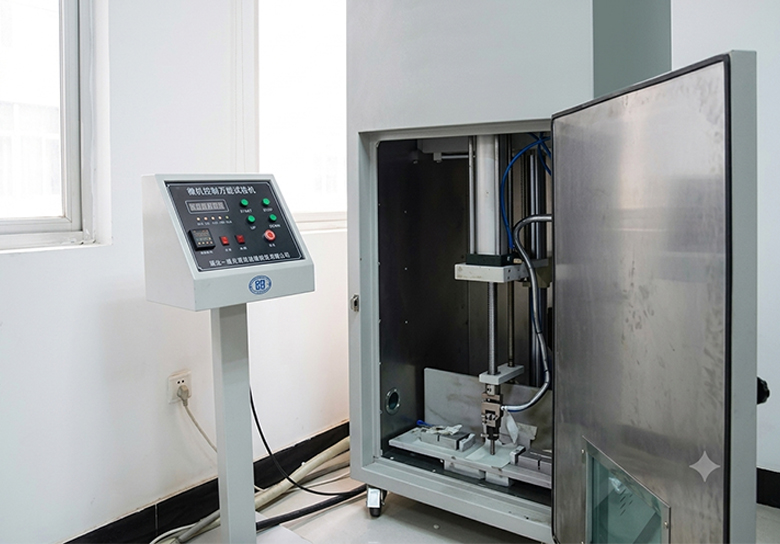
Whether you need a full BMS or a simpler protection board depends on the pack's voltage, cell count and application. Simple single or few-cell packs may use a basic protection circuit, while higher-voltage packs rely on a fuller BMS. The exact configuration is decided with the project and subject to evaluation. A BMS can also report pack status to the host device, which helps manage charging and estimate remaining runtime.