


Series and parallel connections let you scale a pack to the voltage and capacity your device needs. Done well, a pack is safe and long-lived; done poorly, inconsistency creates imbalance and stress.
How Should Battery Packs Be Designed in Series and Parallel?
What Series and Parallel Actually Do
Adding cells in series raises the total voltage, while adding cells in parallel increases total capacity and runtime. A typical pack combines several strings in series and parallel to reach a target voltage and capacity from standard cells.
Why Consistency Matters
Cells in a pack should be well matched in capacity, internal resistance and self-discharge. Mismatched cells drift apart over cycles, and the weakest cell limits the whole pack. A good design uses matched cells, proper connecting geometry, and often a protection board or BMS to monitor and balance the strings.
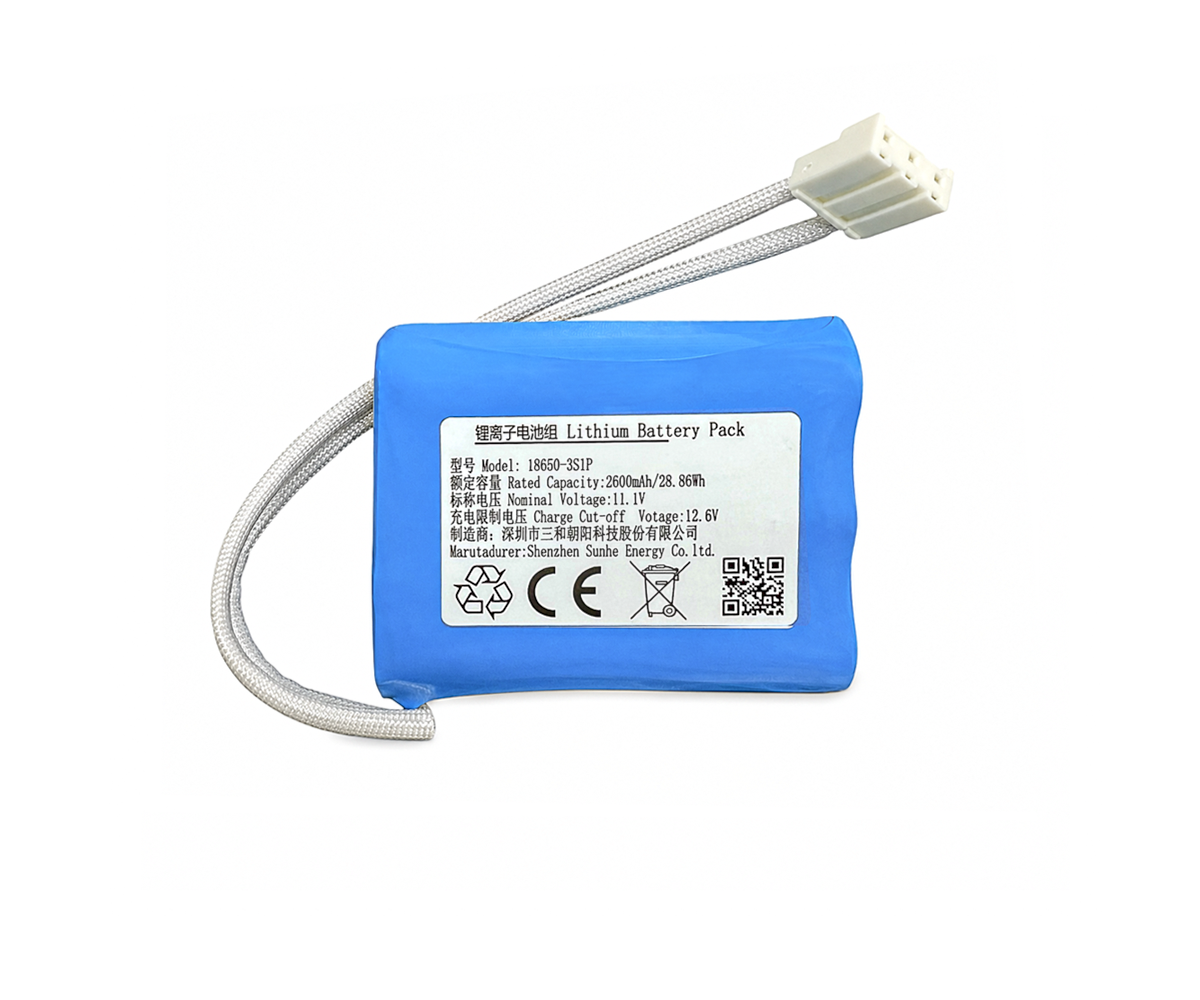
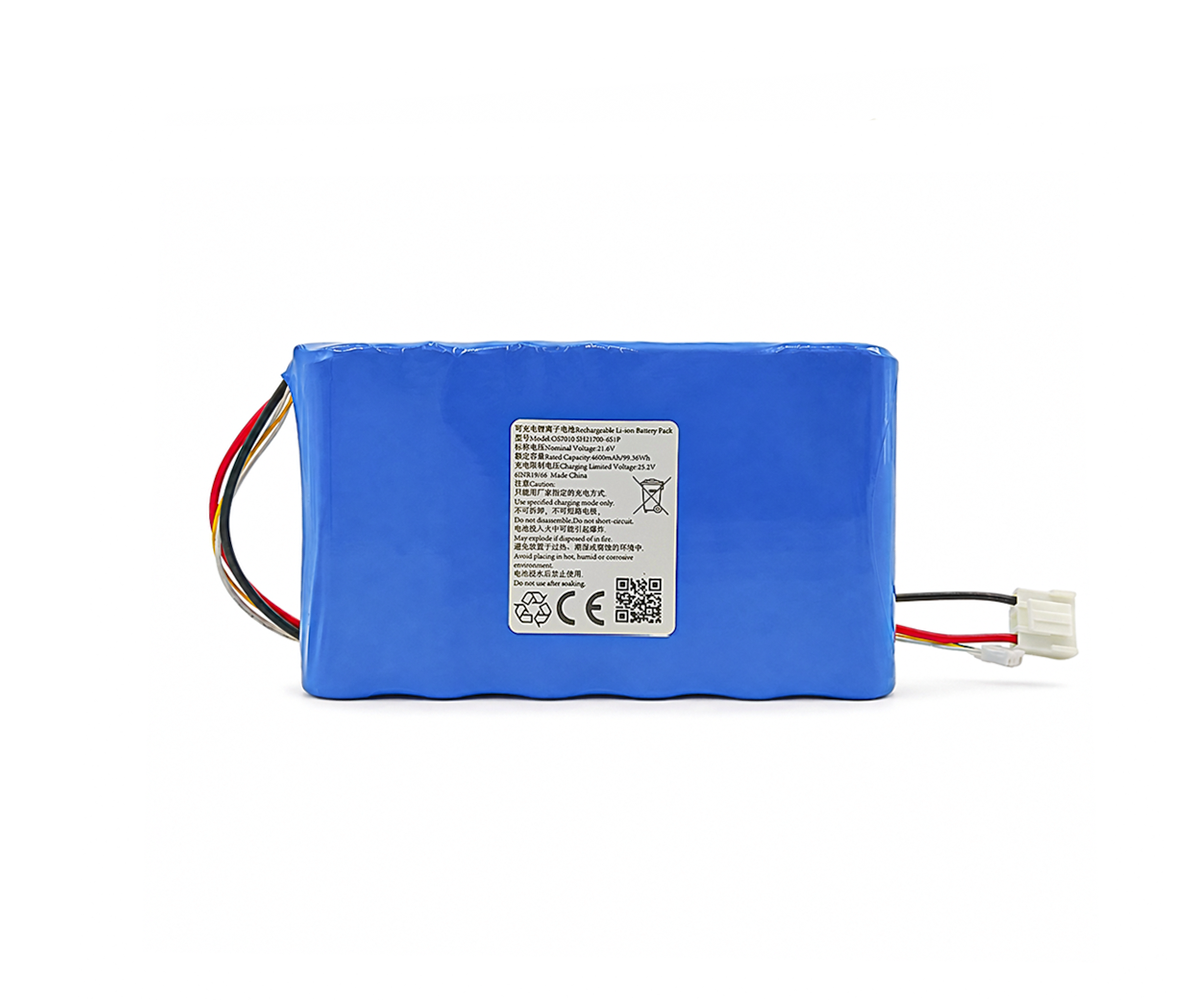
Keep connections clean and low-resistance, and avoid mixing cells of different ages, chemistries or capacities. For custom pack designs, the series-parallel scheme is defined around your voltage, current and space requirements and is subject to project evaluation. Well-designed packs also isolate cells mechanically and thermally so that a single fault does not spread to the rest of the pack.