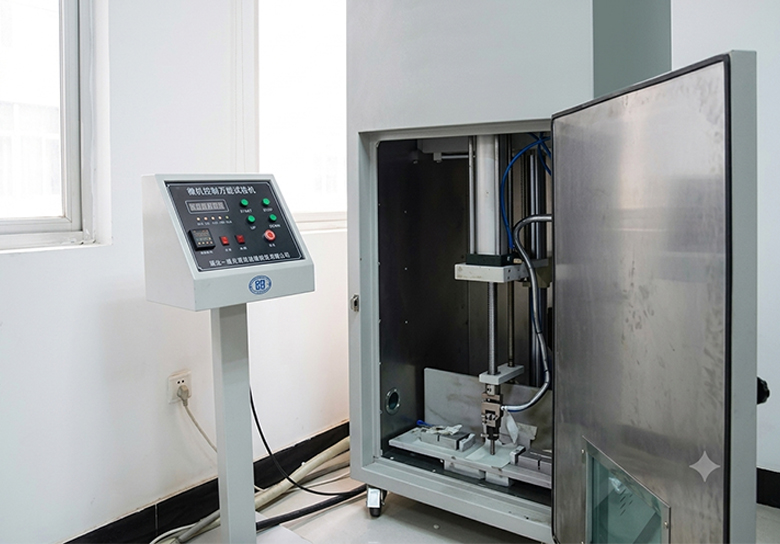
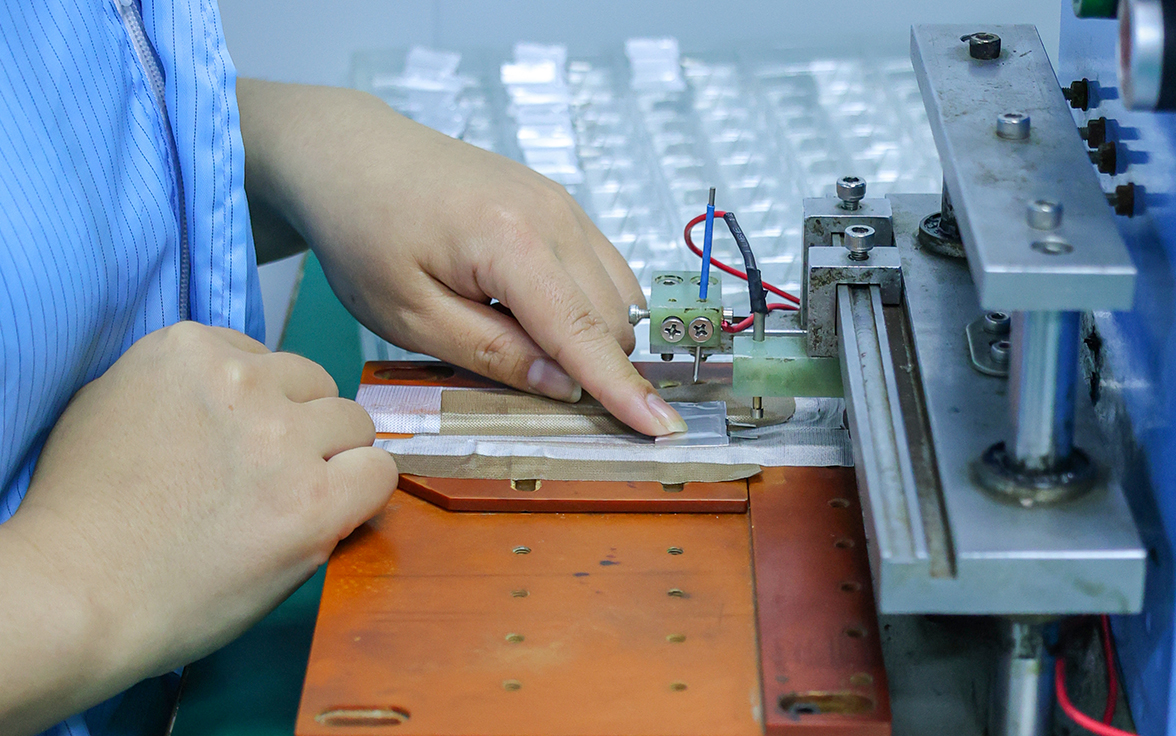
Battery makers are pushing production lines toward smarter, more automated inspection, because cell quality must be consistent at very high volume and because safety leaves little room for variation.
From manual to automated inspection
Traditional quality control relied on sampling and human visual checks. Modern lines add automated stations that examine electrodes, winding, stacking, welding and packaging at speed. Cameras, measurement sensors and process data capture make it possible to catch defects earlier, before a cell moves further down the line.

What AI adds
Artificial intelligence takes inspection a step further by learning patterns from large datasets of good and bad products. Visual systems can spot subtle surface defects, while data models link process parameters to later performance. The goal is not only to reject bad cells, but to understand why variation appears and adjust the process before it spreads.
Traceability and safety
Because lithium batteries are safety-sensitive, traceability matters. Automated lines record which materials, parameters and tests each cell experienced, supporting faster root-cause analysis and steadier quality. As demand grows, smart manufacturing is becoming a baseline expectation rather than a premium feature.