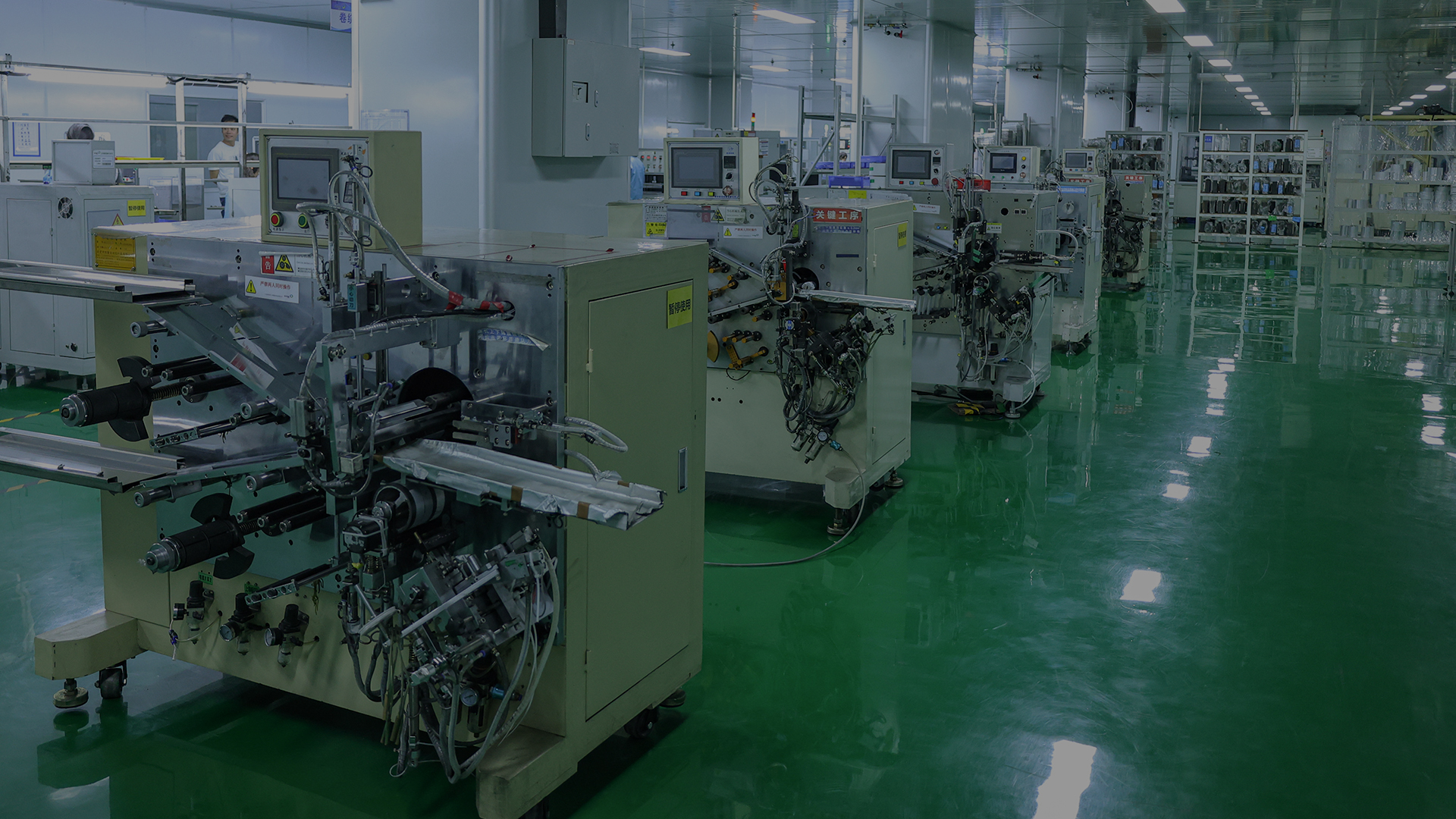
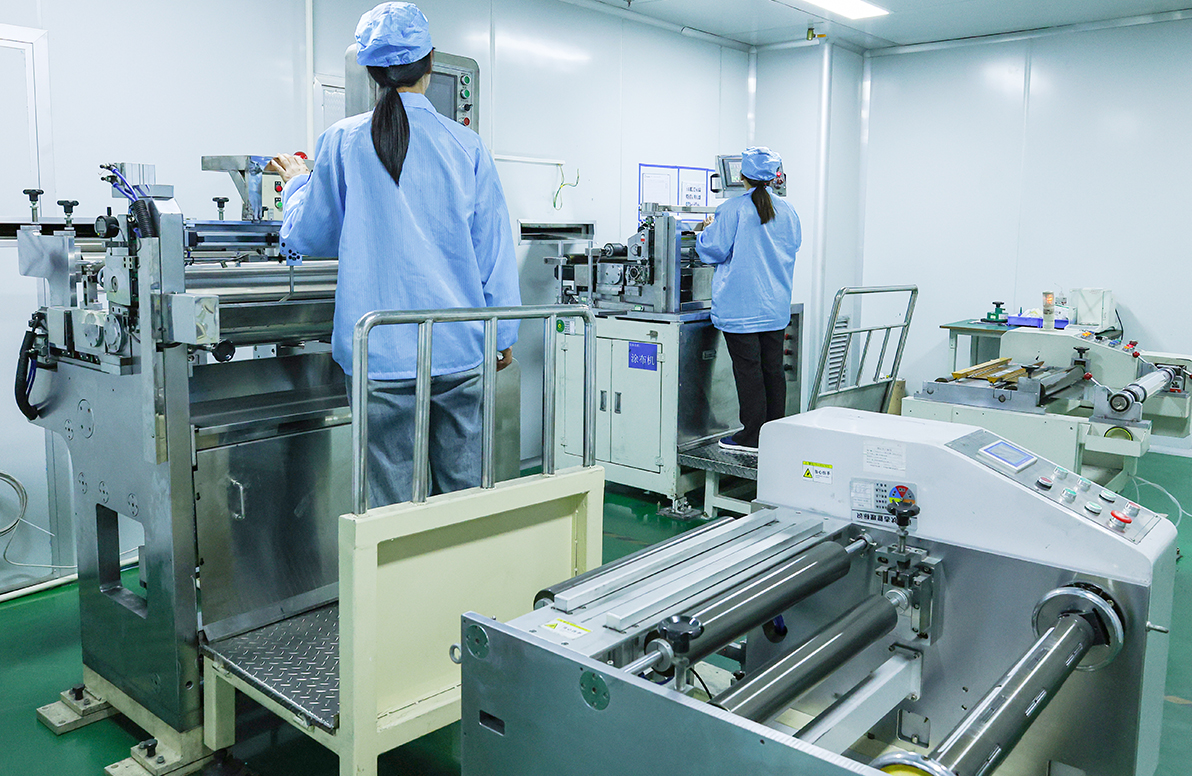
Energy storage and consumer electronics have become the two strongest engines behind sustained growth in lithium battery demand, pulling innovation across cells, packs and system design. Together they keep the broader lithium industry expanding even as individual product cycles move.
Two Demand Engines
Stationary storage pairs wind and solar generation with large battery systems that smooth intermittent power, while consumer devices keep multiplying in number and functionality. Both rely on similar lithium chemistry, yet they pull design in different directions rather than toward a single product.
Different Priorities, Shared Platforms
Storage buyers prioritize long cycle life, system-level safety and low cost per kilowatt-hour. Consumer brands, by contrast, chase thin form factors, fast charging and high energy density in compact spaces. The result is a wider portfolio of cell platforms rather than one dominant shape, with manufacturers balancing both ends of the market.
What to Watch
Across both engines, the industry is converging on safer chemistries, better thermal management and tighter quality control. Suppliers that can serve storage and consumer markets with shared manufacturing know-how, consistent quality systems and reliable delivery are well positioned as demand continues to broaden and application scenarios keep diversifying.