

Electric two- and three-wheelers remain a workhorse of urban and suburban mobility, and their power systems are quietly switching from lead-acid to lithium chemistry across a widening range of markets.
Why the Switch Makes Sense
Lithium packs weigh far less than equivalent lead-acid batteries, extend usable range and survive more charge cycles. For daily commuters and delivery riders who depend on their vehicles, those advantages translate directly into lower operating hassle, easier handling and fewer midday top-ups.
Product Shapes Are Evolving
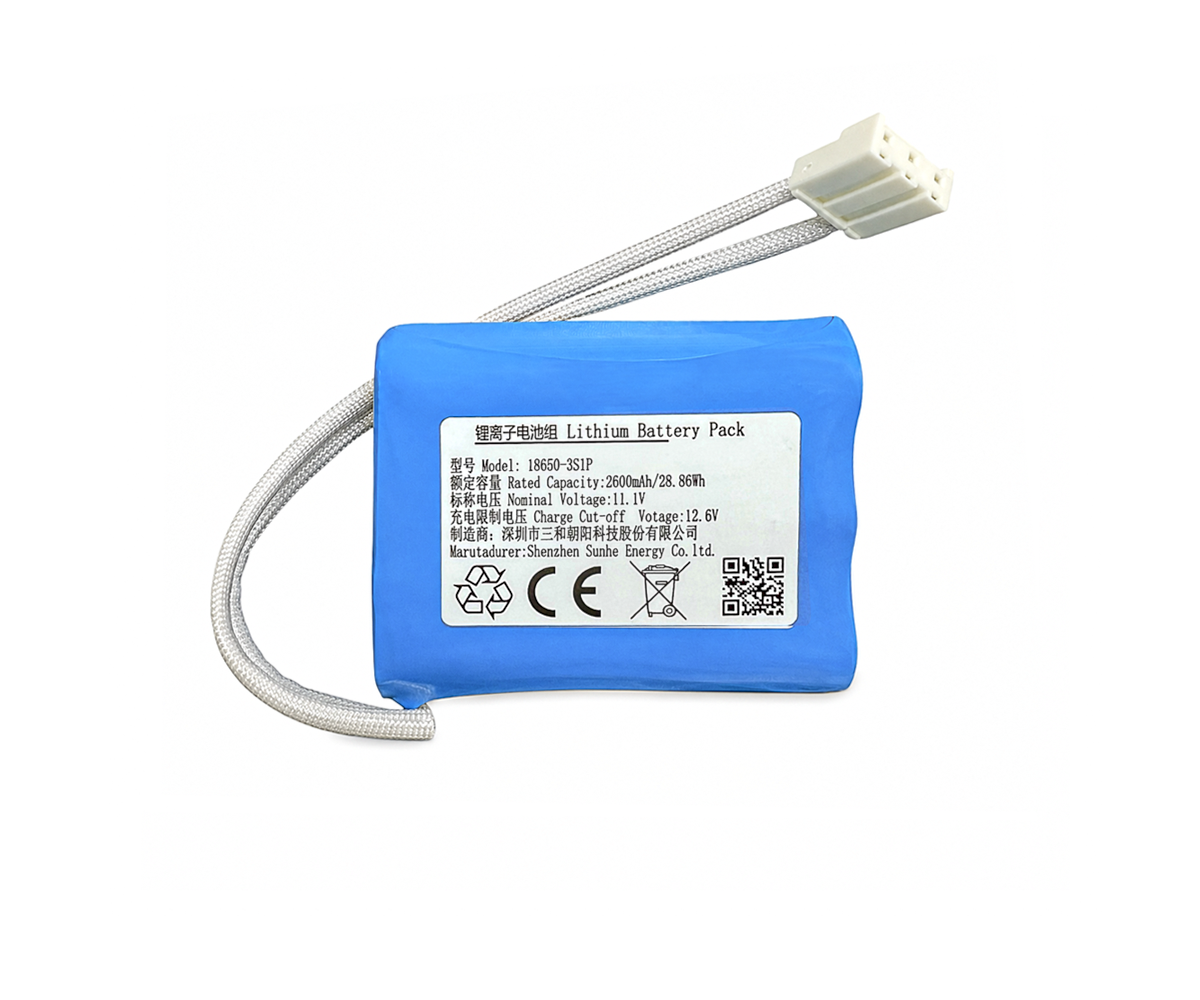
Sealed, service-free battery designs are becoming standard, often integrated into the frame or mounted as removable units. LFP chemistry is favored where safety and long life matter most, while high-density packs are used where weight and range dominate. Waterproofing and robust connectors have become basic expectations.
What Comes Next
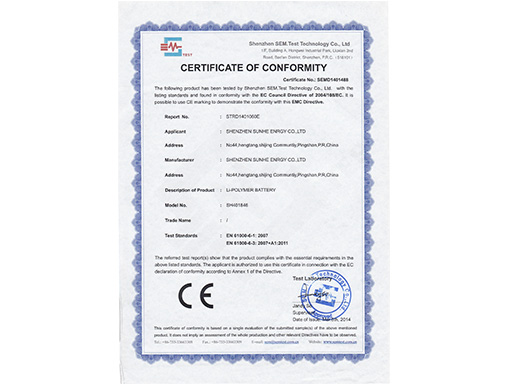
The shift is reinforced by better charging infrastructure, standard swap formats and rising quality expectations. As safety and certification become table stakes, the market is moving toward cleaner, lighter and more reliable two- and three-wheel electric transport, with longer-lasting packs and clearer service support. Fleet operators increasingly favor certified, serviceable lithium systems over ad-hoc lead-acid swaps, which further raises the bar for suppliers.