A smart-home system contains surprisingly many batteries: door sensors, locks, cameras, speakers, thermostats and robot vacuums. No single device uses much energy, but the long tail of small cells is becoming a market in its own right.
A Long Tail of Small Applications
Many smart-home devices spend most of their time asleep, waking only to sense or transmit. That makes low self-discharge, long shelf life and stable standby voltage more important than raw capacity. Door locks and sensors must last months or years on a single charge or set of cells, which rewards careful chemistry selection and power-aware design on the device side.
Product Forms and Expectations
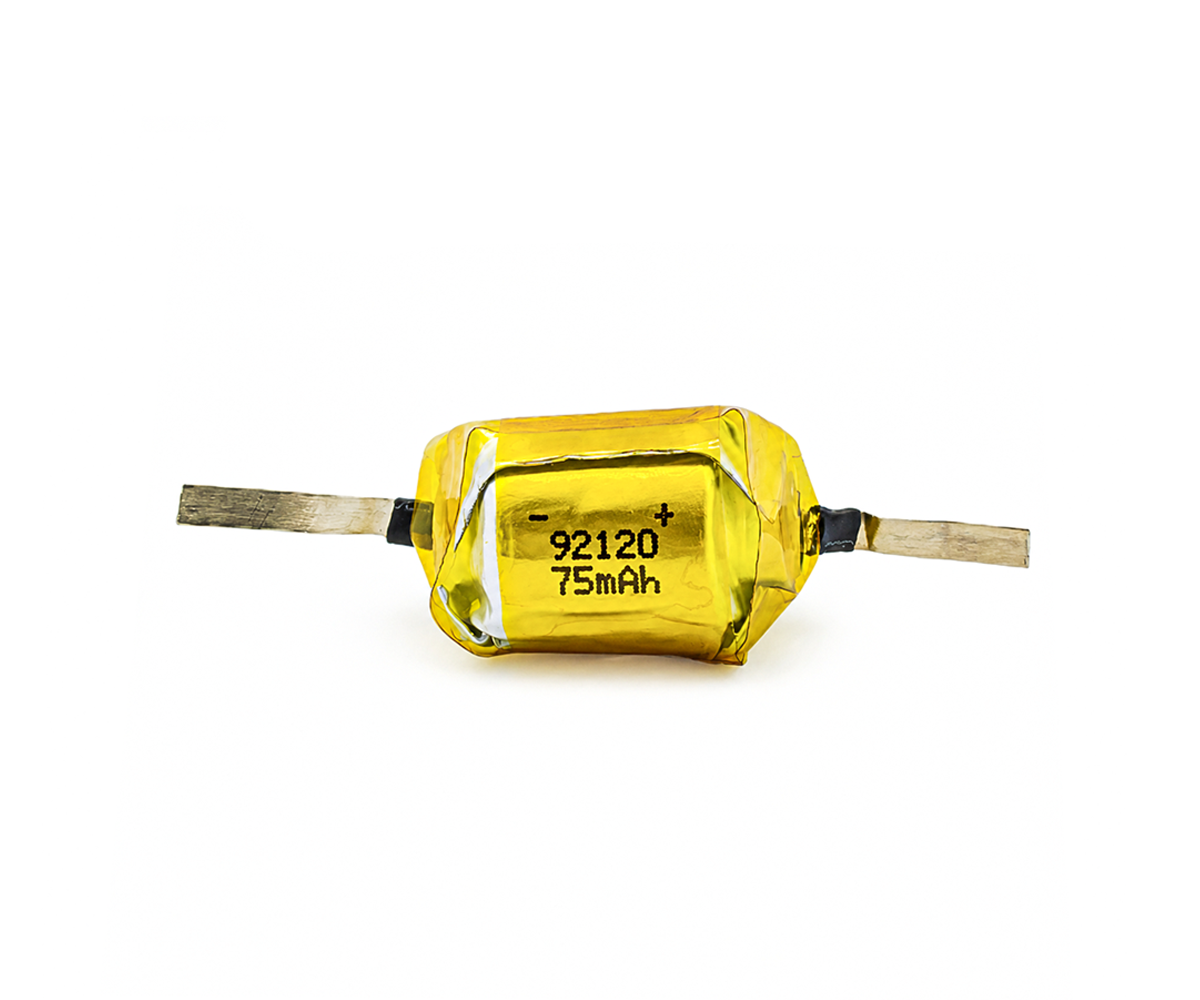
The segment spans button cells, small pouch packs and compact cylindrical formats, chosen to fit tiny enclosures and to meet customer expectations about replacement versus recharge. Cameras and vacuums pull higher power and lean on rechargeable packs, while sensors favor long-life primary or low-maintenance rechargeable cells. As homes add more connected devices, consistent quality and predictable longevity across this range matter as much as headline energy density, because a dead sensor silently undermines the whole experience.