Consumer devices keep getting thinner and smarter, yet buyers still expect a full day of use. Foldable phones, AI-powered handsets and always-on wearables are the clearest drivers pushing battery design harder inside a shrinking enclosure.
What New Devices Demand
Foldables and curved handsets need irregular, shaped cells that bend around hinges and components rather than filling a rectangle. AI features raise average power draw because the device is constantly sensing, processing and connecting, even when the screen is off. Always-on health tracking adds another small but persistent load that has to be budgeted around the clock. Longer software support cycles also mean users keep devices for more years, so battery aging and capacity retention matter more than peak performance alone.
How Cells Respond
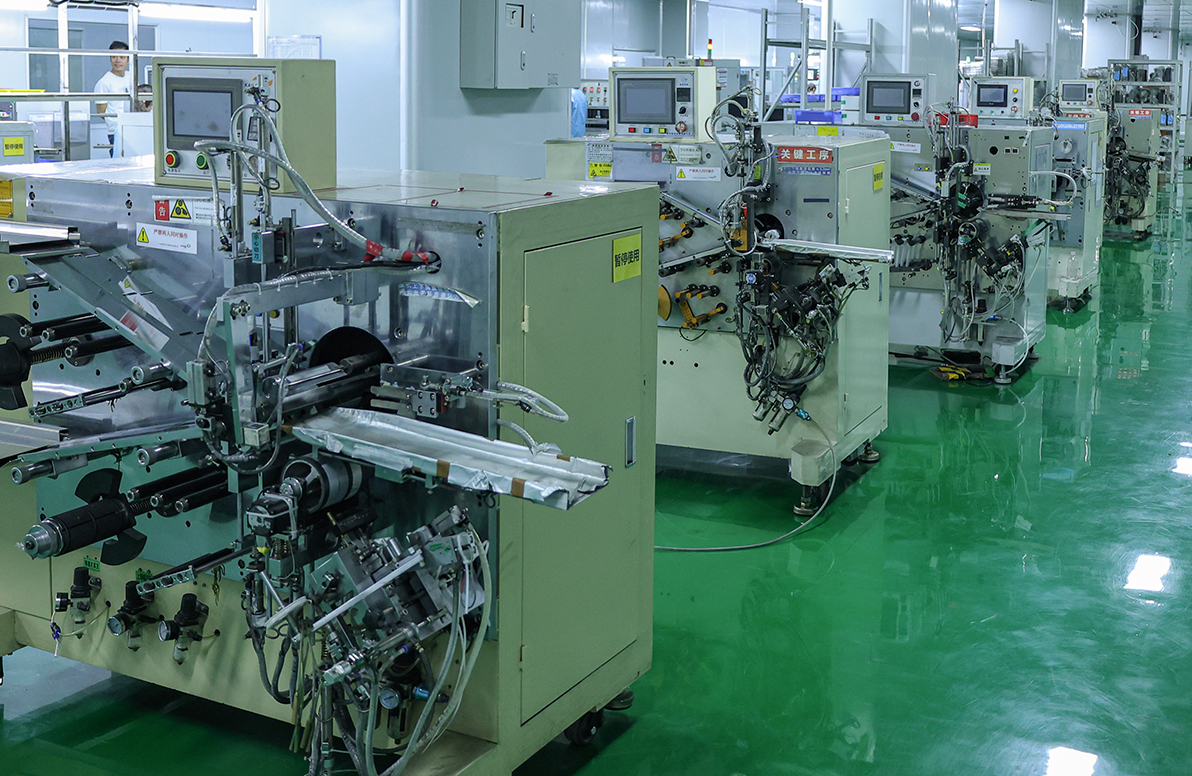
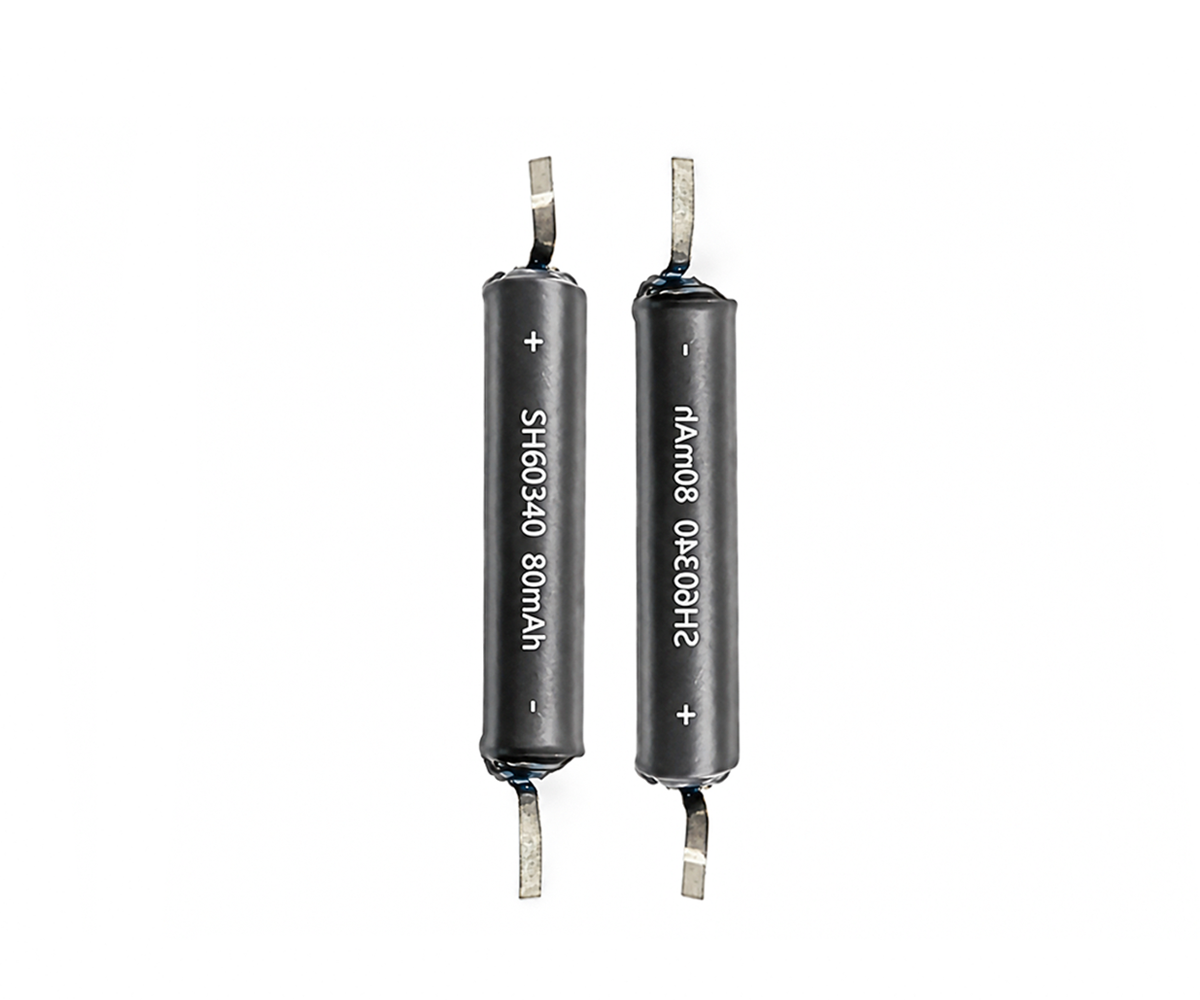
The cell side answers with higher-voltage chemistries, more silicon in the anode and flexible, precision-shaped packaging that follows the device outline. System-level optimization matters as much as the cell itself: smarter charging profiles, background task scheduling and display efficiency all stretch runtime. The result is an arms race in which every fraction of a percent of energy density and every milliampere of saved standby current counts, and where the best battery is often the one the user never notices.