Solid-state batteries promise safer, denser cells by replacing flammable liquid electrolyte with a solid conductor. The catch is that no single solid material leads on every front, so the industry is pursuing three parallel routes.
Three Chemistries, Three Trade-Offs
Sulfide electrolytes offer the highest room-temperature conductivity and good processability, but they are sensitive to moisture and demand tightly controlled manufacturing. Oxide electrolytes are chemically stable and safe, yet they tend to be brittle and form high-resistance interfaces with electrodes. Polymer electrolytes are flexible and easier to laminate, but their conductivity at room temperature is comparatively limited, which is why they are often paired with gel or liquid components.
Where Pilot Lines Are Heading
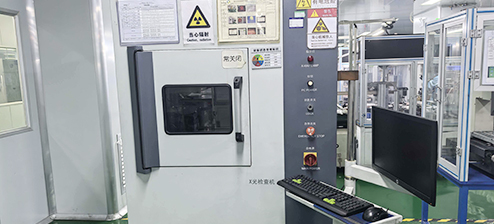
Fully all-solid designs are still being proven on pilot lines, and most products reaching the market today are actually semi-solid or hybrid systems that blend a solid framework with a small amount of liquid. This compromise captures much of the safety and density benefit while staying within existing manufacturing know-how. Over time, the leading route will likely be decided less by lab conductivity than by which material can be built reliably and affordably at scale.