

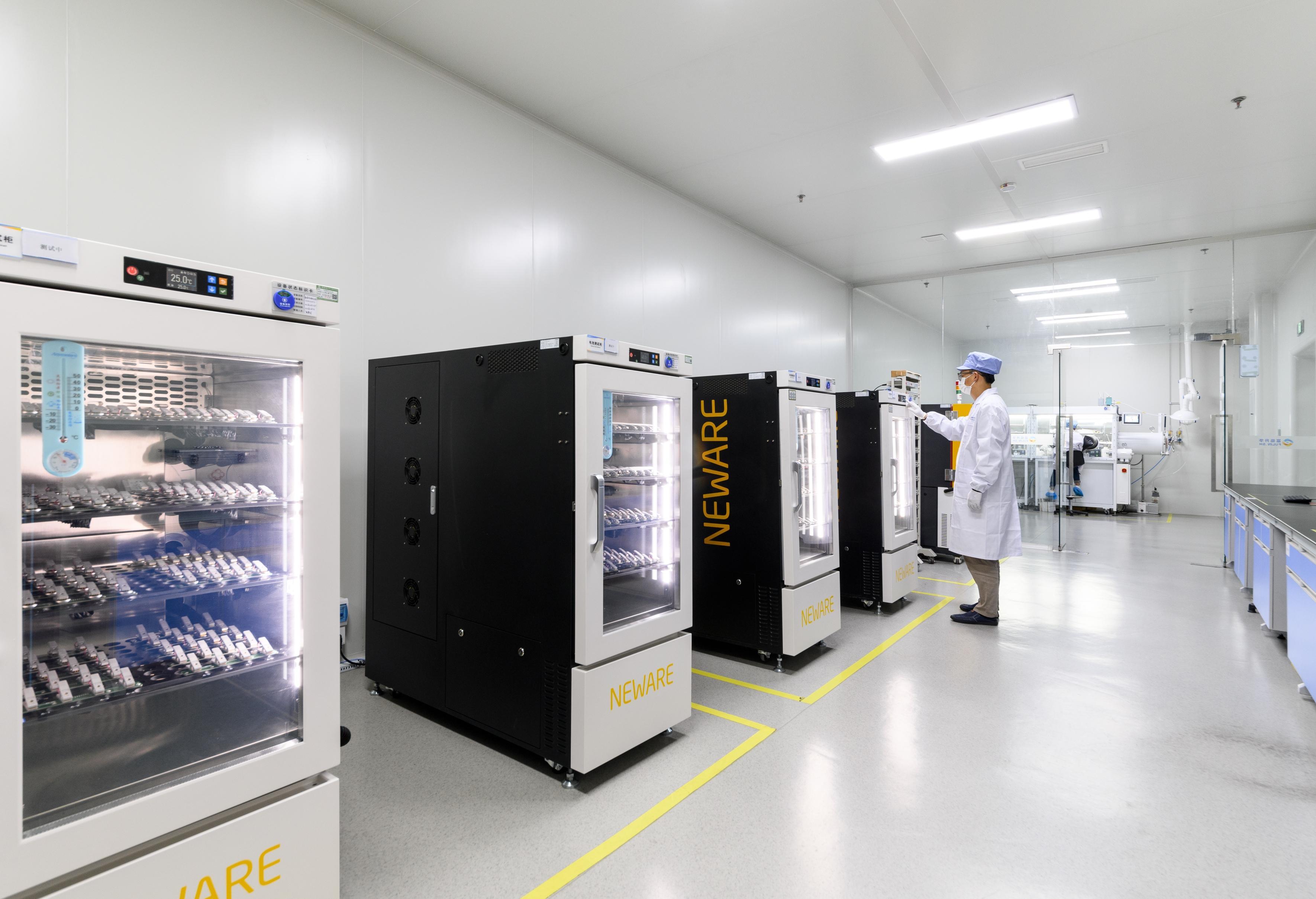
Robots place demanding, varied power requirements, and serving the market starts with careful needs analysis before any cell is chosen.
Why Robot Power Needs Are Different
Robots combine sensing, computing and actuation, so their power profile mixes long low-current standby with short high-current bursts for motion and grip. They also demand light weight and predictable behavior, which pushes toward high energy density combined with rate capability. A one-size pack rarely fits, so each platform needs a tailored design.
From Needs Analysis to Samples
We begin by understanding the robot's operating cycle, peak current, available space, weight budget and safety expectations. Based on that, we propose a cell and pack configuration, build samples, and work with the customer to validate runtime, thermal behavior and protection response on the actual platform before committing to production.
Scaling to Volume Supply
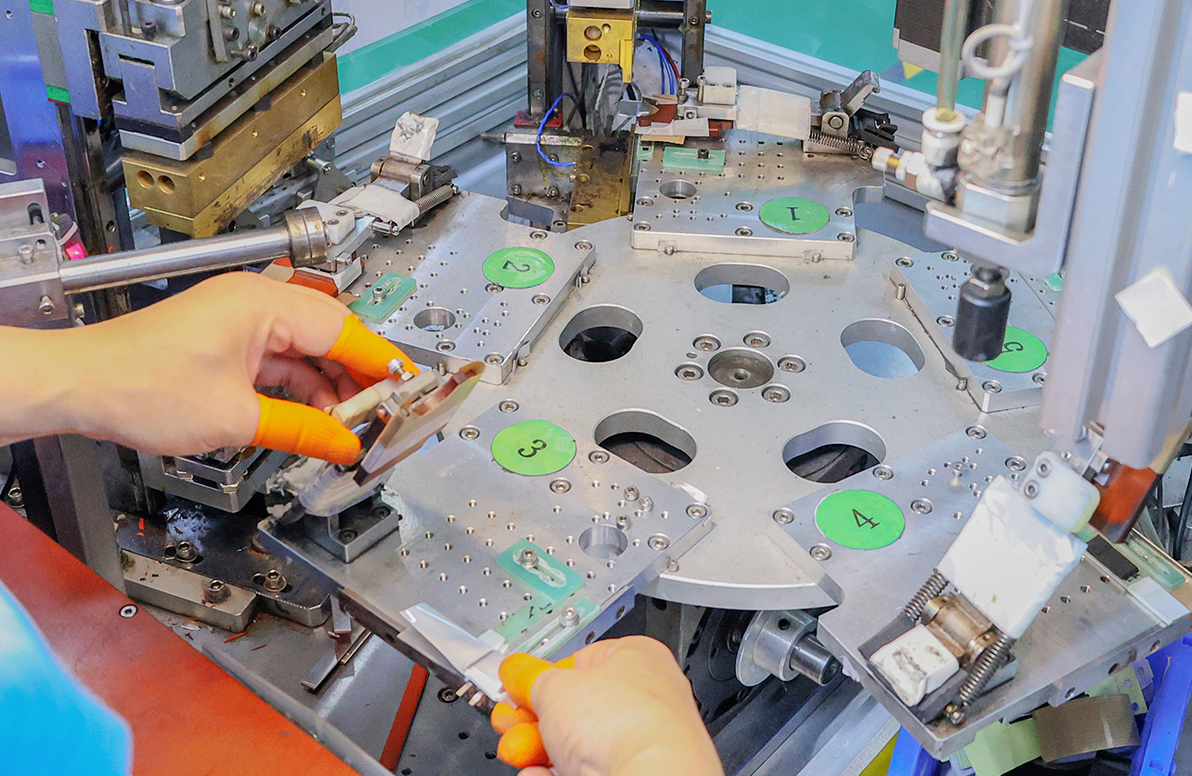
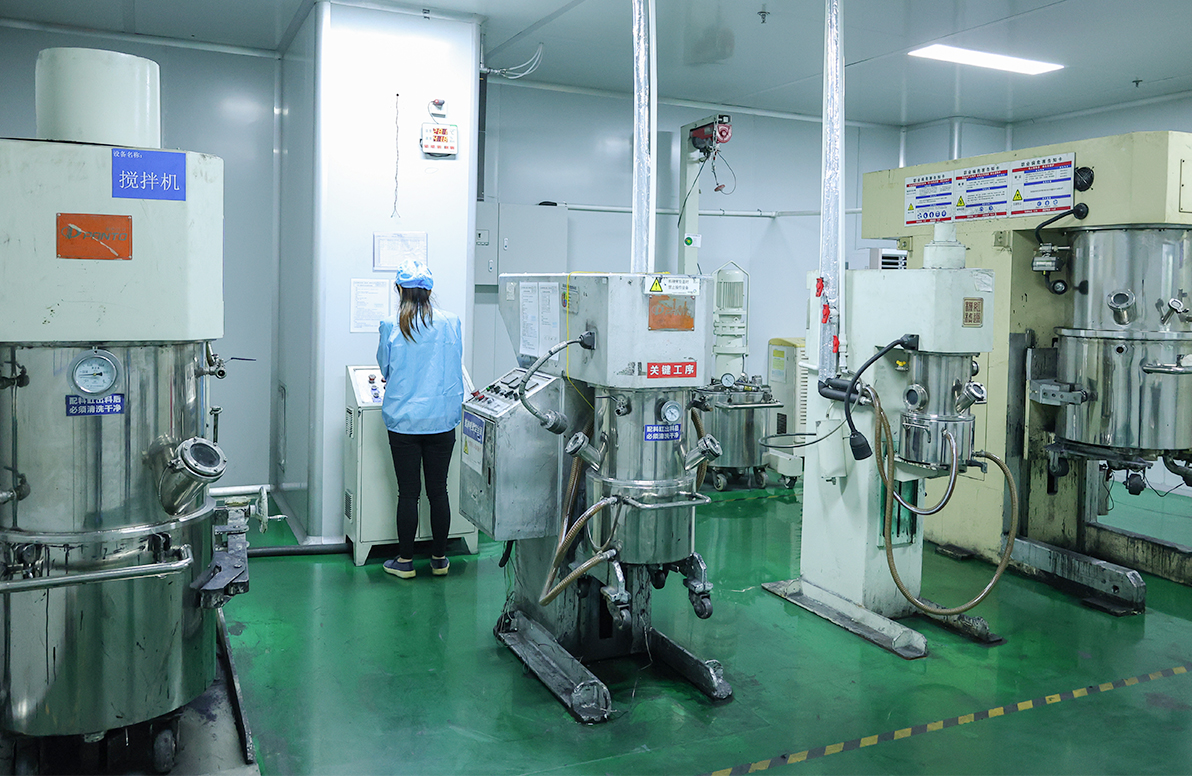
Once samples are validated, the design is transferred to production with locked specifications, standardized work instructions and incoming-material controls. We continue to support the program with repeatable quality, responsive reorders and engineering backup as the product evolves, helping robot teams move smoothly from prototype to reliable series supply.