
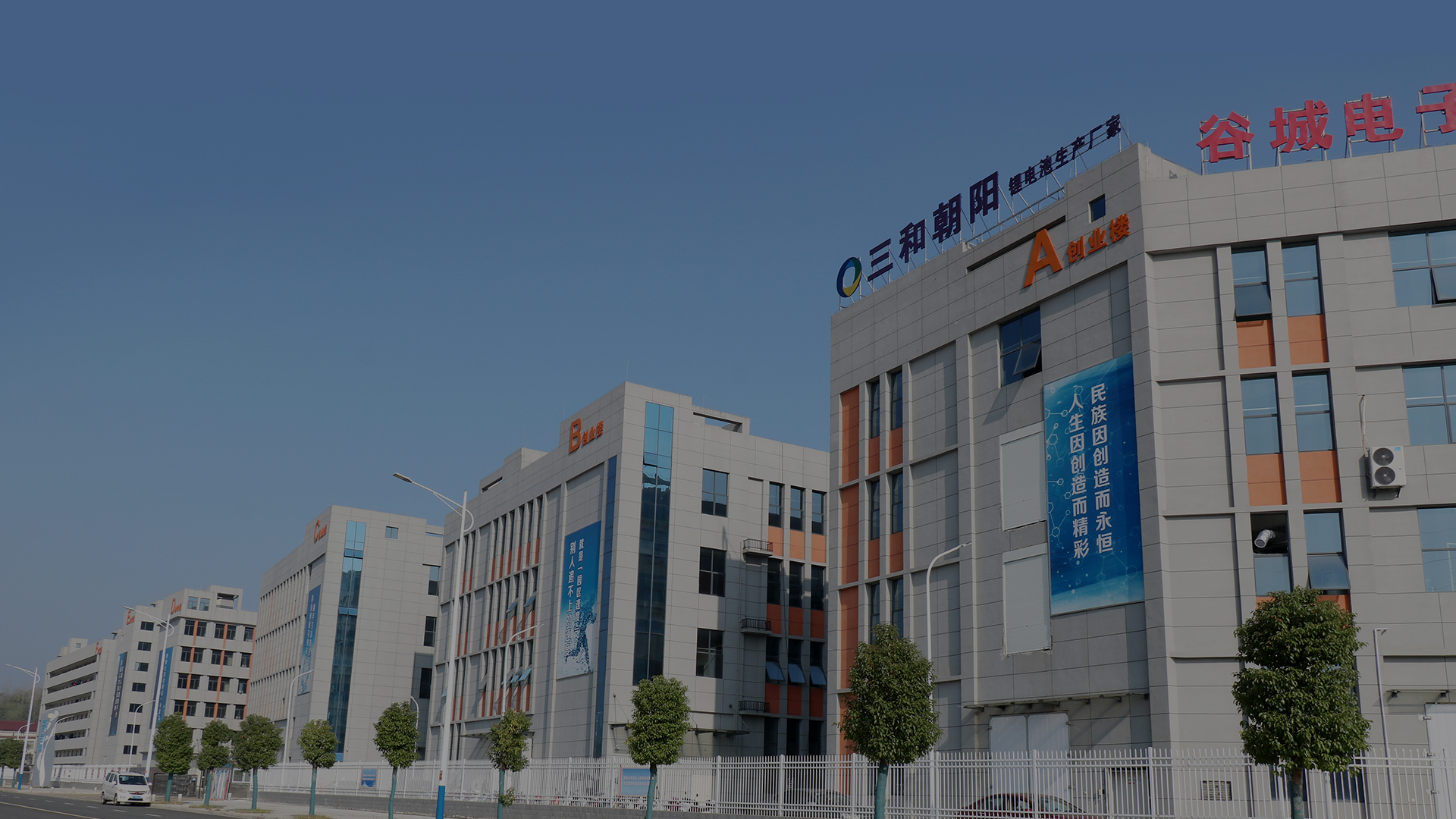
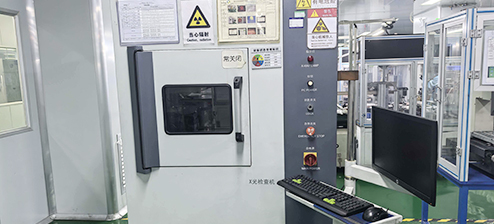
SUNHE ENERGY reports continued progress in ultra-thin, high-capacity semi-solid lithium cells, pushing the balance between a slim form factor and greater energy storage. Semi-solid technology sits between conventional liquid-electrolyte cells and fully solid-state systems, and it has become a practical bridge toward higher density.
The Semi-Solid Advantage
By reducing the volume of free liquid electrolyte and stabilizing the electrode interface, semi-solid designs can support higher-energy material systems while improving overall safety behavior. Less free electrolyte also relaxes some of the packaging demands of fully liquid cells, which opens the door to thinner, flatter constructions that fit modern consumer and wearable products.
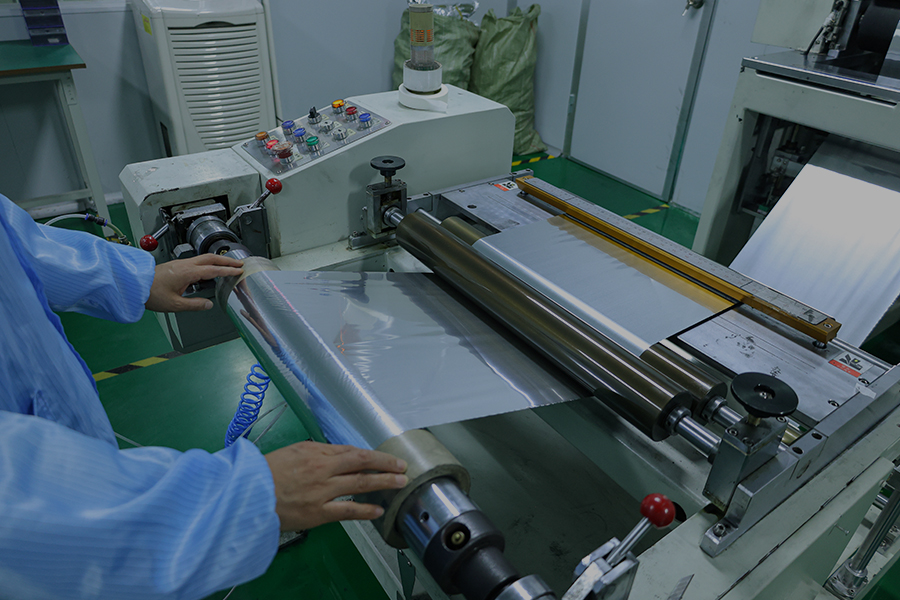
Engineering an Ultra-Thin Form Factor
Making a cell both ultra-thin and high-capacity is a materials-and-process problem, not just a packaging one. We work on electrode thickness, lamination precision and moisture control during assembly, because even small deviations in a thin cell have an outsized effect on performance. Our pilot lines let us validate these process windows before committing to larger runs.
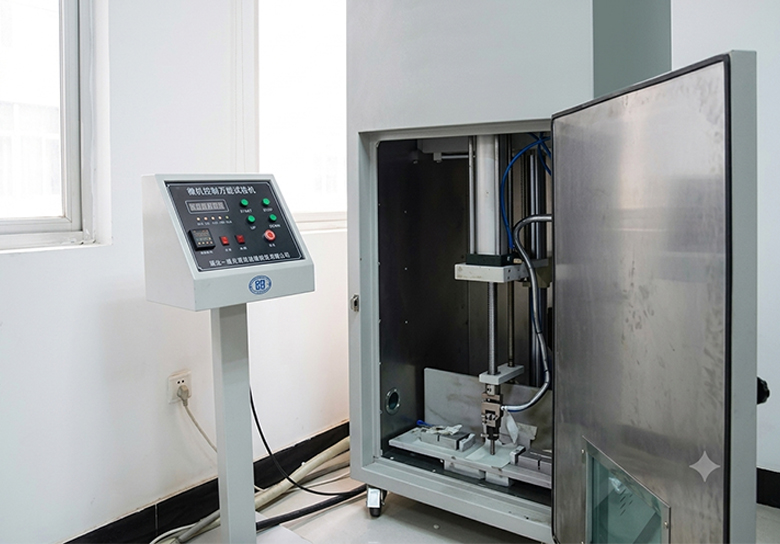
Toward Industrial Production
The goal is not a single impressive sample but a repeatable product. We are maturing the semi-solid platform across formulation, forming and end-of-line testing, so customers can design around a cell they will actually receive at volume. Ongoing work targets thinner profiles, stable cycle behavior and dependable safety across the platform.