


Smart watches, earbuds, fitness bands and health wearables all face the same conflict: users want larger screens and more sensors, yet thinner and lighter bodies. The battery is usually the largest internal component, so higher energy density directly translates into more runtime without growing the device.
The Wearable Design Challenge
Wearables are worn against the body, which means strict limits on thickness, weight and surface temperature. A cell that merely looks compact on paper is not enough; it must also ride comfortably inside a curved, constrained housing and survive daily bending and temperature swings. These constraints push designers toward thin, high-energy-density polymer cells rather than generic cylindrical parts.
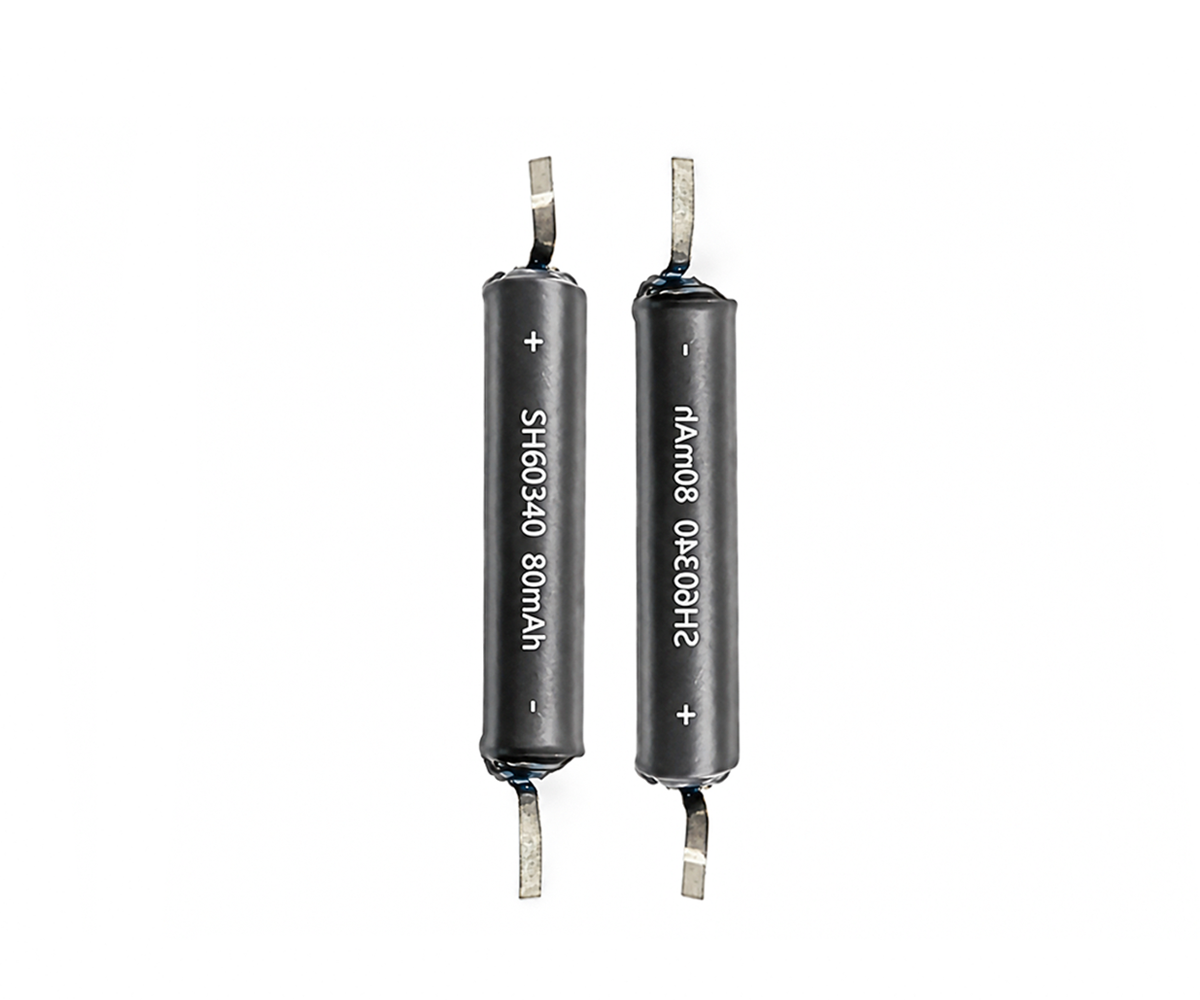
Materials and Packaging Advantages
Our lithium polymer pouch platform uses optimized gel-electrolyte materials and a slim soft-packaging process that frees internal space for active material. The result is a cell that holds more energy in a thinner profile, with the shape freedom needed to follow curved wearable housings. Quality checks cover capacity, internal resistance and safety behavior from sample through production.
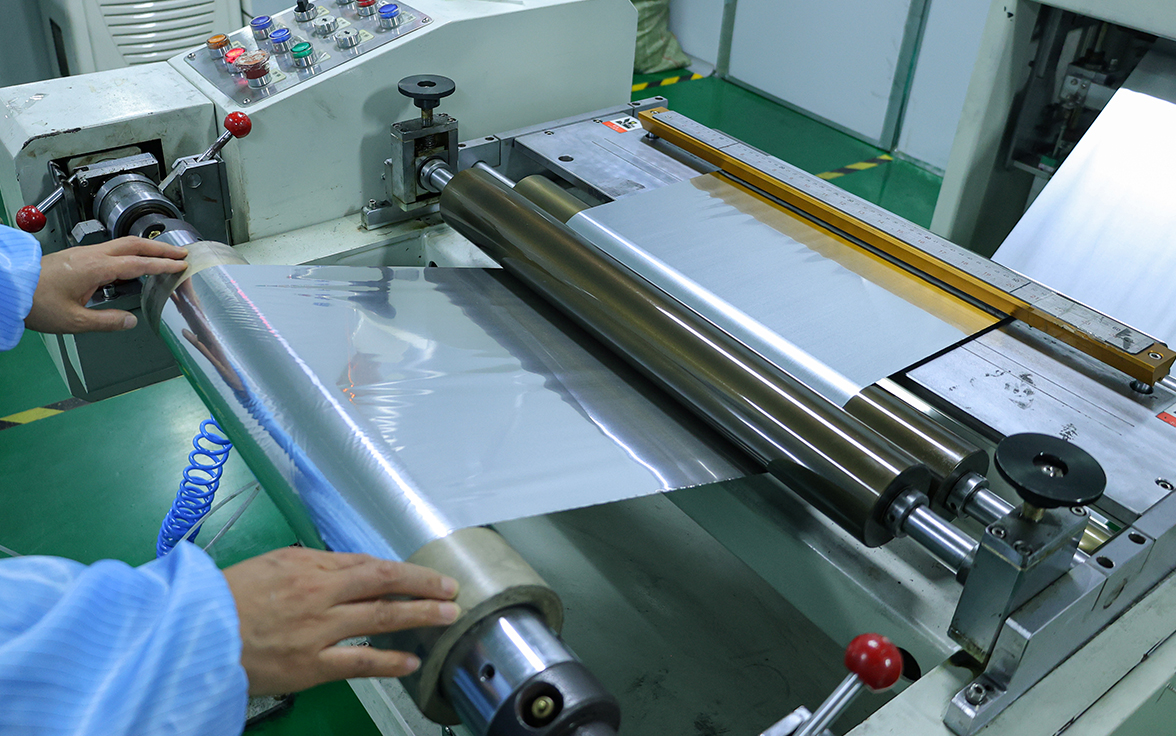
Custom Fit for Every Wearable
Because wearable designs vary widely, we tailor capacity, footprint and discharge rate to the actual product. Whether the device prioritizes all-day heart-rate monitoring, voice features or compact earbud fit, the polymer platform can be shaped to the enclosure rather than the other way around.