

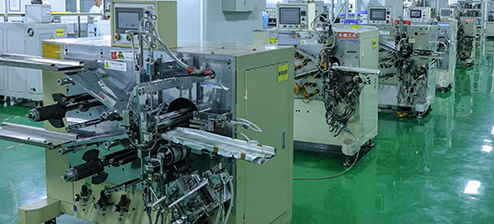
Smart home devices share a need for compact, long-life and low-maintenance power, and that calls for a tailored battery rather than a generic cell.
Power Needs of Smart Home Devices
Most smart home electronics spend most of their time in sleep mode, waking briefly to transmit data. This demands a battery with low self-discharge, stable voltage under light load, and enough capacity to run for months between charges or replacements. Form factor also matters, because sensors and locks are designed around tight, hidden spaces.
How We Approach Each Product
We select the cell format, pouch, coin or cylindrical, according to the device's space, current profile and safety requirements. For door locks and gateway units, we often recommend packs with protection boards that tolerate long storage and occasional high-current motor pulses. For small sensors, we favor ultra-compact cells that fit discreetly within the enclosure.
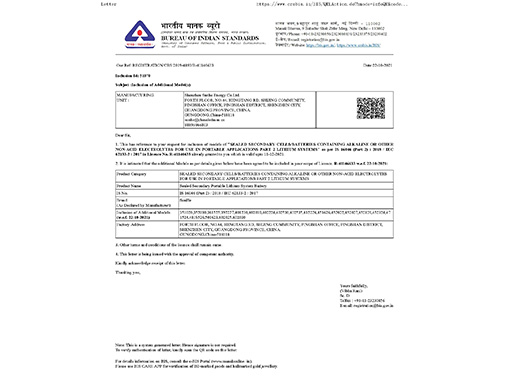
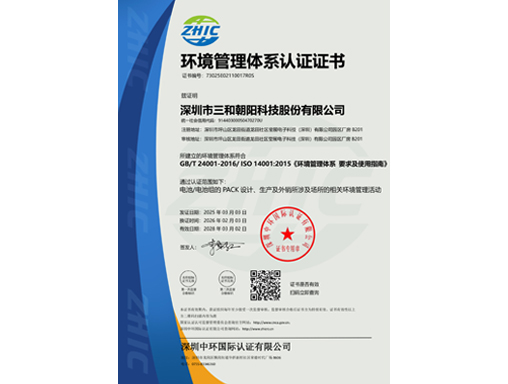
Designing for Long Service Life
We help customers choose operating voltage windows and charging strategies that balance user convenience with cycle life. By matching the battery to the device's actual duty cycle rather than over-specifying, we deliver solutions that are safe, space-efficient and dependable for everyday connected-home use.