

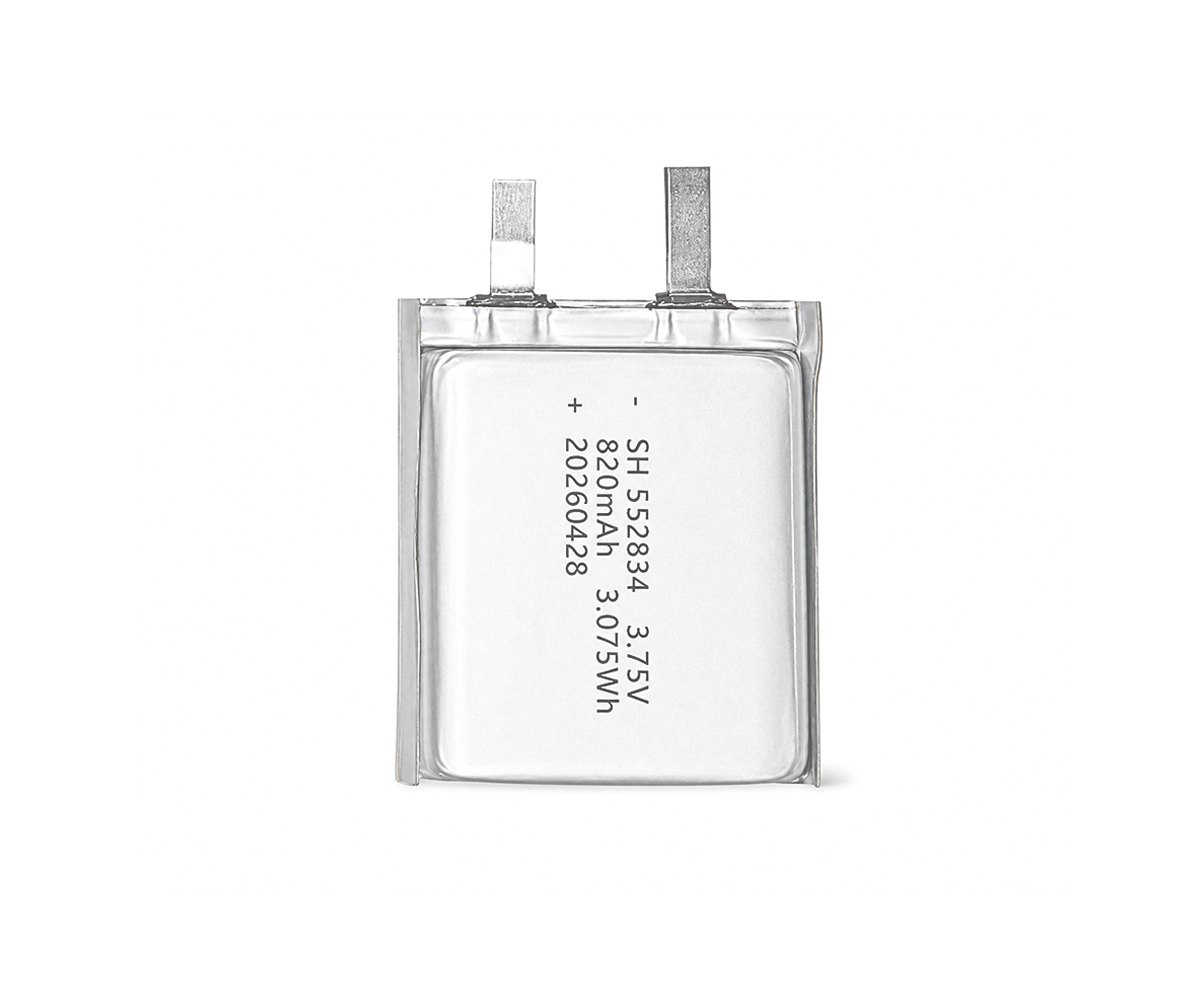
End-of-life management is moving from a secondary concern to a core requirement, as regulators around the world build out battery recycling obligations.
What the Rules Are Aiming At
Emerging policy frameworks encourage producers and importers to take responsibility for spent batteries, supporting collection, sorting and material recovery. The goal is to reduce waste, recover valuable metals and feed recycled materials back into production rather than sending them to landfill. These frameworks are being phased in gradually, but their direction is already clear to the whole supply chain.
How Makers Respond Early
Forward-looking designers already consider recyclability at the drawing stage: choosing easier-to-disassemble pack structures, avoiding mixed materials and labeling the chemistry clearly. Even before full implementation, these choices lower compliance cost and improve standing with environmentally conscious buyers, while also simplifying later service and repair.

A Maturing Circular Chain
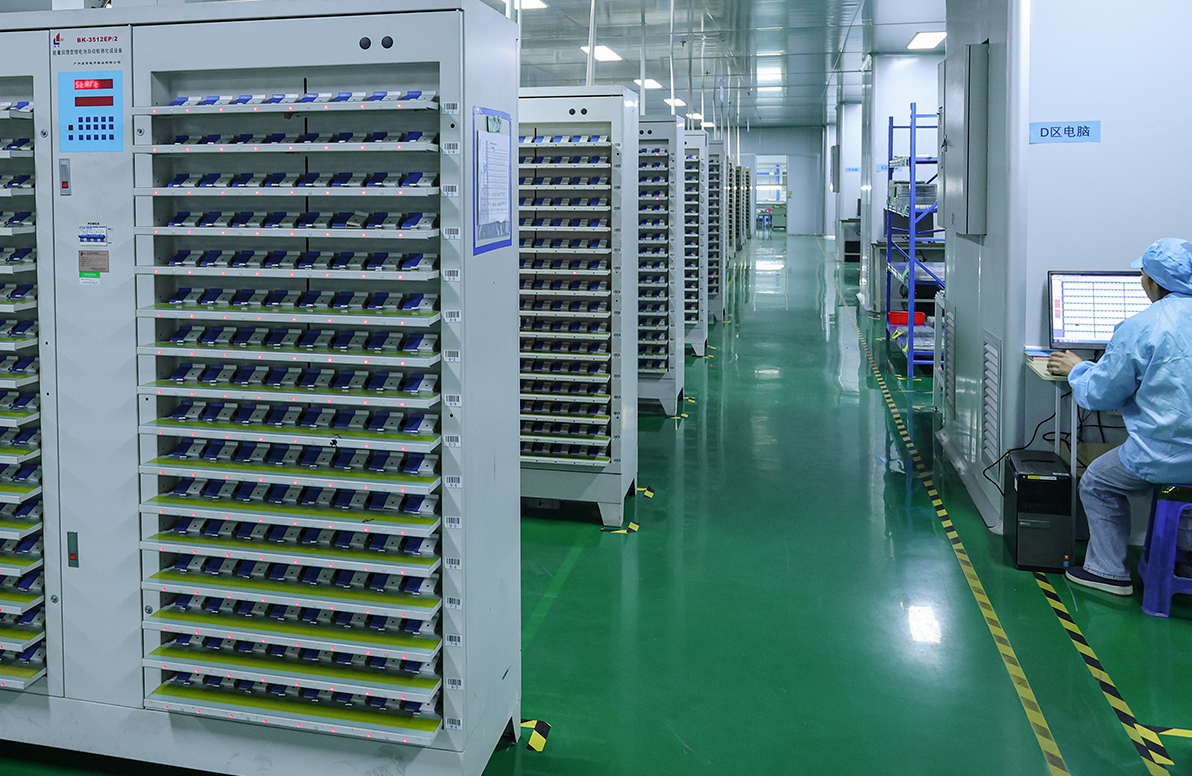
The recycling ecosystem itself is still developing, with collection networks and recovery capacity being built out. Over time, expect tighter documentation requirements and clearer extended-producer-responsibility rules that make traceability a normal part of doing business. For end users, clearer labeling and take-back channels will eventually make responsible disposal as routine as charging.