

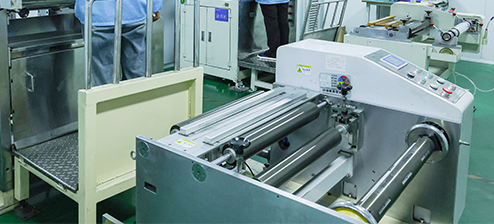
As battery technology settles on the surface, the real competition is moving back to people, laboratories and long-term research programs.
Why R&D Intensity Matters
Cell chemistry, pack design and battery management are all fields where small engineering advantages compound over years. Makers that keep investing in pilot lines, testing equipment and material studies can iterate faster whenever customers demand higher density, faster charging or wider temperature operation.
The Talent Side
Modern battery development draws on electrochemistry, mechanical engineering, embedded software and quality control. Retaining cross-functional teams and giving them room to experiment is as important as buying equipment. Companies that treat R&D as a continuous capability rather than a one-off project budget tend to ship more reliable custom solutions.
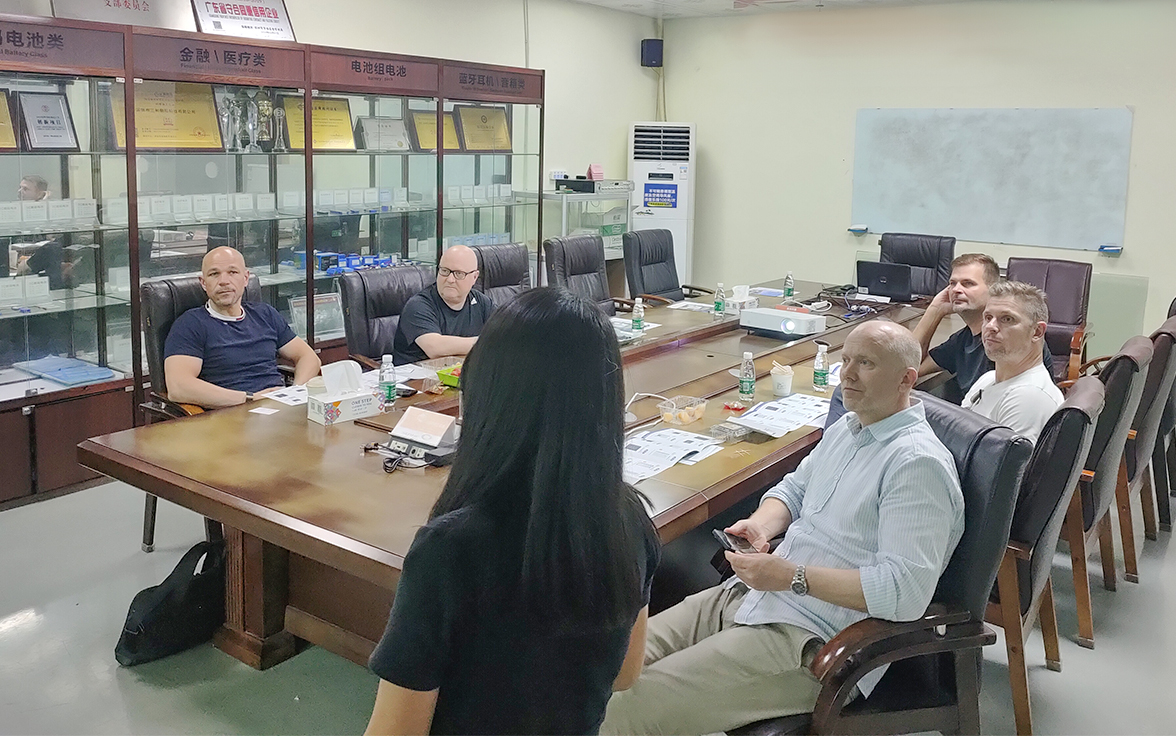

The Outcome for Customers
For buyers, the practical result is a supplier that can translate an application requirement into a tested, certified design instead of simply reusing a standard cell. In the long run, technical depth rather than price alone decides who wins the most demanding and most valuable projects. The makers who invest in people and labs today are the ones best positioned for the projects of tomorrow.