

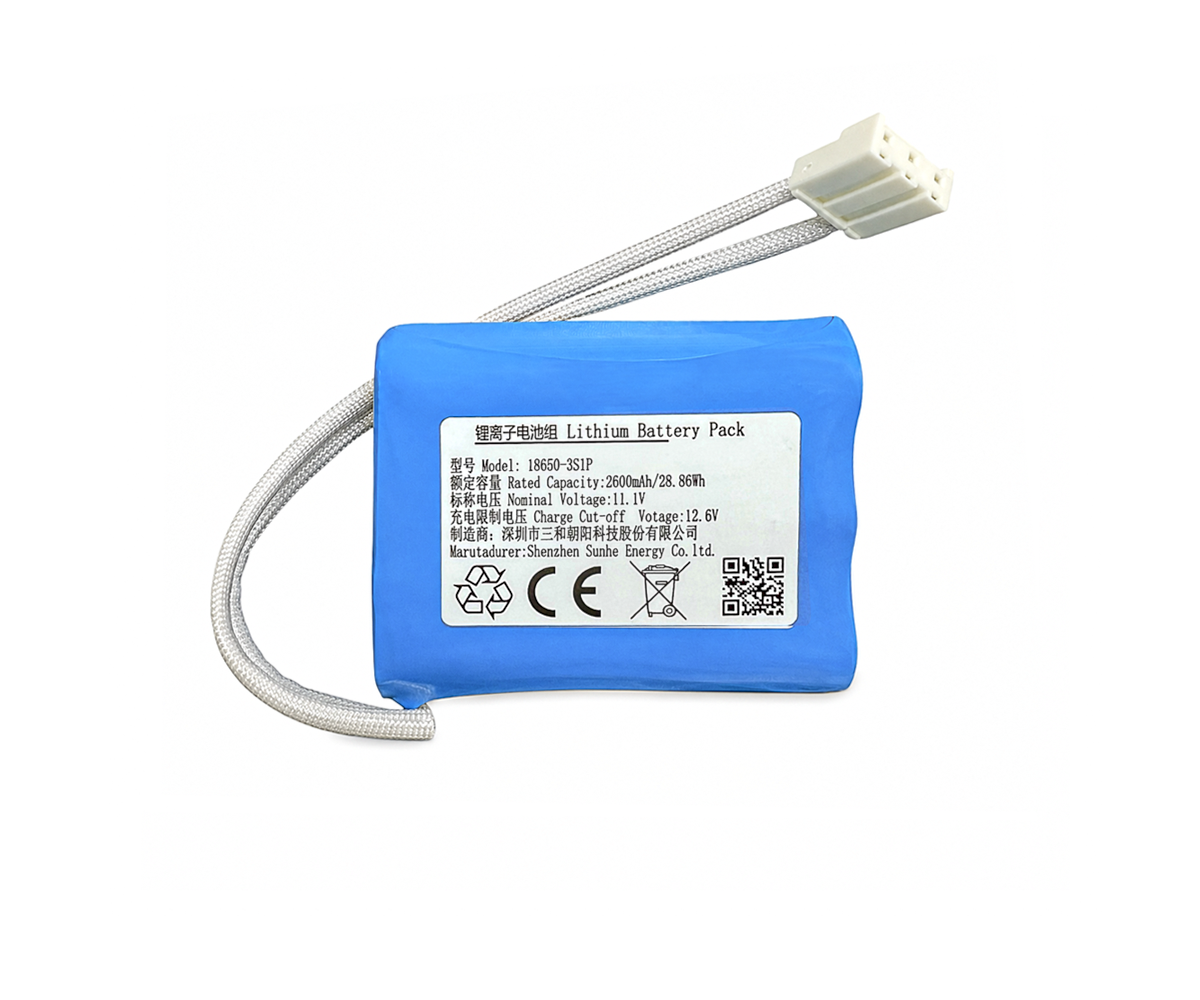
As lithium battery packs move outdoors, into tools, vehicles and wearables, ingress protection has become a baseline design requirement rather than an optional extra.
What IP Ratings Actually Mean
The Ingress Protection (IP) code uses two digits after the letters IP: the first measures protection against solid particles such as dust, and the second measures protection against liquids such as water jets or temporary immersion. Higher digits indicate greater protection, and buyers typically specify a target class early in a project so that the enclosure, connector and vent designs can align from the start.
Where Water and Dust Actually Get In
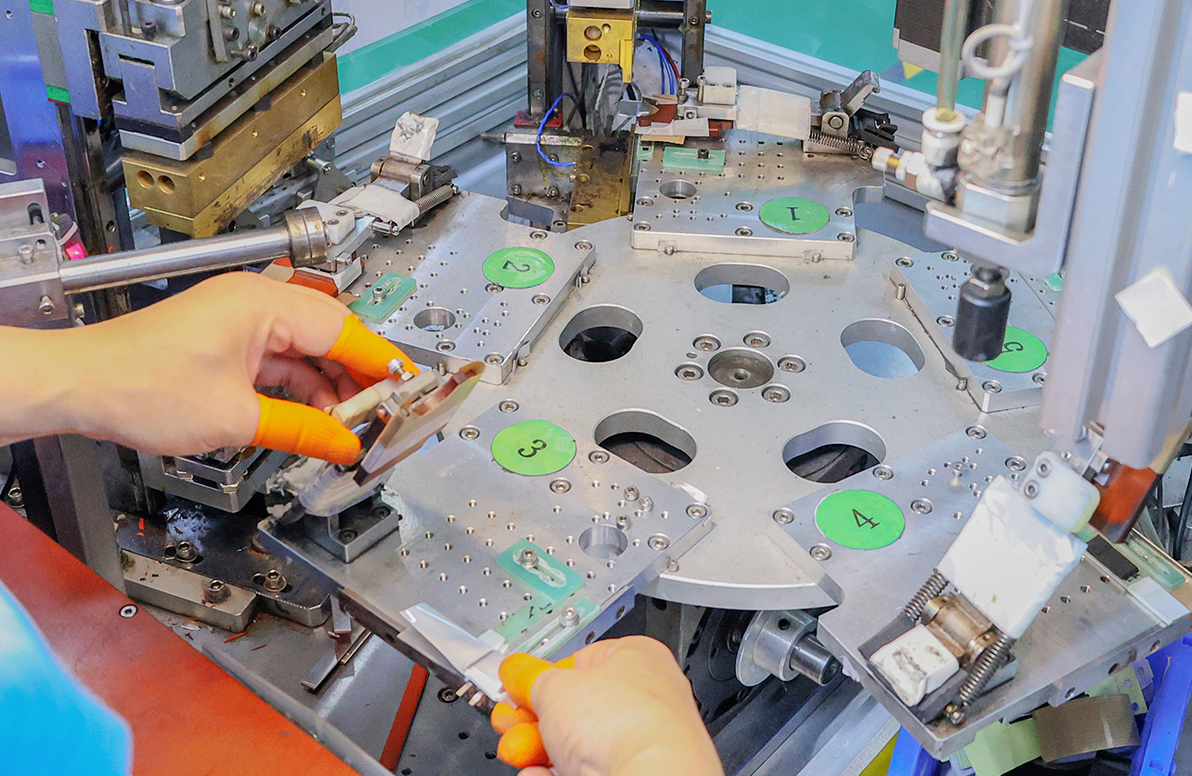
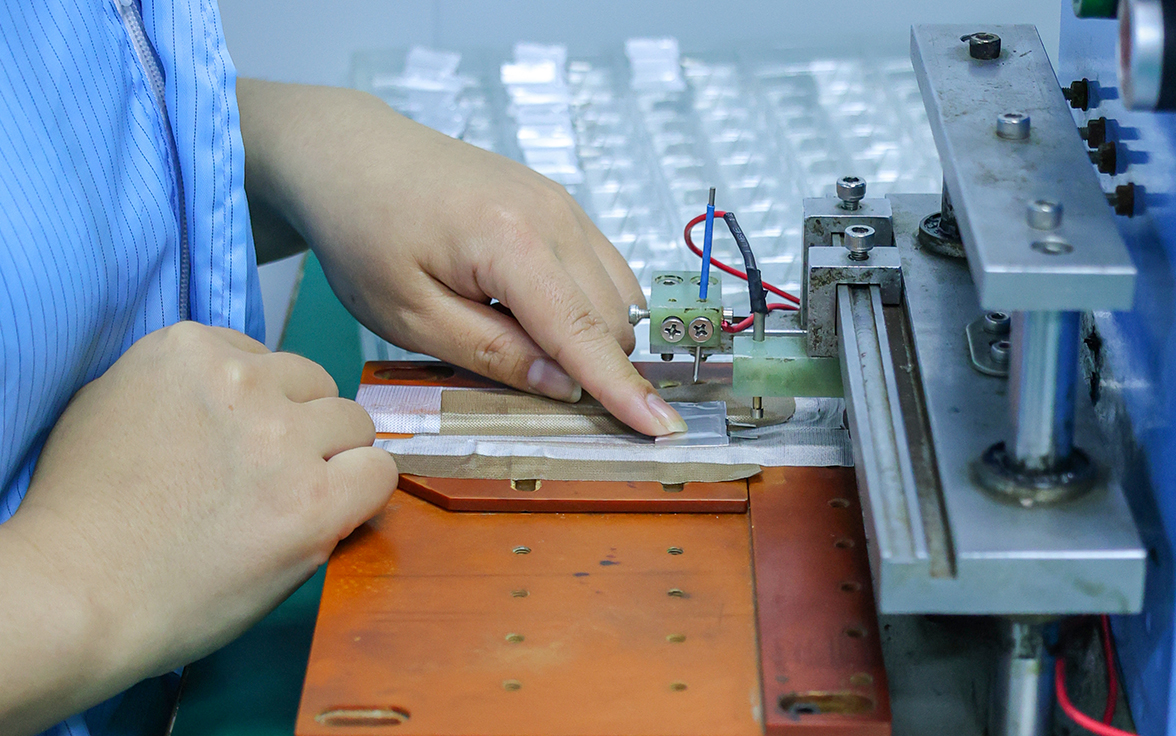
In practice, the weak points of a pack are not the sealed cells themselves but the seams, connectors, charging ports and pressure vents. Designers rely on welded housings, gaskets, potting and vent membranes to keep contaminants out while still allowing internal pressure to equalize during charging and altitude changes.
The Design Trade-offs
Higher protection usually means more sealed joints, heavier housings and stricter assembly control, which raise cost and complicate heat dissipation. A well-engineered pack balances water and dust protection against thermal performance, serviceability and weight, matching the rating to the real environment instead of simply chasing the highest code.