
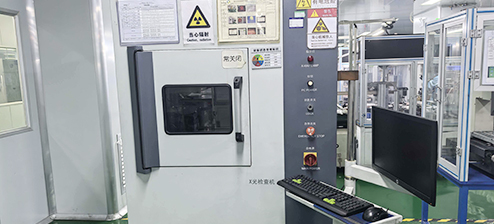
Batteries are not inert on a shelf. They slowly lose charge over time, and the way they are stored decides whether they arrive ready to use or already degraded.
What self-discharge does
Even without a load, a lithium cell gradually loses charge through internal side reactions. A healthy cell self-discharges slowly, but heat, age and poor storage can accelerate it. If a battery sits deeply discharged too long, it can drop below a safe level and become harder or impossible to recover.
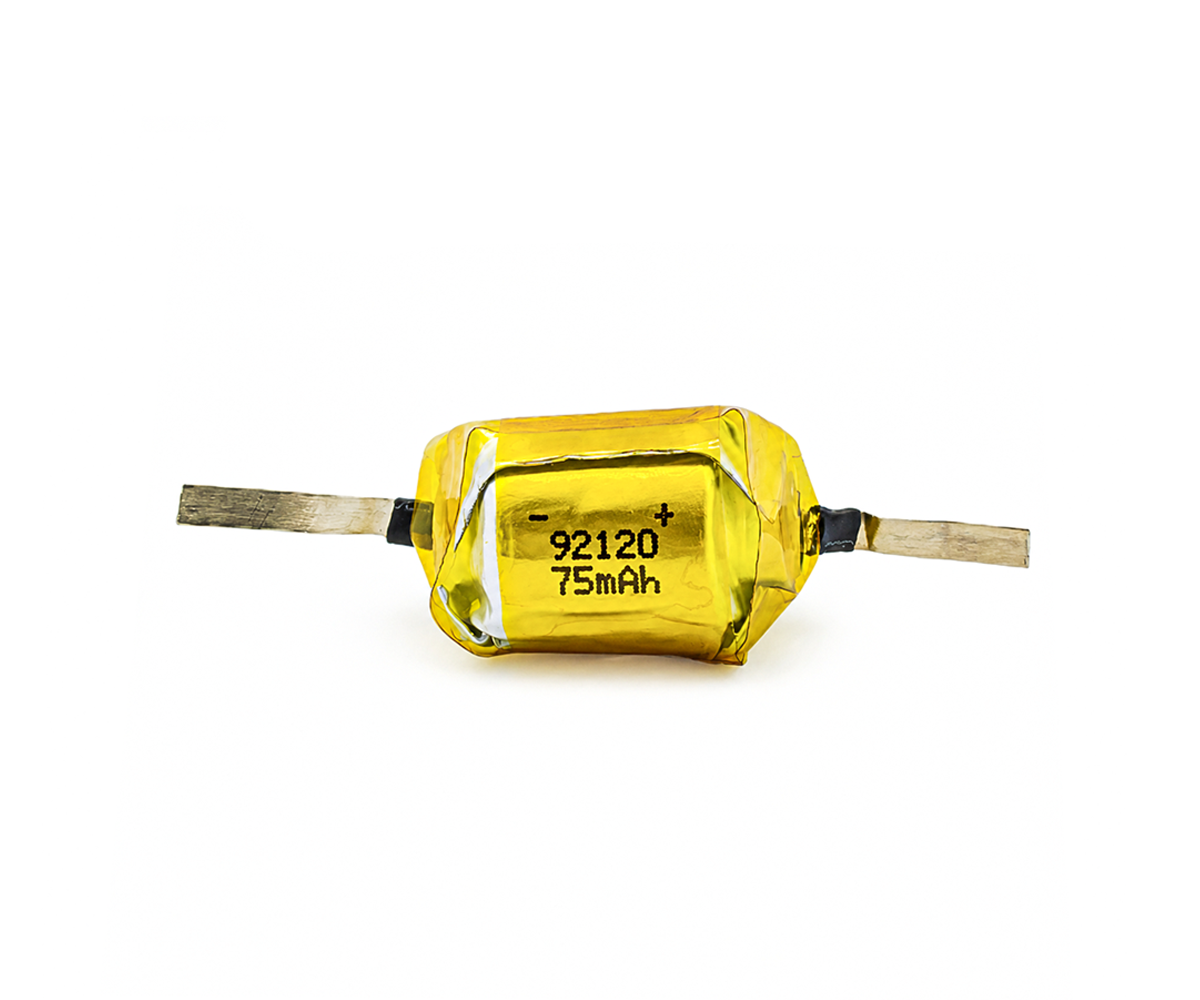
The right storage state
Industry practice is to store lithium cells at a moderate state of charge, in a cool, dry place, rather than fully charged or fully empty. This balances shelf life against the risk of overdischarge during long inventory periods. Controlled temperature is especially important, because warmth speeds up aging reactions.
Inventory and shipment discipline
Good warehousing means rotating stock, monitoring stored packs and shipping at a sensible charge. For international transport, batteries also need to meet shipping safety rules. Managing storage well is therefore as much about protecting long-term performance as it is about logistics.