

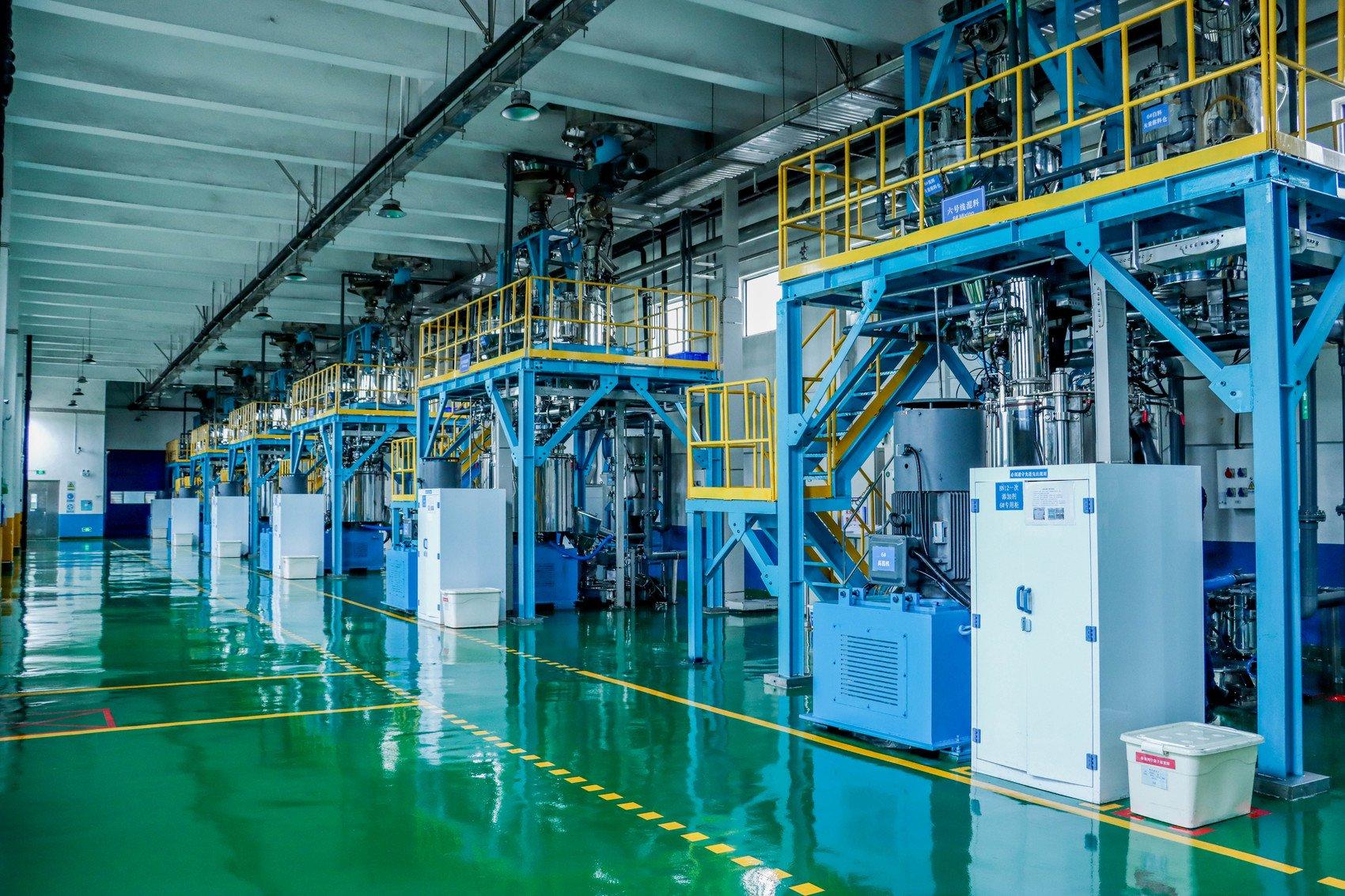
The low-altitude economy, including electric vertical take-off aircraft, places some of the hardest demands ever placed on a battery, because flight rewards every gram.
Why aviation is so demanding
In ground applications, extra battery weight is a cost. In the air, extra weight directly cuts payload and range. Electric aircraft therefore need cells with very high energy density, yet they also cannot compromise on safety, since a fault at altitude has little margin. This tension is the central engineering challenge.
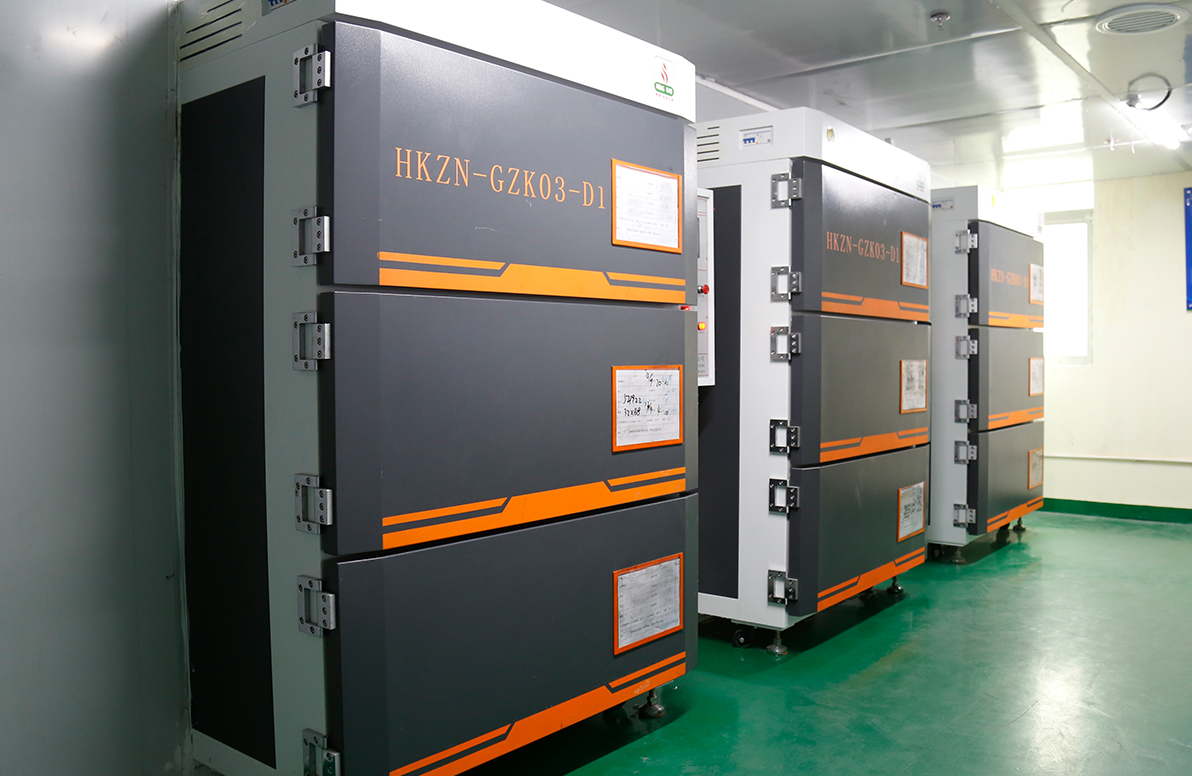
Safety as a first-class requirement
Aviation-grade expectations mean rigorous thermal design, careful cell matching and robust protection systems. Even as energy density is pushed upward, manufacturers must control heat, swelling and abuse behavior. This tends to favor advanced chemistries and conservative system engineering over aggressive spec chasing.
What it means for the industry
eVTOL is still emerging, but its requirements act as a forcing function for better cells. Technologies developed for flight tend to lift the whole industry, while the long certification path reminds everyone that safety and reliability must mature in step with energy density.

For suppliers, the lesson is that aviation-grade work demands deep collaboration on design, testing and traceability. It is a demanding niche, but one that pushes battery technology upward in ways that eventually benefit more mainstream applications as well.