

Portable energy storage has moved far beyond camping, becoming a familiar backup power source for outdoor work, recreation and home emergencies.
What drives demand
Users want a battery they can carry, charge once, and power laptops, small appliances and lights without fixed installation. The appeal is flexibility: a single unit that handles outdoor trips today and home backup tomorrow. This broad use case is what turned portable stations into a fast-growing consumer category.
Capacity, safety and price
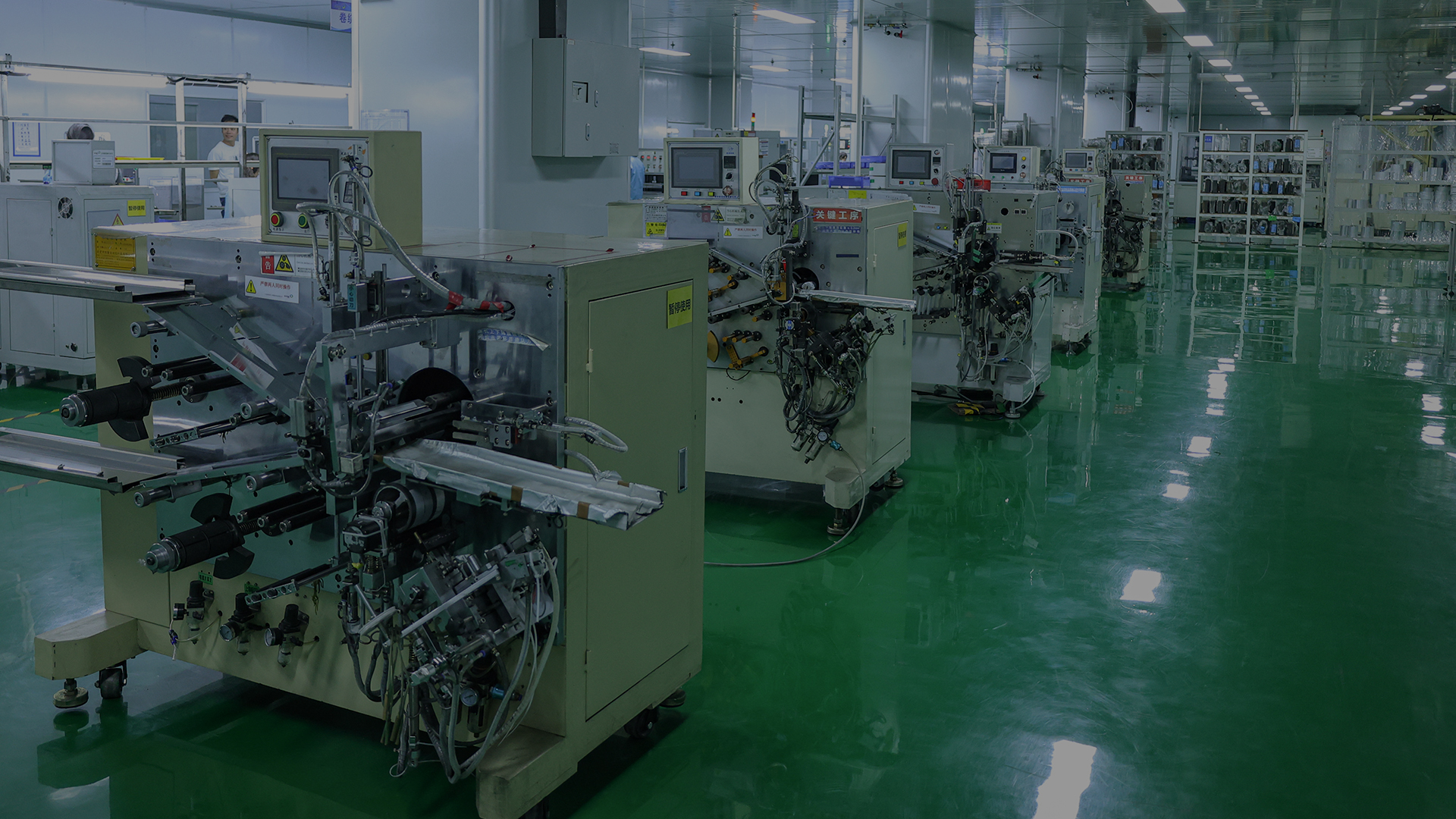
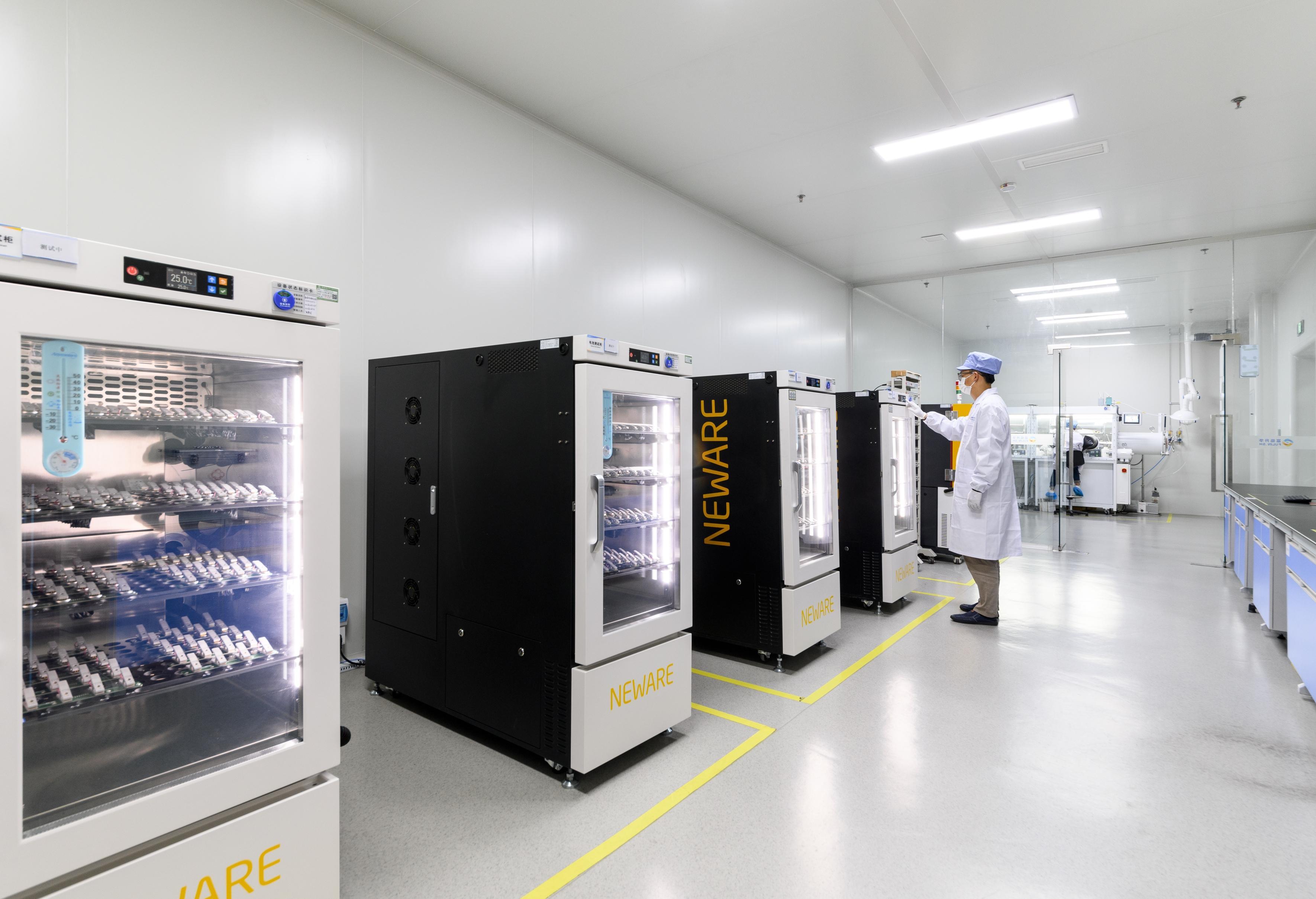
As more brands enter, competition centers on usable capacity, output ports, recharge speed and safety. Lithium iron phosphate chemistry is widely favored for its stability and longer cycle life, which buyers increasingly associate with dependable backup. Price pressure is also intense, pushing makers to optimize pack design and sourcing rather than compete only on specs.
Where the market is heading
The trend is toward clearer product segmentation, with lighter units for everyday carry and larger units for serious backup. Differentiation increasingly comes from reliability, thermal design and real-world runtime rather than headline numbers alone.
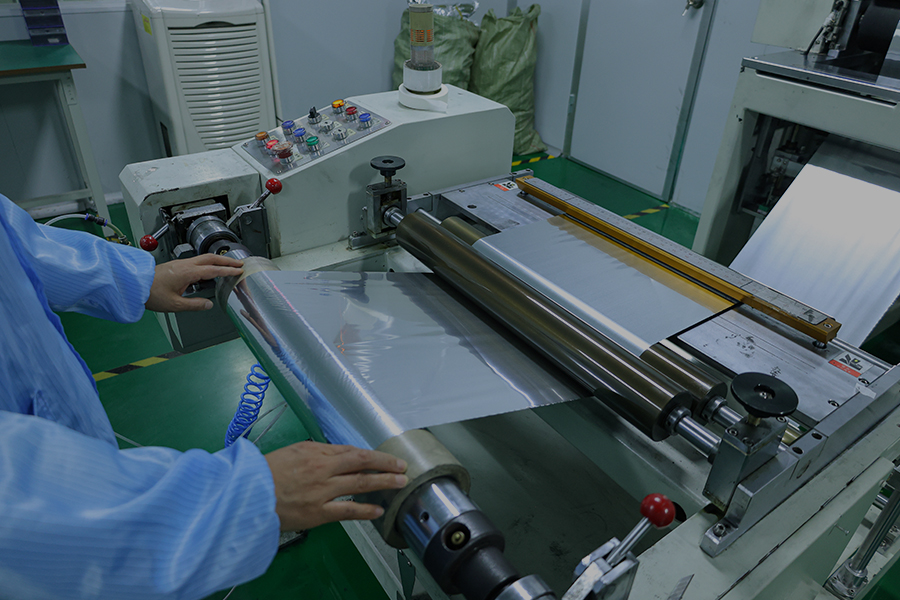
Competition is also pushing better safety and smarter power management, as users expect a portable station to handle sensitive electronics safely. The category is no longer just about how many watts a unit can output, but about how dependable it is when it is actually needed.