

Battery swapping and leasing are changing how electric two-wheelers are used, especially in delivery and commuting, where downtime and upfront cost matter most.
Why swapping gains interest
For busy riders and fleets, waiting to recharge is lost working time. Swapping lets a rider exchange a depleted pack for a charged one in minutes, keeping vehicles on the road. Leasing the battery separately also lowers the upfront cost of the vehicle and shifts responsibility for aging cells to the operator.
The link to standardization
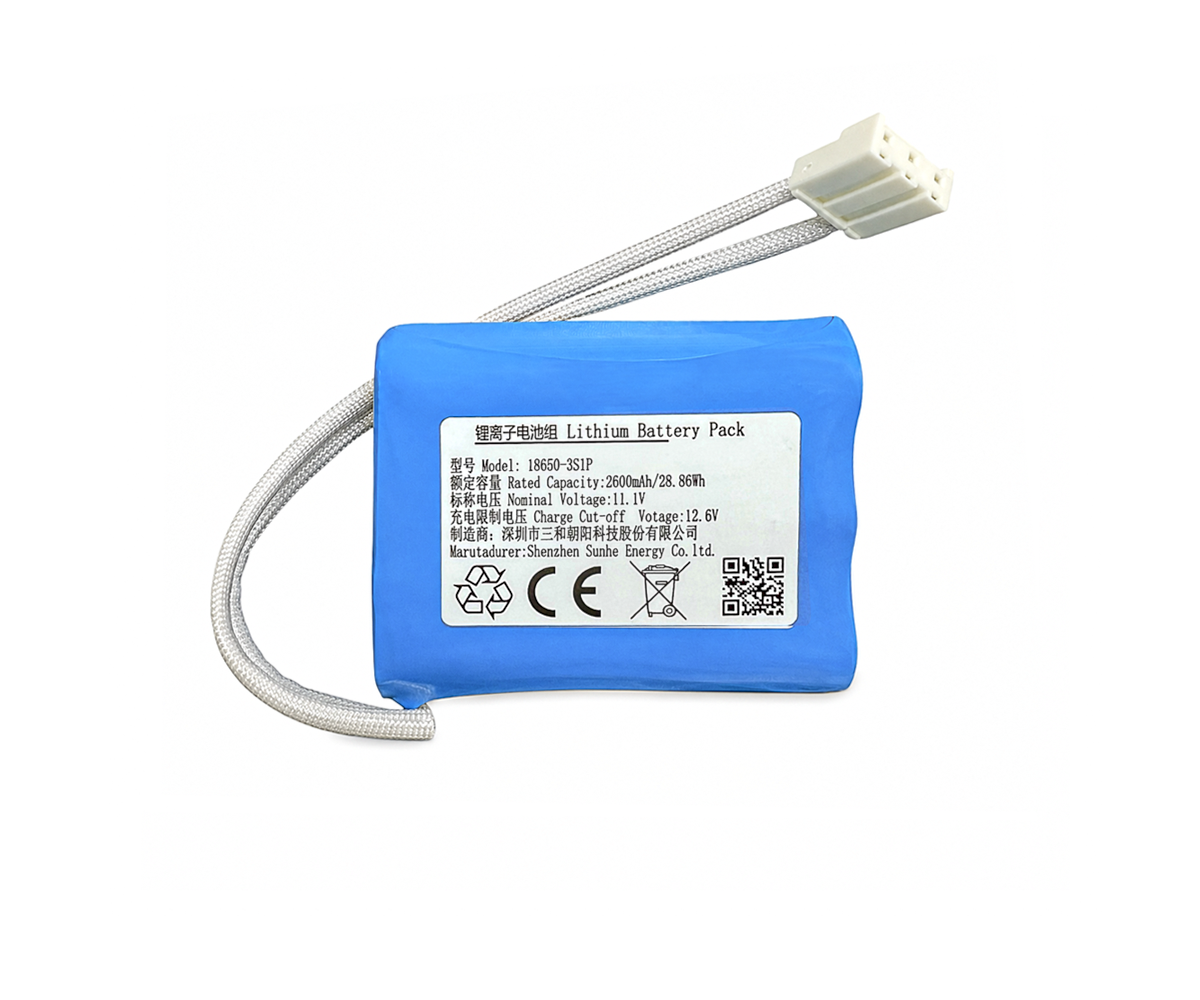
Swapping only works smoothly when packs share a common form, voltage and interface. This pushes the industry toward more standardized battery modules within an operator network, even if it does not yet mean universal cross-brand compatibility. Standardization also simplifies maintenance and gives operators better control over how packs are cycled and stored.
Implications for cell design
Fleet and swap use favors batteries that tolerate frequent charging, deep daily use and repeated handling. Safety, durability and predictable cycle life become more important than squeezing the last bit of capacity. As these models expand, they quietly influence what kind of cells the market needs.