


Cylindrical, prismatic and pouch cells each suit different jobs, and the choice remains driven by the application.
Cylindrical: robust and standardized
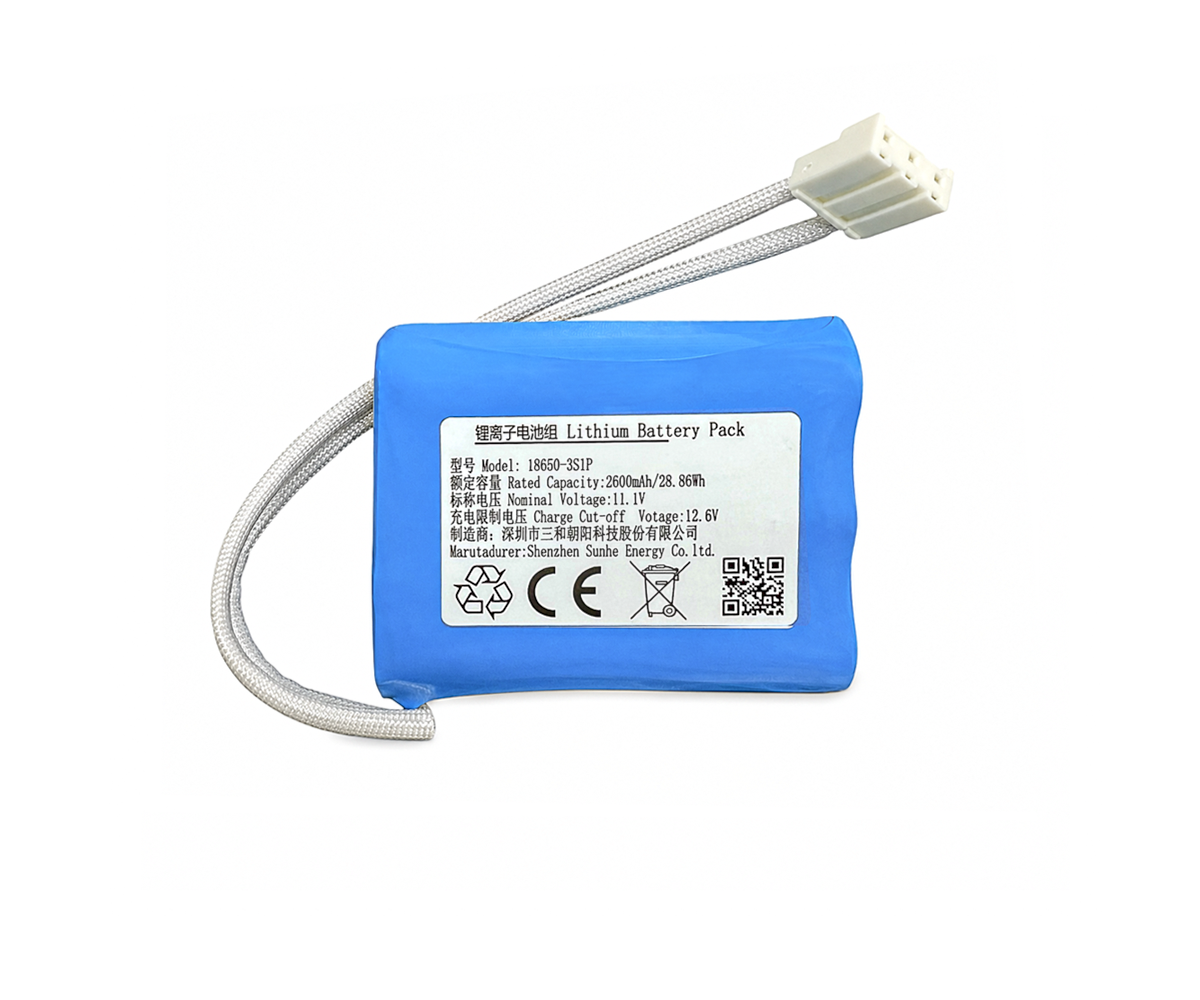
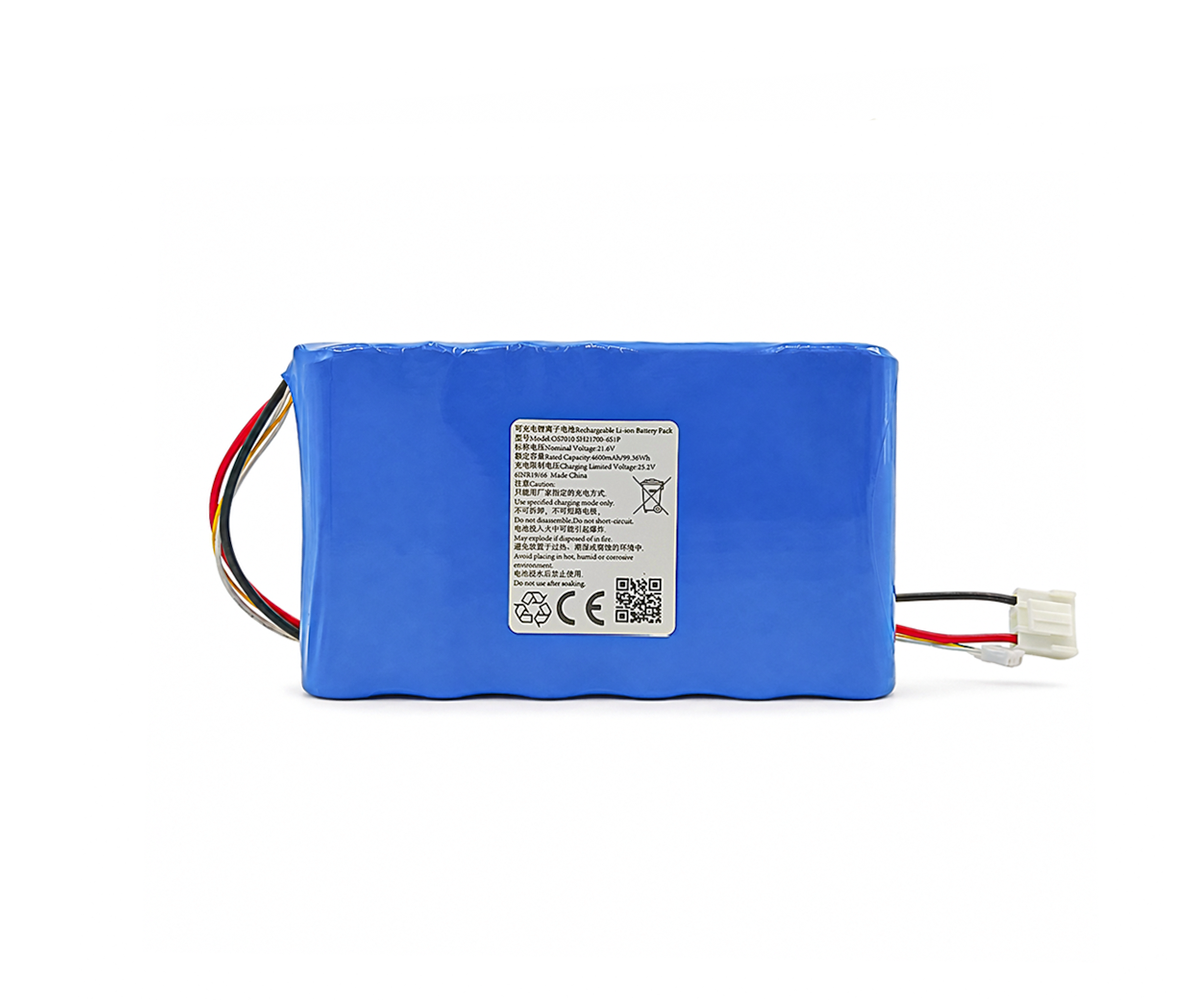
Cylindrical cells offer a proven, standardized form factor with strong mechanical consistency and easier thermal management. They are widely used in power tools, electric two-wheelers and energy storage, where robustness and ease of packing matter more than custom shaping. Their rigid format also simplifies safety design around the cell can.
Prismatic and pouch: space and shape
Prismatic cells pack energy efficiently into rectangular hard cases and are common in larger battery systems. Pouch, or soft-pack, cells are lighter, thinner and can be shaped to fill irregular spaces, which makes them a natural fit for wearables, earphones and slim consumer electronics. Each form trades off thickness, weight, packaging and swelling management differently.
No single winner
Rather than one form factor dominating, the market continues to split by use case. Cylindrical stays strong where standardization and durability win, pouch where thinness and custom geometry win, and prismatic where dense, large-format packing wins. The choice is increasingly a system-level decision rather than a cell-level preference.