

The spread of magnetic wireless charging is reshaping how portable power banks are designed, carried and used.
From generic bricks to attachable companions
For years, power banks were treated as generic blocks tucked into a bag. Magnetic ecosystems turn them into attachable companions that snap onto the back of a phone, forming a single slimmer unit. This shifts the design priority from raw capacity toward thinness, balanced weight and reliable magnetic alignment. Users increasingly want enough endurance for a day rather than the largest possible pack, so vendors optimize dimensions instead of simply pushing milliamp-hours higher.
What it means for the cells inside
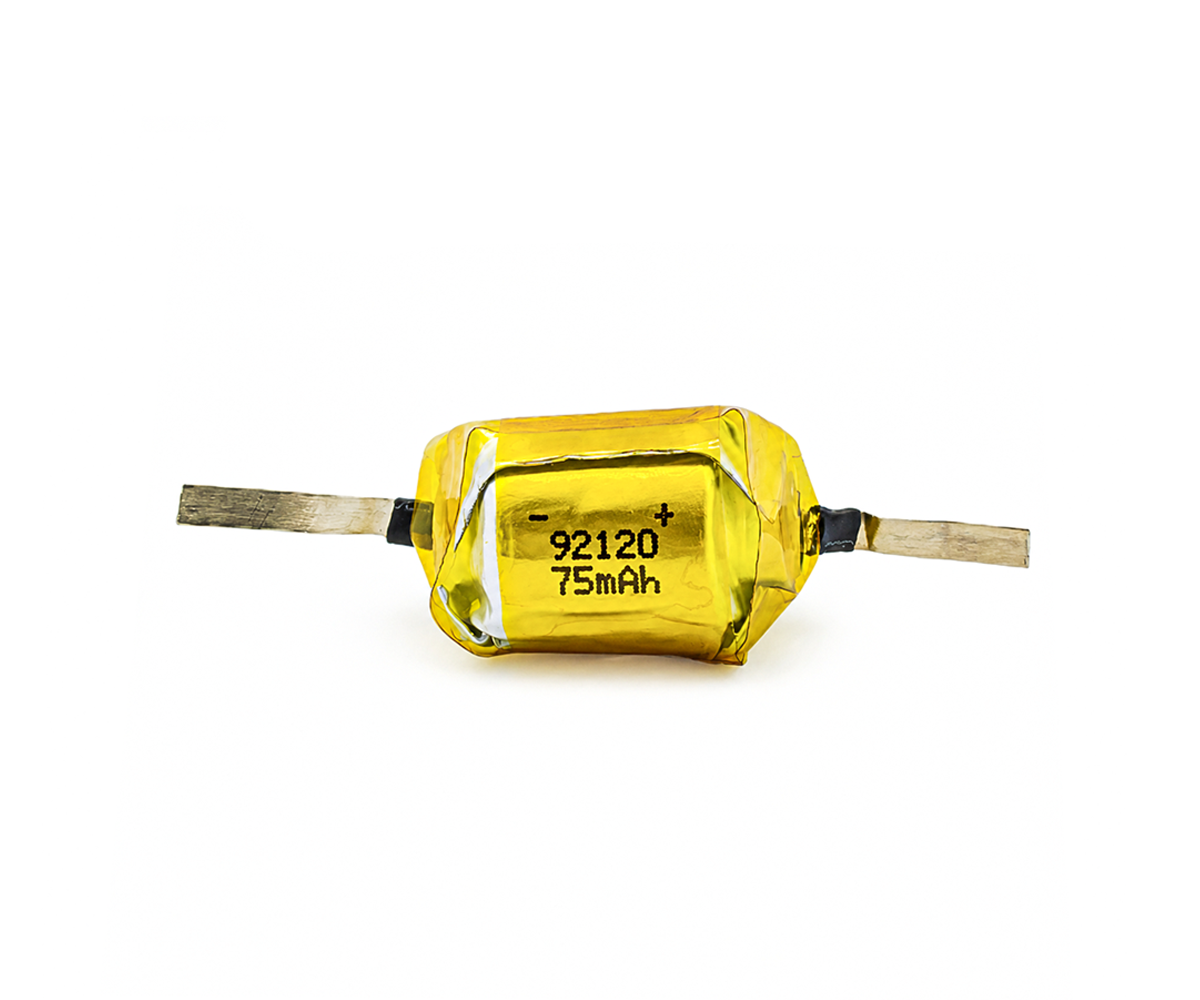
Inside these slim attachable packs, pouch polymer cells are favored because they can be shaped thin and curved to follow the phone's outline. Wireless charging adds conversion loss and heat, so thermal design and cell selection matter more than in a wired-only bank. Makers balance energy density, cycle life and temperature control rather than chasing peak capacity at any cost.

Outlook
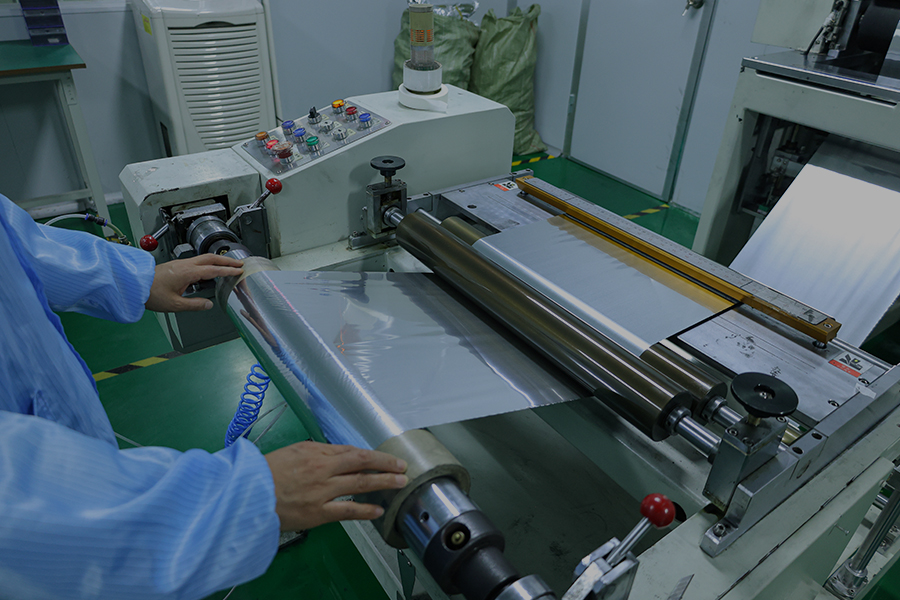
As magnetic charging becomes a standard accessory category, expect closer integration between phone cases, mounts and battery packs, with cells engineered for low-profile, high-efficiency wireless use. The trend favors manufacturers that can deliver custom-shaped, thermally managed packs over one-size-fits-all cylindrical blocks.