Payment terminals, handheld scanners and card readers have to disappear into a pocket or sit on a counter, yet stay awake and ready to complete a transaction at any moment. That combination defines the battery challenge for fintech terminals.
Slim Enclosures, Tight Energy Budgets
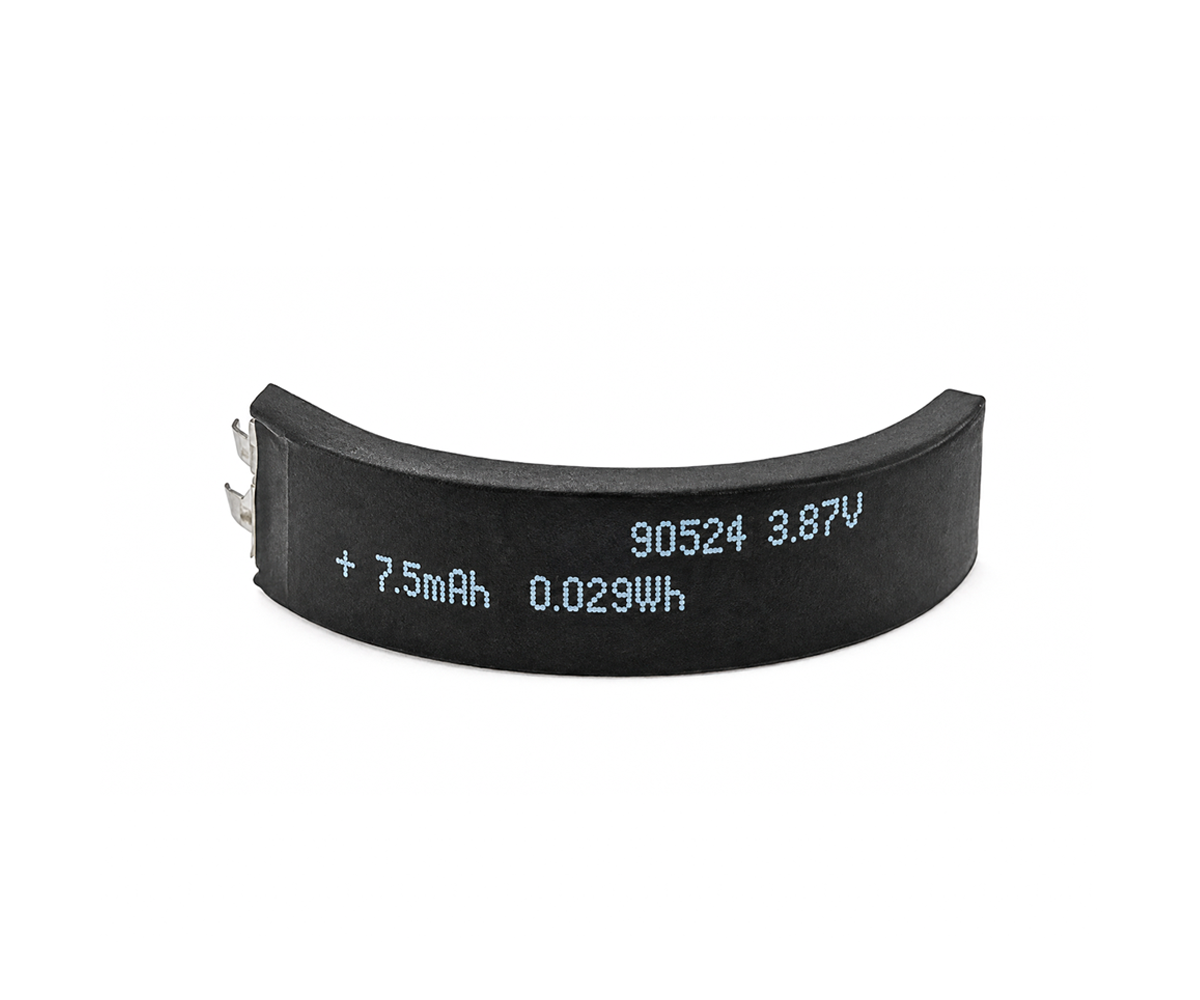
Modern handheld terminals favor thin, light housings, which calls for slim pouch cells shaped to fill every available millimeter around the PCB, keypad and antenna. There is little room for a large battery, so energy must be packed efficiently without sacrificing the protection and stability a payment device requires. Shape optimization and flexible packaging often matter as much as the chemistry itself.
Standby and Cycle Realities
A terminal spends most of its time in deep sleep, waiting for a card or a tap, then briefly bursts to full power to process and transmit. Designers therefore optimize for very low standby current and predictable burst behavior rather than continuous high load. Recharge cycles are frequent but shallow, so long-term capacity retention and reliable charging become key purchasing criteria for fleets of devices deployed across stores and restaurants, where a dead terminal directly blocks sales.