
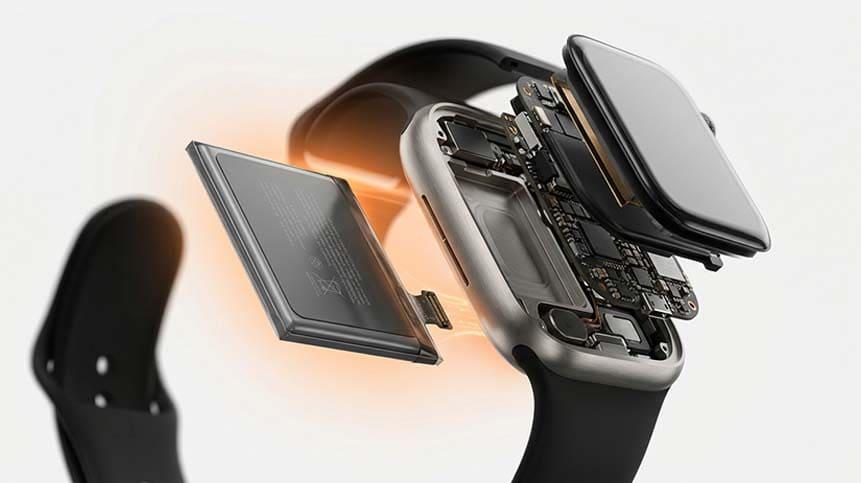
The battery industry is shifting from a take-make-use model toward one that treats spent cells as a valuable resource. With the first large generation of lithium batteries now reaching retirement, end-of-life is becoming a strategic opportunity.
Why Second-Life Makes Sense
Batteries that no longer meet the demands of vehicles often still hold substantial capacity for gentler stationary duties. Repurposing them for storage extends value and delays the energy cost of recycling. A graded second-life stage can keep cells working for many additional years before they are finally recovered.
Recycling the Materials
When cells finally retire, recovering lithium, nickel, cobalt and copper reduces dependence on virgin mining and closes the materials loop. Industry methods are steadily becoming more efficient and less energy-intensive. Consistent recovery rates also feed cleaner, more traceable supply chains for new cells.
Infrastructure and Standards
Scaling this track needs standardized collection, safe transport, sorting infrastructure and clear quality rules for reused packs. Policy and market dynamics are pushing the whole ecosystem toward more circular practices. As regulations mature, recycling and reuse will move from optional extras into baseline expectations.