

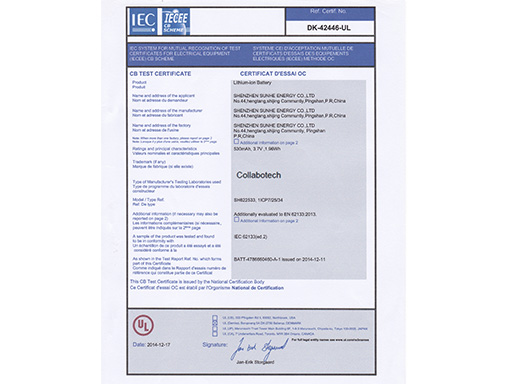
As packs grow in capacity and energy, preventing thermal runaway has become a multi-layer engineering discipline. No single safeguard is enough; safety is built into materials, structure and control software at every level.
Starting at the Cell
Safety begins inside the cell. Stable materials, shutdown separators, pressure vents and carefully controlled charging reduce the chance that a local fault escalates into a self-heating chain reaction. These first-line defenses aim to catch or suppress an incident before it ever reaches the pack level.
Pack-Level Isolation
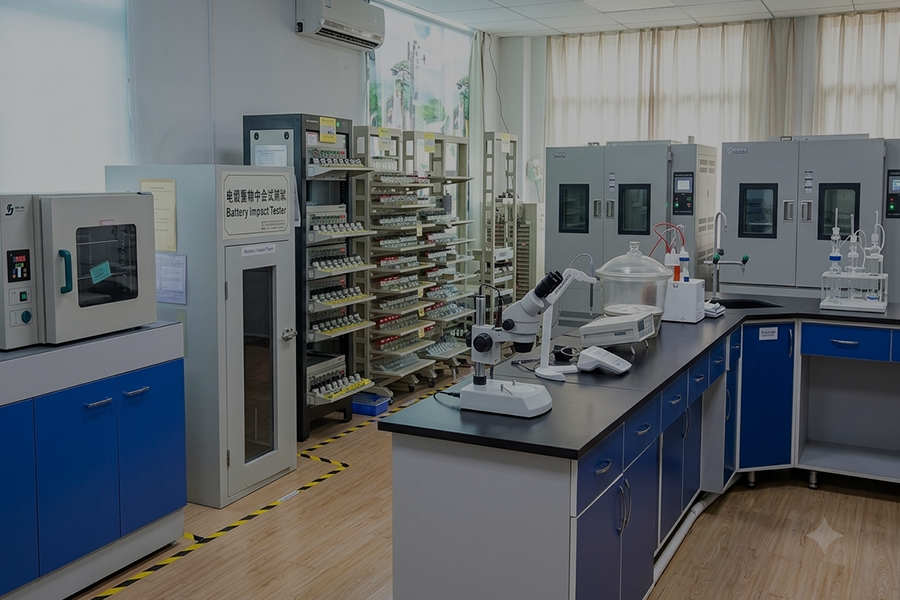
Even robust cells benefit from pack design that contains incidents. Heat-dissipating structures, flame-retardant barriers and directed venting pathways help isolate a single cell event so it does not propagate to neighbors. Containment is a pragmatic acknowledgment that rare faults will occasionally occur.
A System Mindset
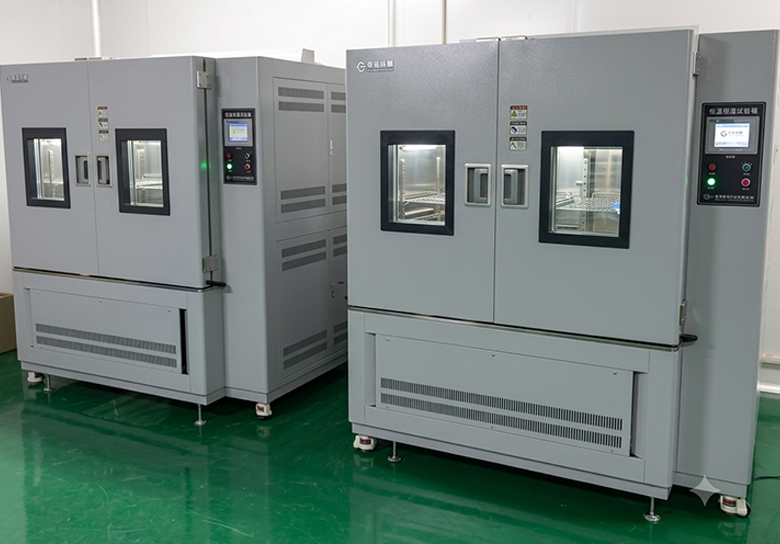
Modern safety is a system. Battery management, sensors and mechanical design work together to detect warning signs early, buy time for shutdown and protect users even when something goes wrong. Continuous monitoring of voltage, current and temperature allows the BMS to intervene before conditions become critical. As packs grow denser and applications demand longer service life, this layered approach is becoming the industry baseline rather than an optional extra. Designers increasingly treat safety validation as a continuous process, refining materials and structures as more real-world operating data comes in.