


Industrial, outdoor and aerospace applications often push batteries far beyond the room-temperature conditions under which they are normally rated. Designing a cell that stays useful across a wide temperature band is a distinctive engineering challenge.
The Cold-Weather Problem
At low temperatures, electrolytes become viscous and ion movement slows, slashing available capacity and cranking power. Formulators use tailored solvent blends and additives to keep conductivity high when the mercury drops. Without these changes, a battery that works well indoors can struggle in winter outdoors.
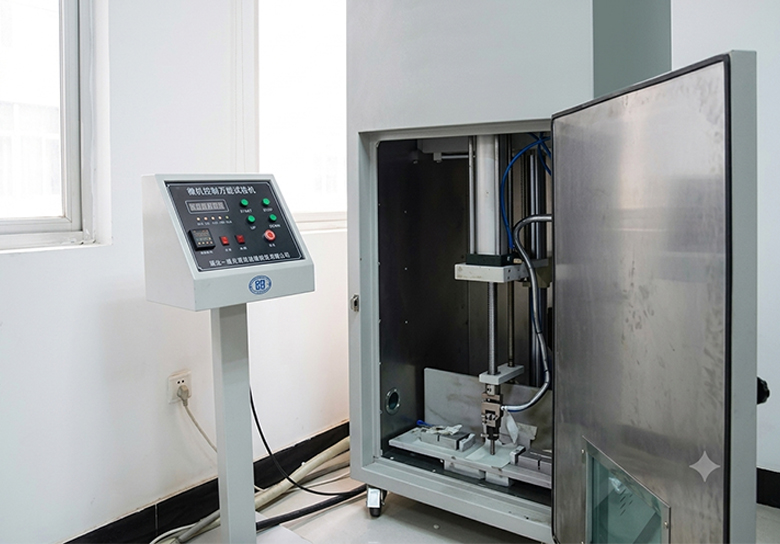
Surviving High Heat
Heat is equally punishing. It accelerates side reactions, dries out electrolytes and ages the cell faster. Wide-temperature designs rely on stable electrode interfaces, heat-resistant separators and packs that can shed or insulate heat as needed. The goal is to slow degradation at both ends of the operating scale.
Engineering Trade-offs
There is no free lunch. A chemistry tuned for extreme ends may sacrifice some room-temperature energy density or cycle life. The art is matching the cell to the real operating envelope of the device rather than over-designing for conditions it will rarely see. Application-specific tuning is what delivers dependable wide-temperature performance.