


Consumers want shorter charging stops, and the industry is responding by optimizing the whole charging chain rather than a single spec. The fastest charge is the one that does not quietly damage the battery over time.
Beyond Raw C-Rates
Pushing charge current higher only works if the cell can accept it. Electrolyte formulation, electrode design and anode chemistry are tuned to resist lithium plating, the main cause of fast-charging degradation and safety risk. Avoiding plating is the central engineering trade-off behind every advertised charging speed.
The Role of Thermal Management
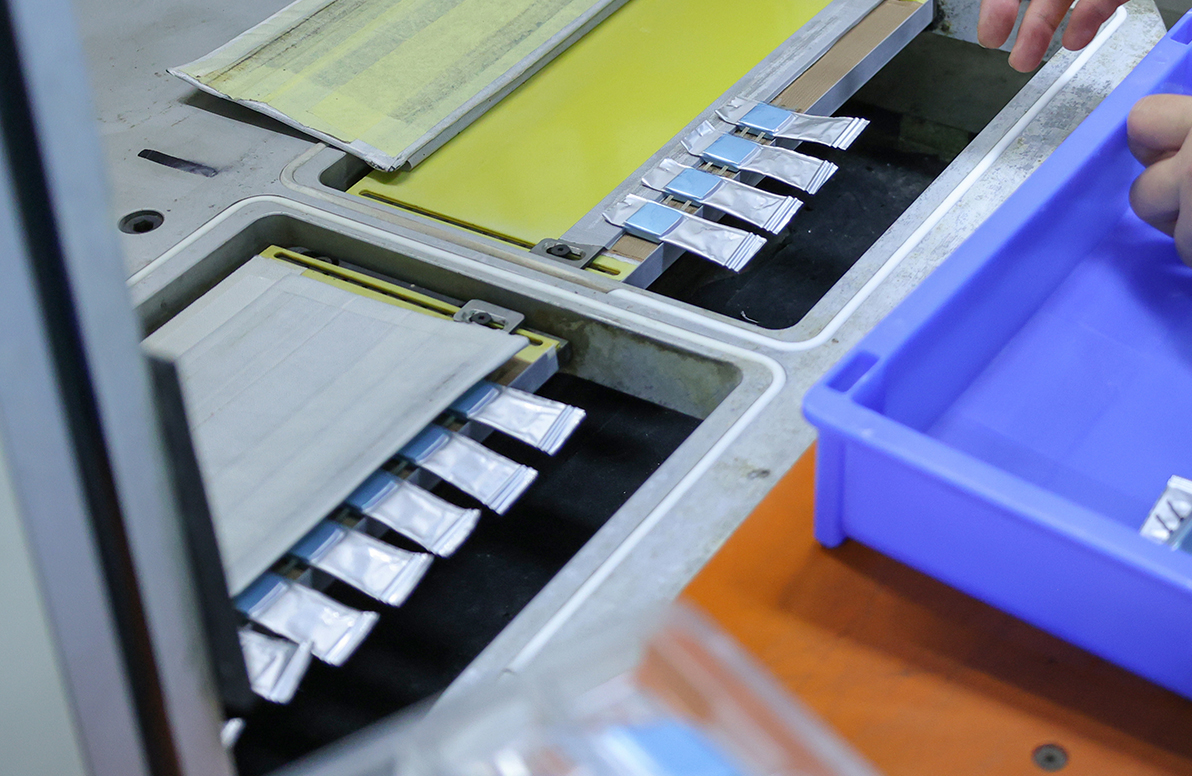
Temperature is the hidden variable. Cells charge best within a controlled window; too cold and plating rises, too hot and aging accelerates. Modern systems use active warming and cooling to keep the pack in its optimum range throughout a charge session. Preheating before a fast charge often matters more than the peak current itself.

Protocol and System-Level Gains
Faster, smarter charging is increasingly a system conversation between the device, the charger and the battery management system. The BMS adjusts current dynamically based on real-time temperature, state of charge and cell health to protect longevity while minimizing downtime. This adaptive approach is what makes repeated fast charging sustainable.