

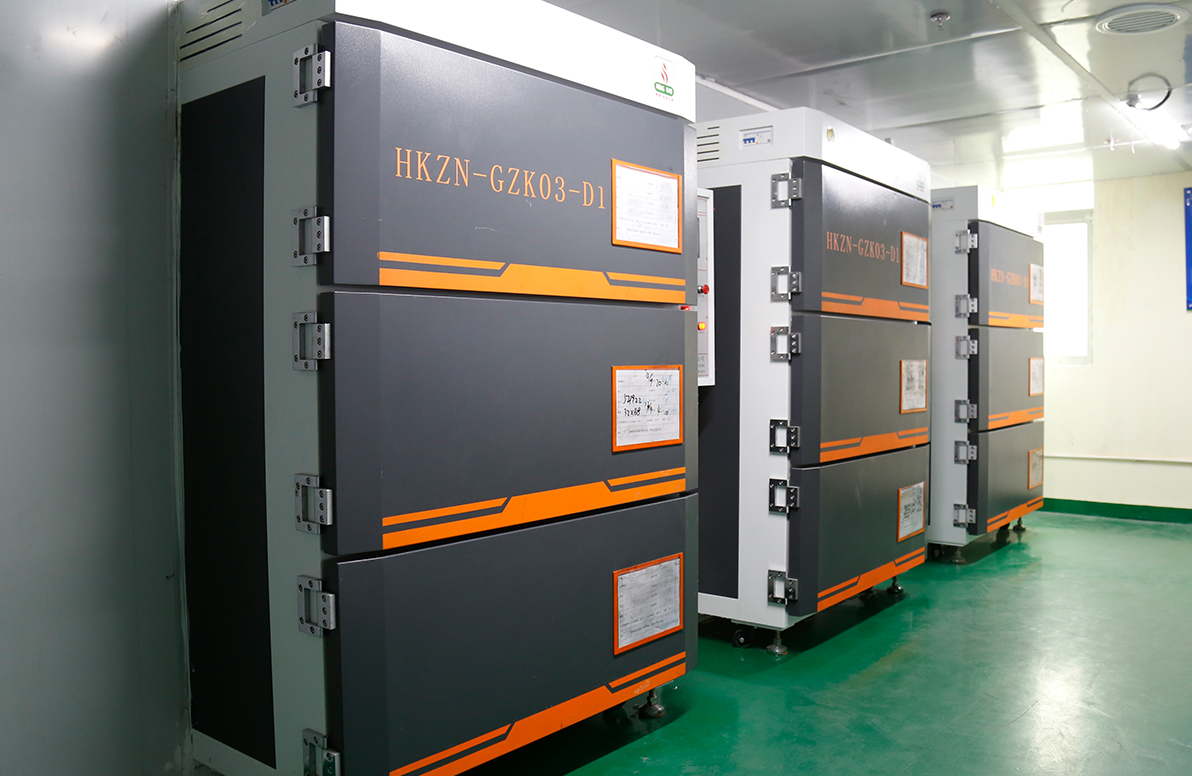
From power tools to drones, devices that demand bursts of power are pushing high-rate battery design to its limits. A high-rate cell must deliver large currents on demand without overheating, sagging in voltage or aging prematurely.
Materials and Electrode Design
Delivering high current starts inside the cell. Thinner electrodes, higher-rate active materials and optimized porosity shorten ion pathways and lower internal resistance, so the cell can accept and release power quickly without excessive voltage drop. Even small gains in internal resistance translate into noticeably more usable power under load.
Structure and Current Collection
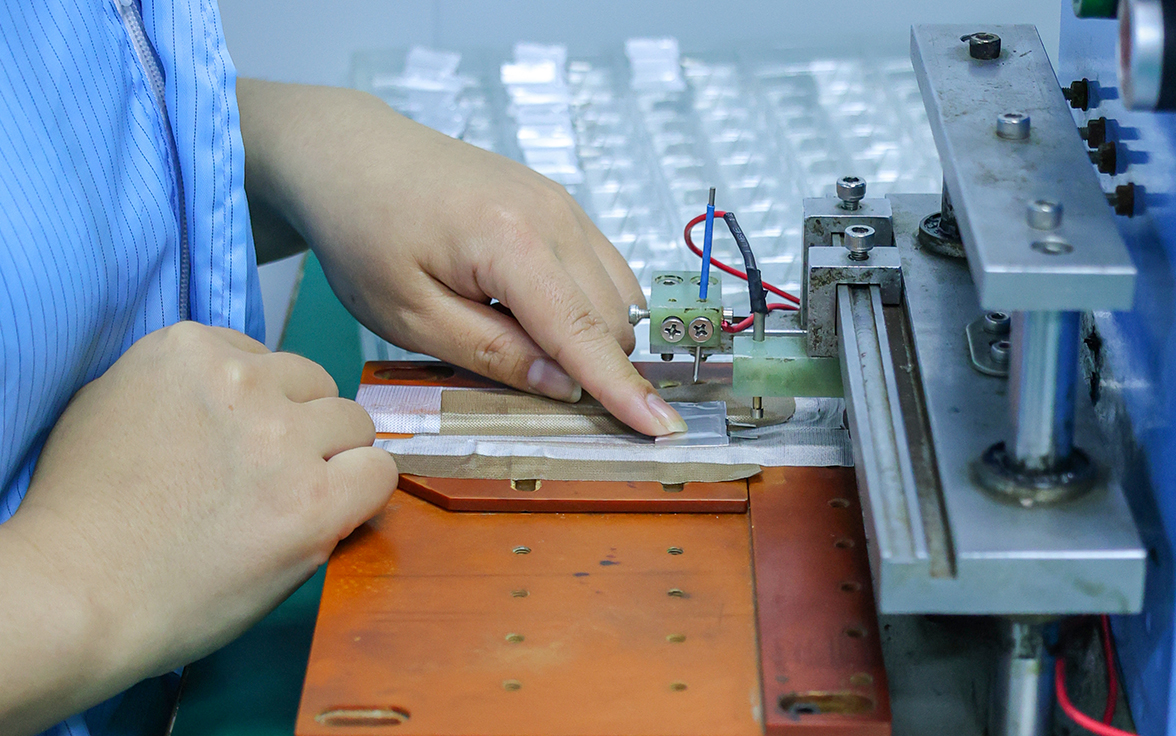
Cell geometry matters. Larger tabs, structured winding and carefully designed current collectors reduce resistance hotspots and spread heat evenly across the cell. These mechanical choices protect performance during sustained high-discharge use and prevent localized hotspots that could shorten service life.
Managing the Heat
Fast currents generate heat, so thermal management is no longer an afterthought. Effective pack-level cooling and pressure relief keep surface temperatures in check, preserving both safety and cycle life under demanding workloads. In high-rate design, the cell and its cooling system are engineered as one tightly coupled package.