


Ultra-thin lithium polymer cells enable slim wearables and compact devices, but keeping thickness consistent while protecting reliability is a specialized packaging challenge.
The Challenge of Thickness Control
In thin cells, even a small variation in electrode coating density or packaging alignment changes final thickness and can create swelling or poor fit in the end product. Thickness must be held tightly across a batch, because a wearable or slim device is designed around a fixed internal enclosure. We control coating uniformity, winding or stacking tension, and lamination pressure to keep thickness within a narrow target.
Packaging Process Essentials
Pouch packaging uses aluminum-laminated film that must be formed, sealed and trimmed precisely. Edge width, sealing temperature and pressure are controlled to prevent moisture ingress and to avoid seal defects that could shorten life. For shaped and ultra-thin designs, we also optimize tab positioning so the sealed edge stays flexible and durable under bending.
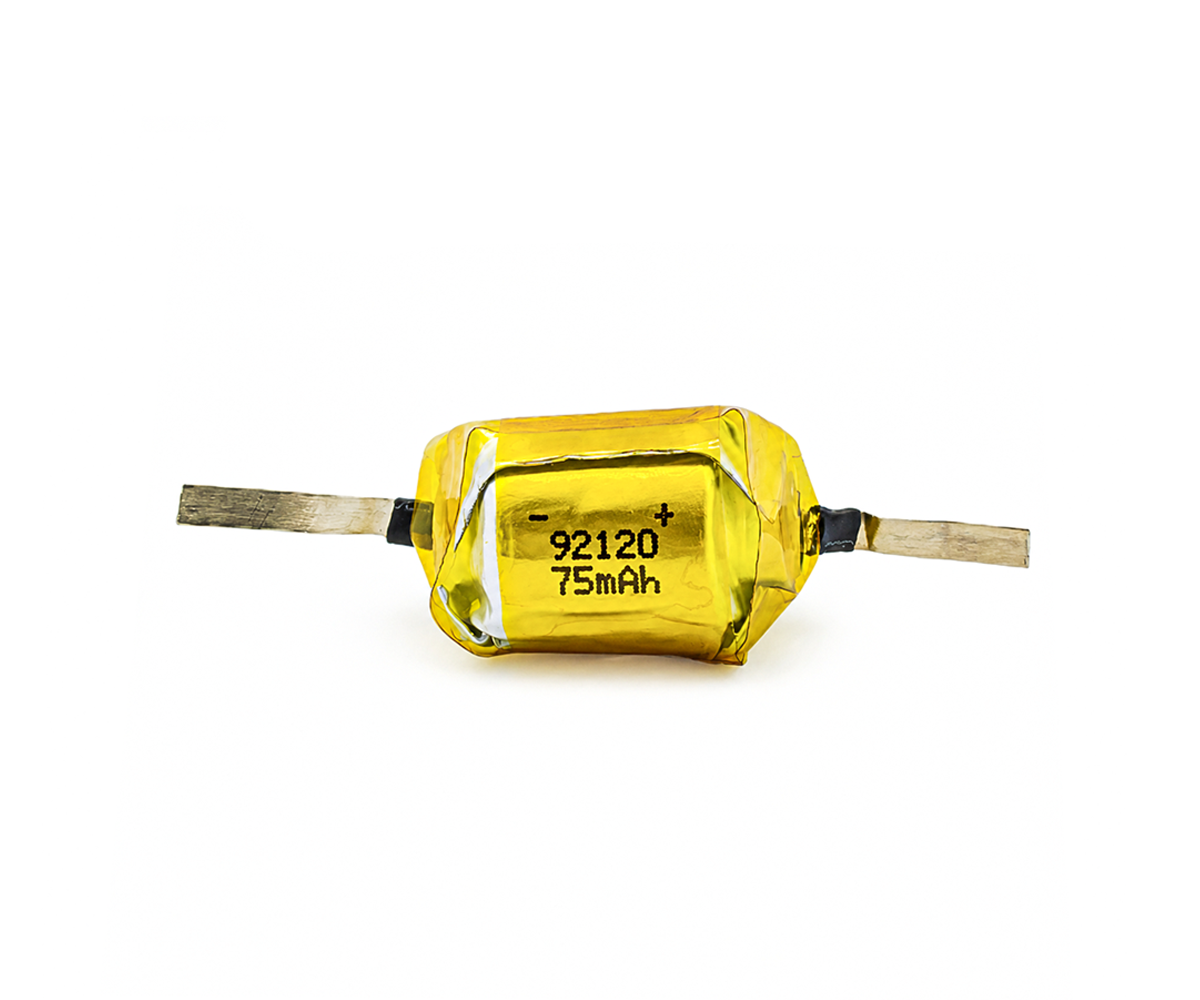
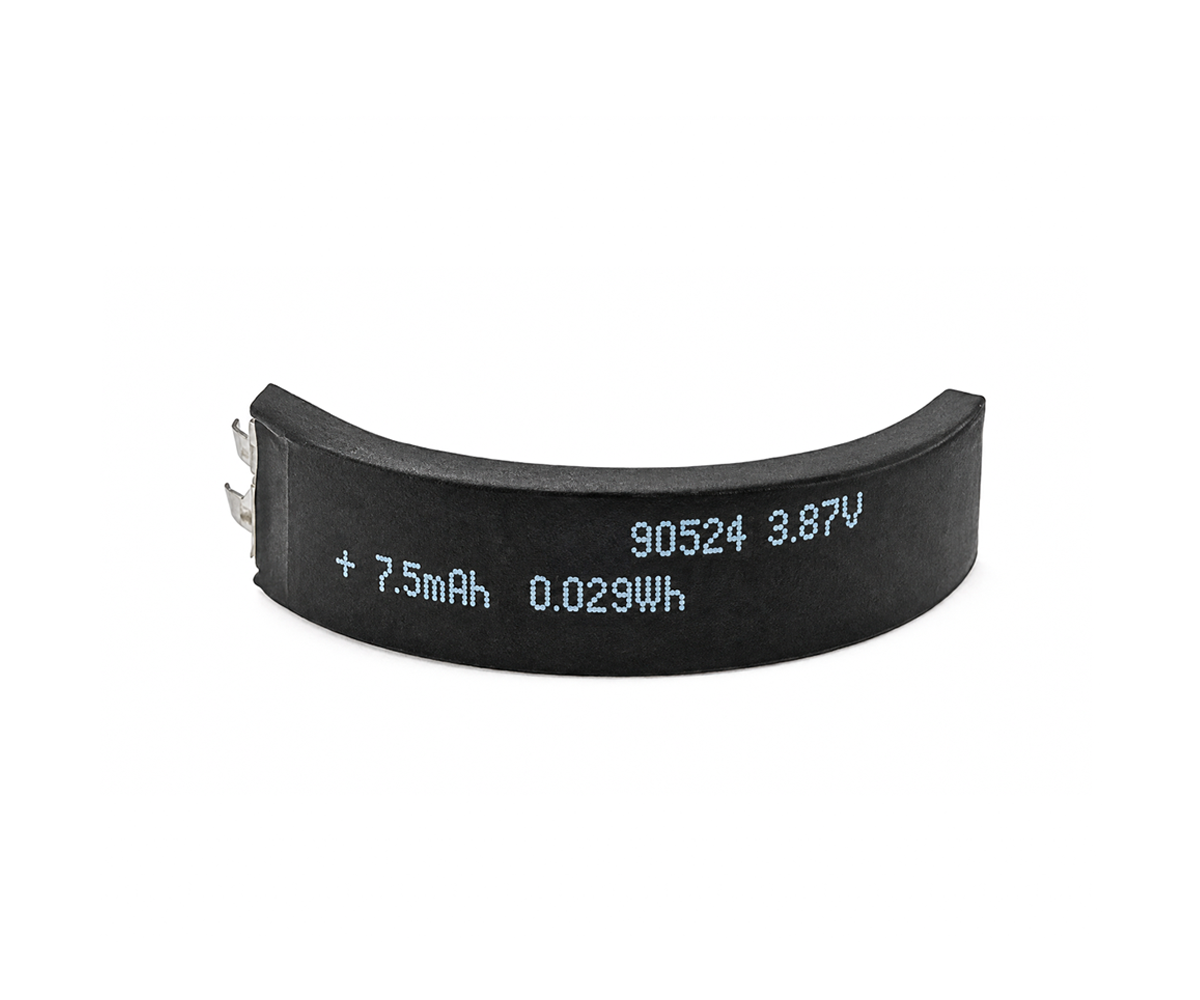
Protecting Reliability
After packaging, cells undergo thickness inspection, open-circuit voltage checks and chamber testing to confirm that the thin form factor does not come at the cost of safety. The result is a slim, lightweight cell that fits demanding enclosures while maintaining the reliability expected of a custom lithium battery solution.