

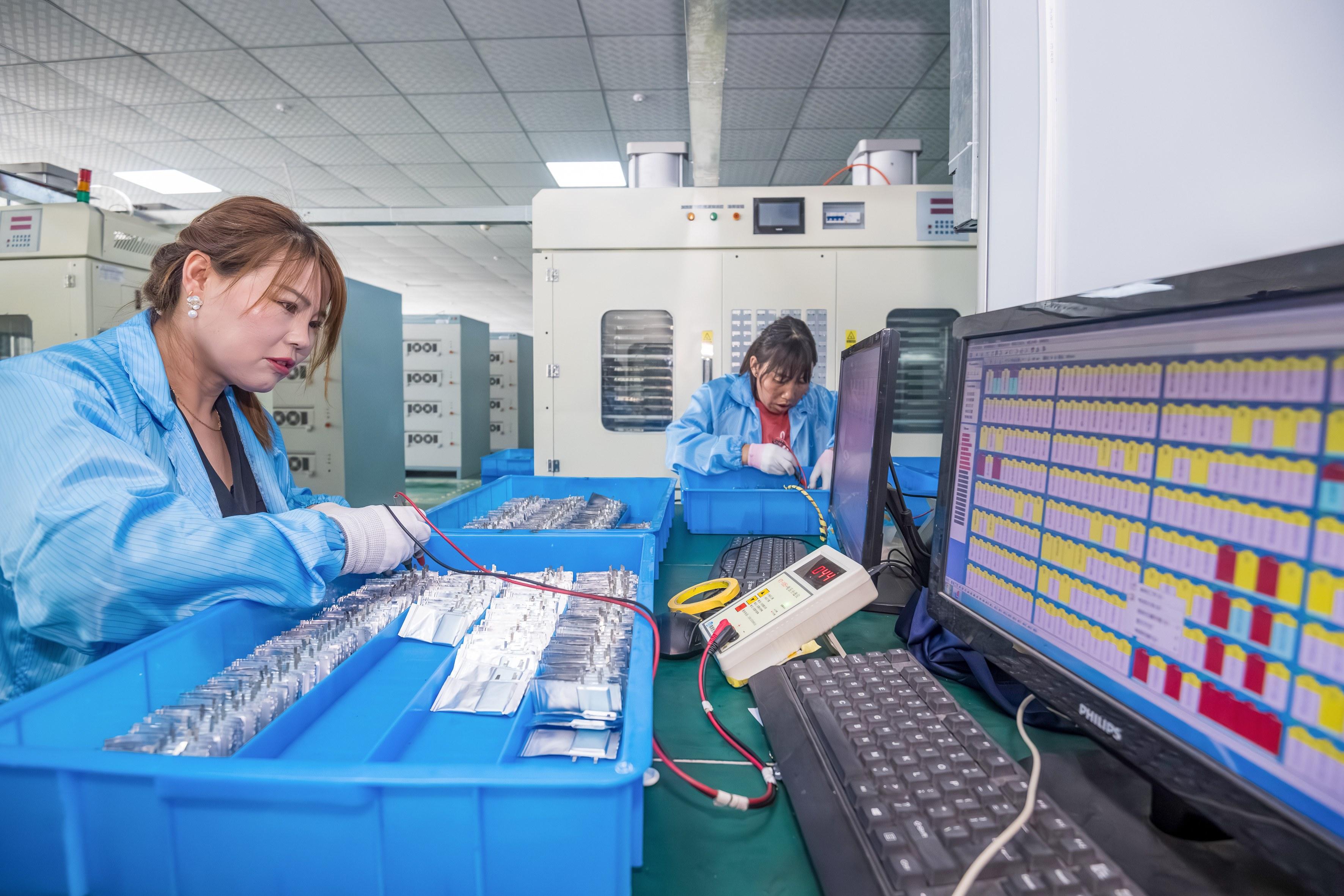
In medical equipment, a battery failure is never an inconvenience; SUNHE ENERGY engineers packs around reliability, consistency and full traceability.
Medical devices sit close to patients, and the battery inside them is expected to perform predictably, cycle after cycle, with no surprises. For SUNHE ENERGY, designing for medical applications means treating reliability as a baseline requirement rather than a bonus feature, and building every process around it.
Why Medical Batteries Demand the Highest Reliability
Patient monitors, diagnostic instruments, handheld treatment devices and portable care tools all depend on their power source at the moment it matters most. A pack that drifts in capacity, swells prematurely or loses its protection behavior can compromise the whole device. We respond by tightening incoming material control, sorting cells by capacity and internal resistance, and running every pack through a defined set of functional and safety checks before shipment.
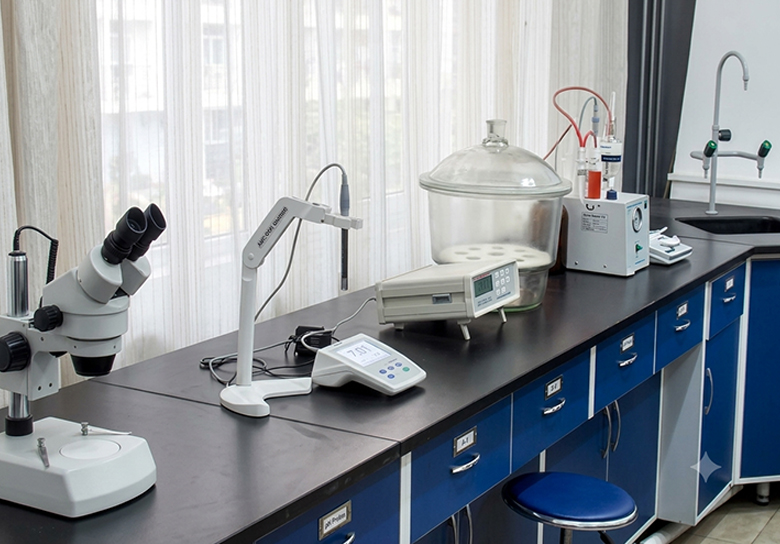
Engineering Consistency and Traceability
Consistency between packs is as important as peak performance. Our production records link each batch to specific cell lots, protection board revisions and assembly parameters, so that any field observation can be traced back to its manufacturing origin. We also support long-term component stability, because medical products often remain in service for years and need spare packs that match the original build.
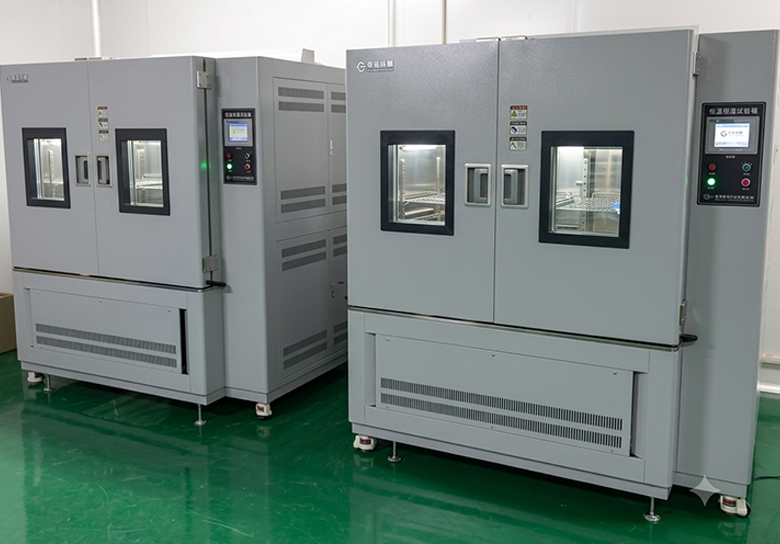
From Prototype to Series Supply
Medical development cycles are long and iterative. We work with device teams from the earliest concept, validating candidate cells and pack architectures on the bench, then freeze the design before ramp-up. Through the entire program we provide UN38.3-tested packs and technical documentation that help customers meet their own regulatory obligations, without cutting corners on the safety record the application deserves.