

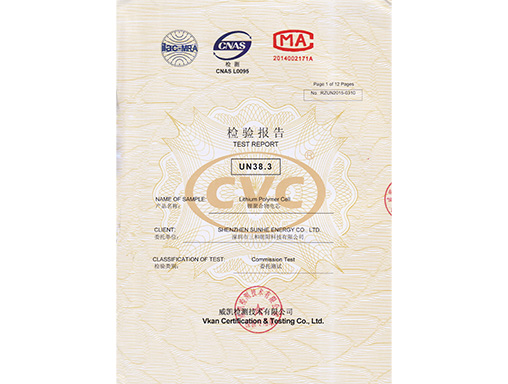
A reliable battery pack depends as much on its protection board and welding quality as on the cells themselves.
The Role of the Protection Board
The protection board monitors voltage, current and temperature, cutting off the circuit during overcharge, over-discharge, over-current or short-circuit conditions. We select MOSFETs, protection ICs and current-sensing components according to each pack's continuous and peak current requirements, and match the balance function to the cell chemistry and series configuration. A properly sized protection board safeguards the end device while preserving usable capacity and cycle life.
Why Spot Welding Consistency Matters
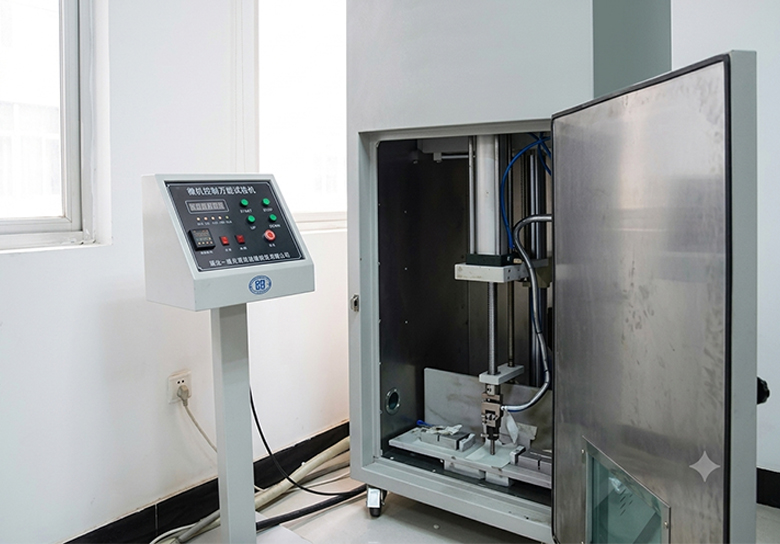
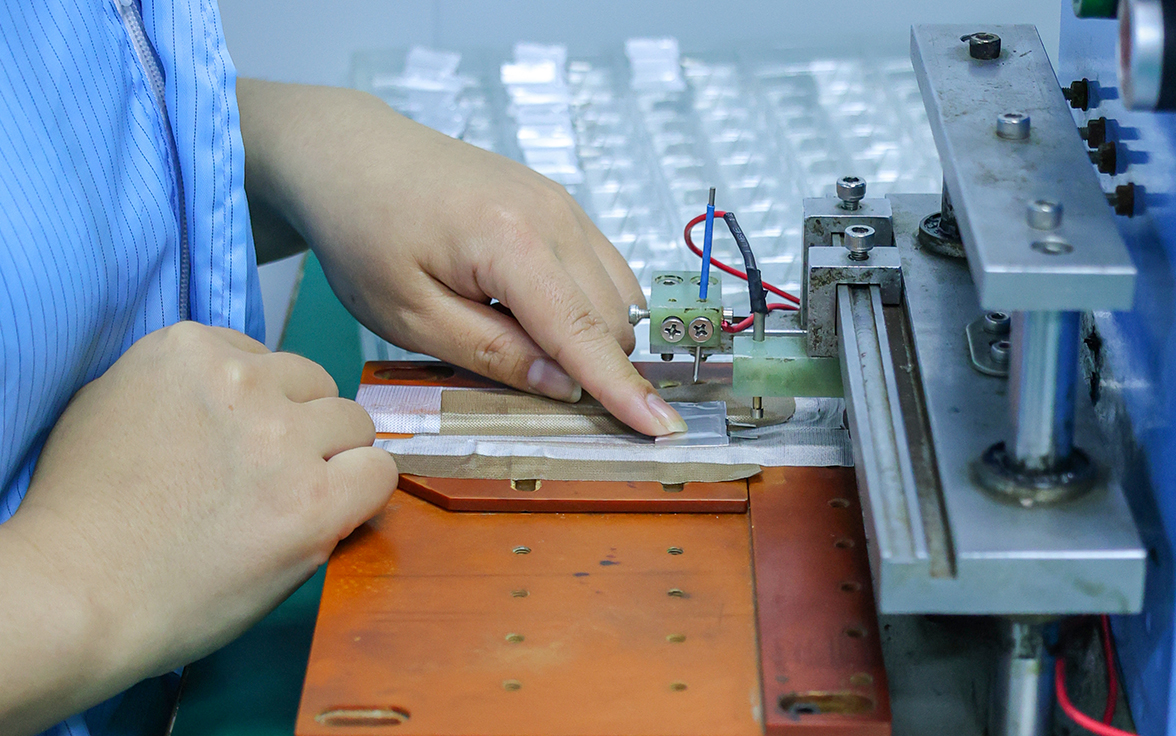
Cells connect to the protection board and output tabs through nickel or nickel-plated copper strips joined by resistance spot welding. Welding current, pressure and dwell time directly determine joint resistance and mechanical strength. Inconsistent joints raise internal resistance, generate heat under load and weaken pack consistency cell by cell. We therefore control welding parameters, verify nugget formation through sample pull-tests, and use online monitoring to keep joint resistance within a tight window.
Our Quality Control Approach
Every pack design is reviewed jointly by electrical and process engineers before tooling. After welding, packs undergo voltage and resistance screening, insulation testing and a charge-discharge run-in before final assembly. This layered approach helps us deliver consistent, safe packs for power tools, smart devices and industrial equipment.